

What is a Borax Granular Material Pneumatic Conveying Line? And What Are Its Design Principles?
For industries dealing with borax granular materials, efficient and reliable material handling is crucial. A borax granular material pneumatic conveying line is a specialized system designed to transport borax particles through the air, offering a solution that minimizes dust, reduces material loss, and enhances overall operational efficiency. This article explores the concept of such a system and delves into its fundamental design principles, providing insights into how these systems are engineered to meet the unique demands of borax processing.
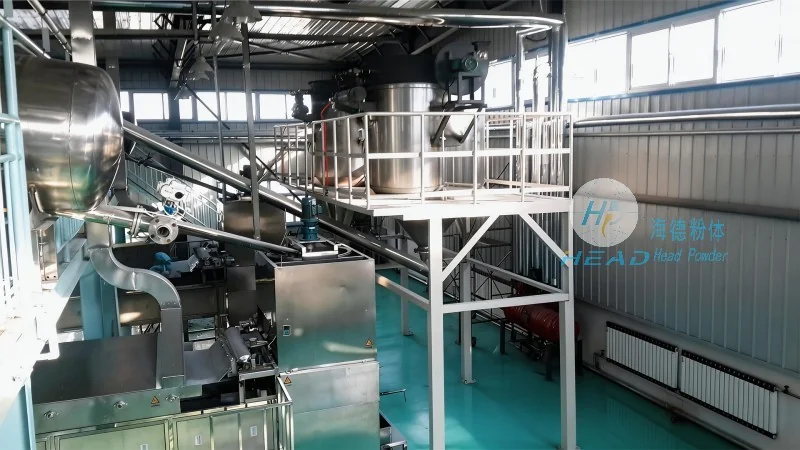
Understanding Borax Granular Material Pneumatic Conveying Lines
A borax granular material pneumatic conveying line is a type of pneumatic conveying system specifically tailored for handling borax granules. Unlike traditional bulk material handling methods like belt conveyors or bucket elevators, pneumatic conveying uses air to move the material through a pipeline. This method is particularly advantageous for borax, as it is a fine to medium-sized granular material that can be prone to dust and requires careful handling to maintain product quality and prevent contamination.
The system typically consists of several key components, including a material hopper, a feeder, a conveying line (often with multiple sections), and a receiver or discharge point. The material is first loaded into the hopper, where it is then fed into the conveying line via a feeder. The feeder controls the flow rate of the material, ensuring a consistent and controlled supply to the system. The conveying line itself is designed to handle the air flow and material transport, often incorporating features like bends, expansions, and filters to maintain efficiency and prevent blockages.
Key Design Principles for Borax Pneumatic Conveying Systems
The design of a borax granular material pneumatic conveying line is governed by several critical principles that ensure optimal performance and reliability. These principles are tailored to the physical and chemical properties of borax, as well as the operational requirements of the processing plant.
First, the system must address the issue of material flow and air distribution. Borax granules have a specific particle size distribution and density, which affects how they move through the air. The design must ensure that the air velocity is sufficient to lift and transport the particles without causing excessive wear on the system components. This often involves calculating the appropriate air velocity based on the material's properties, such as its bulk density and particle size.
Second, the system must consider the need for dust control and filtration. Borax is a fine material that can generate significant dust during handling. The design incorporates dust collection and filtration systems to capture and remove airborne particles, ensuring compliance with environmental regulations and maintaining a safe working environment. These systems may include cyclone separators, bag filters, or electrostatic precipitators, depending on the scale and requirements of the operation.
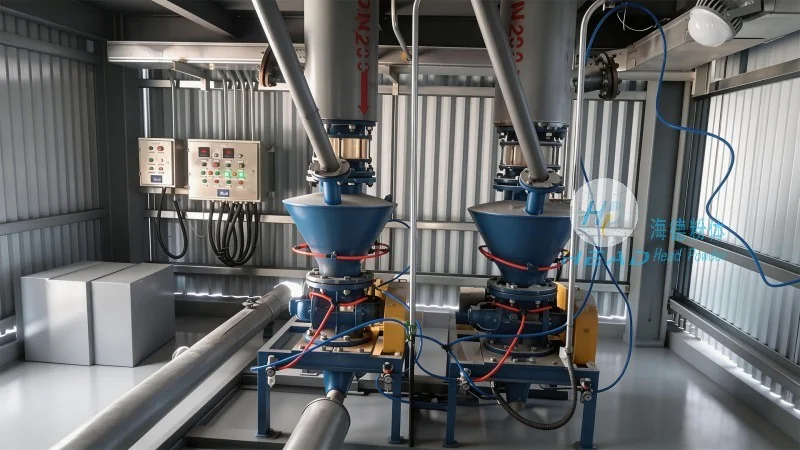
Third, the system must account for the potential for material buildup and blockages. Borax granules can sometimes stick to the walls of the conveying line or form agglomerates, leading to blockages. The design includes features like air knives, vibrators, or special pipe materials to prevent buildup and ensure smooth material flow. Additionally, the system may incorporate cleaning mechanisms to remove any accumulated material, maintaining the integrity of the conveying process.
Fourth, the system must prioritize energy efficiency and operational cost. Borax processing plants operate on a continuous basis, and the cost of energy consumption can be significant. The design aims to minimize energy usage by optimizing air velocity, reducing pressure drops, and using efficient components. This may involve selecting the right type of blower or compressor, designing the conveying line with minimal bends and expansions, and implementing energy-saving controls.
Components and Their Functions in a Borax Pneumatic Conveying Line
Each component of a borax granular material pneumatic conveying line plays a vital role in the overall system's performance. Understanding these components helps in appreciating the complexity and engineering involved in such systems.
1. **Material Hopper**: The hopper is the initial storage container for the borax granules. It is designed to hold a sufficient quantity of material to ensure a continuous supply to the system. The hopper may include a level indicator to monitor the material level and a discharge valve to control the flow of material into the feeder.
2. **Feeder**: The feeder is responsible for controlling the flow rate of the borax granules into the conveying line. There are several types of feeders used in pneumatic conveying systems, such as rotary valves, screw feeders, or vibratory feeders. The choice of feeder depends on the material's properties and the required flow rate. For borax, a rotary valve or a screw feeder is commonly used to provide a consistent and controlled feed.
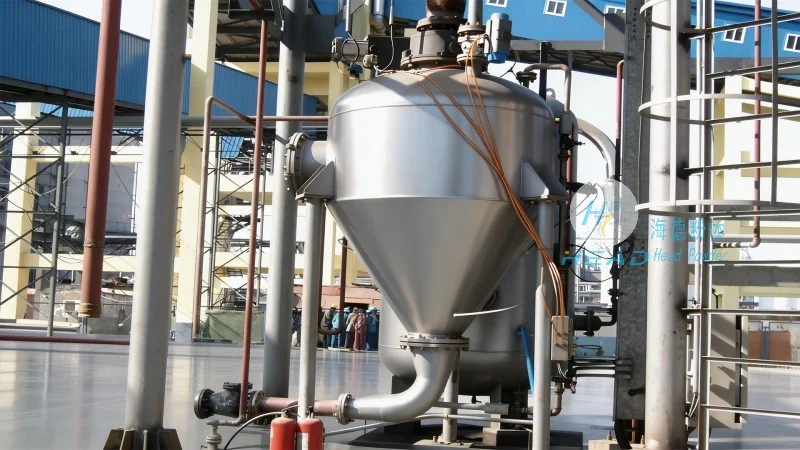
3. **Conveying Line**: The conveying line is the main pipeline through which the borax granules and air travel. It is typically made of materials like stainless steel or plastic, which are resistant to corrosion and wear from the borax particles. The line may include sections with different diameters to adjust the air velocity and pressure. Bends and expansions are incorporated to guide the material and air flow, and they are designed to minimize pressure losses and prevent material buildup.
4. **Receiver/Discharge Point**: The receiver is the final destination where the borax granules are discharged from the conveying line. It is designed to collect the material and transfer it to the next processing stage. The receiver may include a hopper or a storage tank, and it may also have a discharge valve to control the flow of material out of the system.
5. **Dust Collection and Filtration System**: As mentioned earlier, this system is crucial for controlling dust and maintaining a clean environment. It typically includes a cyclone separator to separate larger particles from the air stream, followed by a bag filter or other filtration device to capture fine particles. The collected dust is then disposed of or recycled, depending on the plant's requirements.
6. **Blower or Compressor**: The blower or compressor provides the necessary air pressure and volume to move the borax granules through the conveying line. The choice of equipment depends on the system's capacity and the required air velocity. High-pressure blowers are often used for long-distance or high-capacity conveying, while low-pressure systems may use centrifugal fans.
Advantages of Using a Borax Granular Material Pneumatic Conveying Line
Implementing a pneumatic conveying system for borax granular materials offers several advantages over traditional handling methods. These benefits contribute to improved operational efficiency, product quality, and overall cost-effectiveness.
First, pneumatic conveying minimizes material loss and contamination. Unlike belt conveyors, which can cause material spillage and exposure to the environment, pneumatic systems keep the material enclosed within the pipeline, reducing the risk of dust and contamination. This is particularly important for borax, which is often used in applications where purity is critical, such as in the production of detergents, glass, or pharmaceuticals.
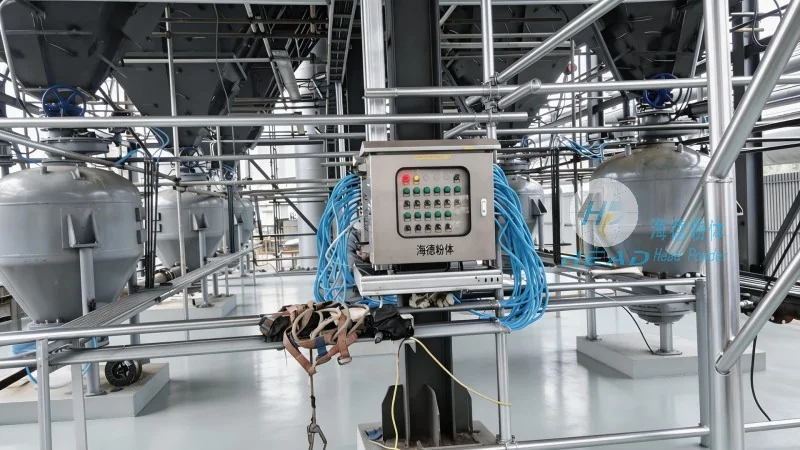
Second, the system reduces labor costs and improves safety. By automating the material handling process, the need for manual handling of borax granules is minimized, reducing the risk of accidents and exposure to dust. The enclosed system also protects workers from inhaling fine particles, enhancing workplace safety.
Third, pneumatic conveying offers flexibility in material handling. The system can be easily integrated with other processing equipment, allowing for seamless material transfer from one stage to another. It can also handle varying material flow rates and can be adjusted to accommodate changes in production demand.
Fourth, the system improves product quality and consistency. By maintaining a controlled environment and preventing material degradation, pneumatic conveying ensures that the borax granules remain in optimal condition throughout the handling process. This leads to consistent product quality, which is essential for meeting customer specifications and regulatory requirements.
Fifth, the system can reduce energy consumption and operational costs over time. While the initial investment may be higher than traditional methods, the long-term savings from reduced material loss, lower labor costs, and improved efficiency make it a cost-effective solution for borax processing plants.
Conclusion
A borax granular material pneumatic conveying line is a sophisticated and efficient system designed to handle borax particles with precision and care. The design principles, components, and advantages of such a system are tailored to the unique properties of borax, ensuring optimal performance and reliability. By understanding the fundamentals of these systems, processing plants can make informed decisions about implementing pneumatic conveying as part of their material handling strategy, ultimately enhancing operational efficiency and product quality.