

What is a Lithium Oxide Material Pneumatic Conveying System? And What Are Its Design Principles?
For industries dealing with lithium oxide, efficient and reliable material handling is crucial. A lithium oxide material pneumatic conveying system offers a solution that ensures safe, efficient transport of this valuable material. This article explores the concept of such a system and delves into its fundamental design principles, highlighting the technology's role in modern material processing.
Lithium Oxide Material Pneumatic Conveying System: An Overview
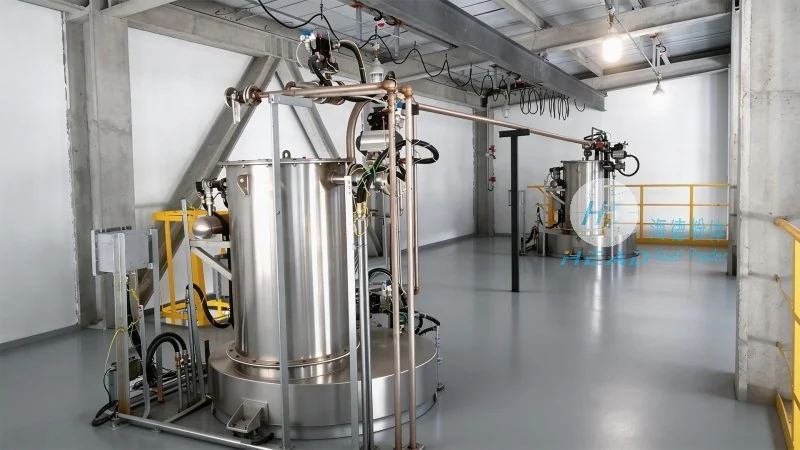
A lithium oxide material pneumatic conveying system is a specialized equipment setup designed to transport lithium oxide powder or granules through an enclosed pipeline using air or other gas as the conveying medium. This method is widely adopted in the chemical and battery industries due to its ability to handle fine powders like lithium oxide without the need for mechanical components that might cause contamination or material degradation. The system typically consists of a feeding unit, a conveying pipeline, a separation or collection unit, and a control system to regulate the flow and pressure of the conveying medium.
Design Principles of the Pneumatic Conveying System
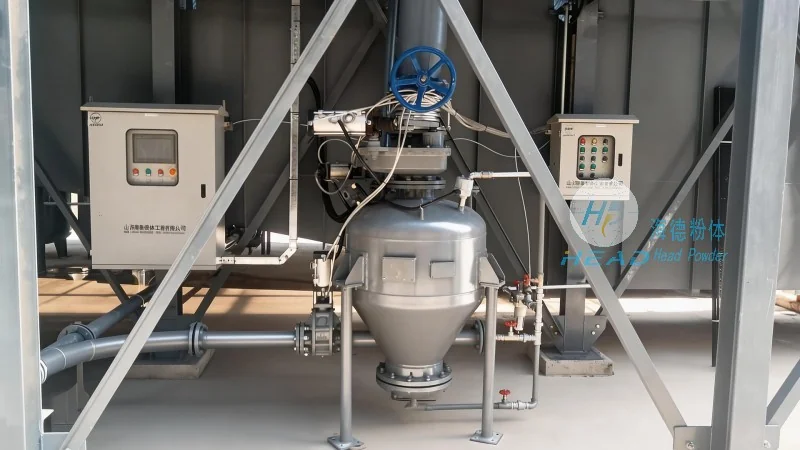
The design of a lithium oxide material pneumatic conveying system is based on several key principles to ensure optimal performance and safety. First, the system must maintain a consistent air flow rate and pressure to achieve reliable material transport. This involves selecting appropriate air compressors or blower systems that can generate sufficient pressure to overcome the resistance in the pipeline and lift the lithium oxide particles. Second, the pipeline design is critical; it must be constructed from materials that are compatible with lithium oxide, such as stainless steel or specialized plastics, to prevent chemical reactions or corrosion. The pipeline layout, including bends and vertical sections, is carefully engineered to minimize pressure drop and avoid material settling or blockages. Third, the feeding mechanism is designed to introduce lithium oxide into the pipeline in a controlled manner, often using a rotary valve or a pressure feeder, to ensure a steady flow without causing agglomeration or dust generation. Finally, the system incorporates safety features, including pressure relief valves and dust collection systems, to protect against overpressure and to maintain a clean working environment.
Key Components and Their Functions
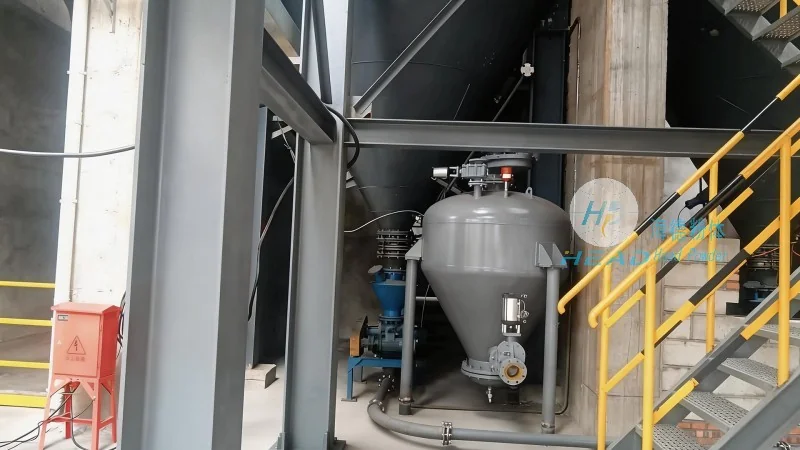
Several key components make up a lithium oxide material pneumatic conveying system, each playing a vital role in the overall operation. The air compressor or blower is the heart of the system, providing the necessary pressure and airflow to move the material. It is typically selected based on the required conveying capacity and the distance the material needs to travel. The conveying pipeline is made of high-quality materials, such as stainless steel or PTFE-lined pipes, to ensure durability and resistance to the chemical properties of lithium oxide. The pipeline includes various fittings like elbows, tees, and reducers, which are designed to maintain smooth flow and minimize pressure losses. The separation or collection unit, often a cyclone separator or a bag filter, is used to separate the conveying air from the lithium oxide particles at the end of the pipeline. This unit ensures that the material is deposited accurately and that the air is cleaned before being released back into the environment. The control system, which may include sensors and a programmable logic controller (PLC), monitors and adjusts the system parameters in real-time, ensuring stable operation and preventing issues like overpressure or material blockages.
Advantages of Using This System for Lithium Oxide Handling
Implementing a lithium oxide material pneumatic conveying system offers several advantages over traditional mechanical conveying methods. Firstly, it provides a dust-free and clean operation, which is essential for handling lithium oxide, a material that can be hazardous if inhaled. The enclosed pipeline design prevents dust from escaping into the workplace, reducing health risks and improving air quality. Secondly, the system is highly efficient in terms of energy consumption and material transport speed. By using air as the conveying medium, the system can move large quantities of lithium oxide over long distances with minimal energy input compared to mechanical systems like conveyors or elevators. Thirdly, the system is flexible and can be easily integrated into existing production lines. It can be adapted to handle different types of lithium oxide products, such as different particle sizes or compositions, by adjusting the system parameters. Fourthly, the system reduces labor costs and operational downtime. With automated feeding and control systems, the need for manual handling is minimized, and the risk of material blockages or system failures is reduced, leading to higher productivity and lower maintenance costs.
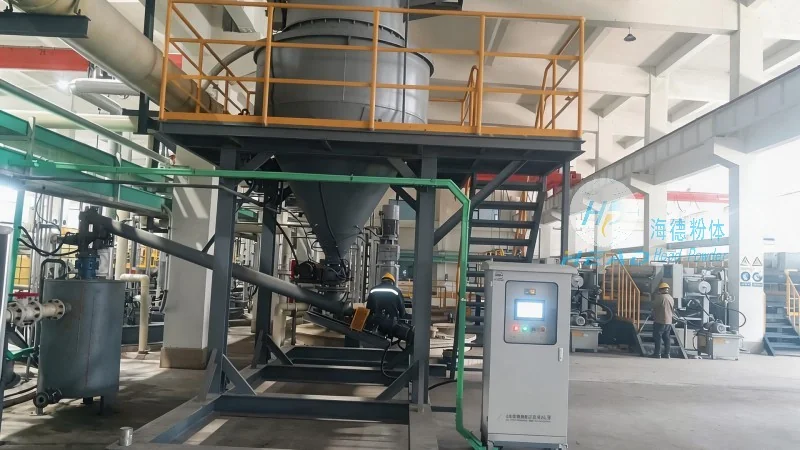
Shandong HeadPowder Engineering Co., Ltd., a leading manufacturer in the field, specializes in designing and manufacturing high-quality lithium oxide material pneumatic conveying systems. With years of experience and a commitment to innovation, the company provides tailored solutions that meet the specific needs of its clients. HeadPowder's systems are engineered to ensure reliability, efficiency, and safety, making them ideal for industries that require precise and consistent handling of lithium oxide. The company's headquarters is located in Shandong, China, where it continues to develop advanced material handling technologies to support the growing demand for lithium oxide in the battery and chemical sectors.