

What is a Hexanedioic Acid Material Pneumatic Conveying Line? And What Are Its Design Principles?
Hexanedioic acid, commonly known as adipic acid, is a critical chemical compound widely used in the production of nylon and other polymers. The efficient and safe transportation of this material from production sites to processing facilities is essential for maintaining operational efficiency and product quality. A pneumatic conveying line specifically designed for handling hexanedioic acid offers a solution that addresses the unique challenges associated with this material's properties, such as its granular or powdered form, and the need for contamination-free handling. This article explores what a hexanedioic acid material pneumatic conveying line is and the fundamental design principles that govern its operation.
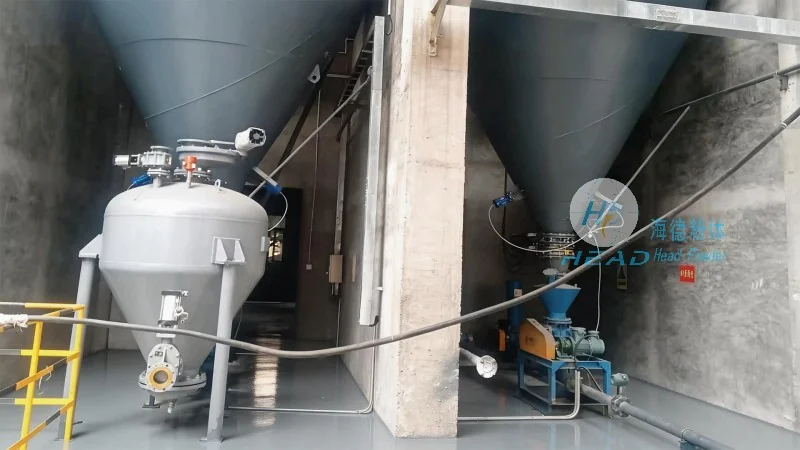
About Shandong HeadPowder Engineering Co., Ltd.
HeadPowder, a leading engineering firm based in Shandong, China, specializes in the design, manufacturing, and installation of advanced material handling systems. With a strong focus on industrial applications, the company has developed expertise in creating customized pneumatic conveying solutions tailored to the specific requirements of various chemical and material processing industries. HeadPowder's commitment to quality, safety, and innovation ensures that their systems meet the highest standards for reliability and performance.
Design Principles of Hexanedioic Acid Pneumatic Conveying Lines
The design of a hexanedioic acid material pneumatic conveying line is based on several key principles that ensure optimal performance, safety, and efficiency. The primary design considerations include the material's physical properties, such as particle size, density, and flow characteristics, as well as the system's operational parameters like pressure, flow rate, and distance. A well-designed system must balance these factors to achieve consistent and reliable material transport without causing degradation or contamination.
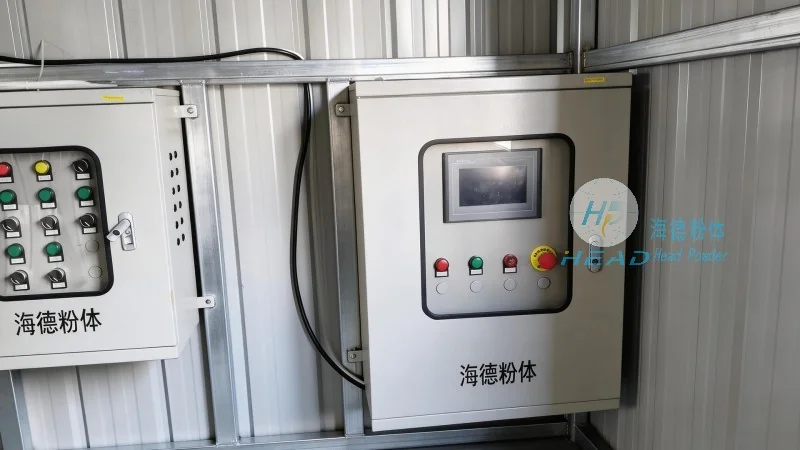
One of the core design principles is the selection of appropriate air velocity and pressure. The air velocity must be sufficient to lift and transport the hexanedioic acid particles through the conveying line while minimizing particle degradation and system wear. The pressure levels are typically determined by the conveying distance and the required flow rate, with higher pressures used for longer distances or larger particle sizes. The system may incorporate various components, including feeders, ducts, filters, and control valves, each carefully selected to match the material's characteristics and the operational needs.
Another critical aspect is the prevention of material buildup and blockages. Hexanedioic acid, like many fine powders, can exhibit cohesive properties that lead to agglomeration or blockages in the conveying line. Designers incorporate features such as pulse-jet cleaning systems, rotary valves, and venturi sections to maintain smooth flow and prevent clogging. Additionally, the use of corrosion-resistant materials, such as stainless steel or specialized coatings, is essential to withstand the acidic nature of the material and ensure long-term durability.
Energy efficiency is also a key consideration in the design of these systems. By optimizing air velocity and pressure, engineers can reduce energy consumption while maintaining the required conveying performance. The integration of energy recovery systems, such as pressure let-down or vacuum recovery, can further enhance efficiency. Furthermore, the use of variable frequency drives (VFDs) allows for precise control of the system's speed and power consumption, adapting to varying material flow rates and operational demands.
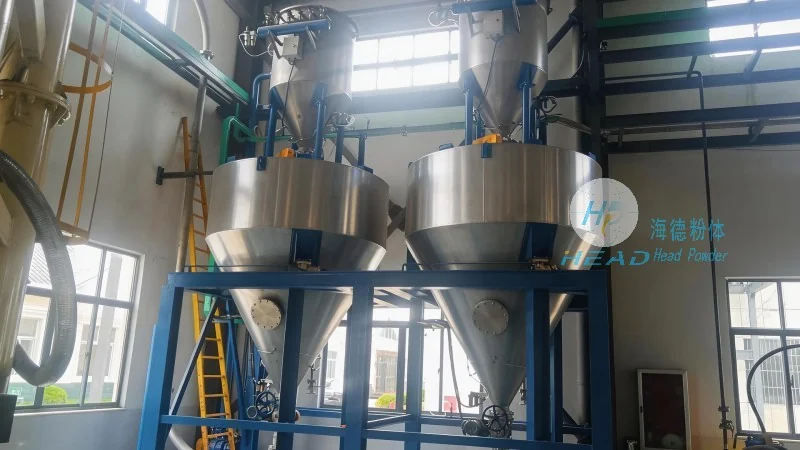
Key Features and Benefits
A hexanedioic acid material pneumatic conveying line offers several advantages over traditional mechanical conveying methods. These include reduced material handling time, improved product quality by minimizing exposure to air and moisture, and enhanced safety by eliminating the need for manual handling of powders. The system's ability to handle fine powders without segregation or degradation makes it ideal for applications where product purity is paramount. Additionally, the compact design of pneumatic conveying systems allows for easier integration into existing production facilities, reducing installation time and costs.
Conclusion
Hexanedioic acid material pneumatic conveying lines are sophisticated systems that combine engineering expertise with advanced technology to address the unique challenges of transporting this critical chemical. The design principles, including proper air velocity, pressure control, and material handling considerations, are crucial for ensuring the system's reliability and efficiency. Shandong HeadPowder Engineering Co., Ltd. leverages its experience and innovation to provide customized solutions that meet the specific needs of industries relying on hexanedioic acid, ensuring safe, efficient, and high-quality material transport. With a strong presence in Shandong, China, HeadPowder continues to be a trusted partner in the development of advanced material handling systems for the chemical and polymer industries.