

Flaky Graphite Material Pneumatic Conveying System: What It Is and Its Design Principles
Flaky graphite is a highly valued material in various industrial applications, including lubricants, refractory materials, and battery anodes. The efficient and reliable transportation of flaky graphite from production sites to processing facilities is crucial for maintaining production efficiency and product quality. A flaky graphite material pneumatic conveying system is a specialized solution designed to handle the unique characteristics of flaky graphite, ensuring safe and effective material transport. This article explores what such a system entails and the fundamental design principles that govern its operation.
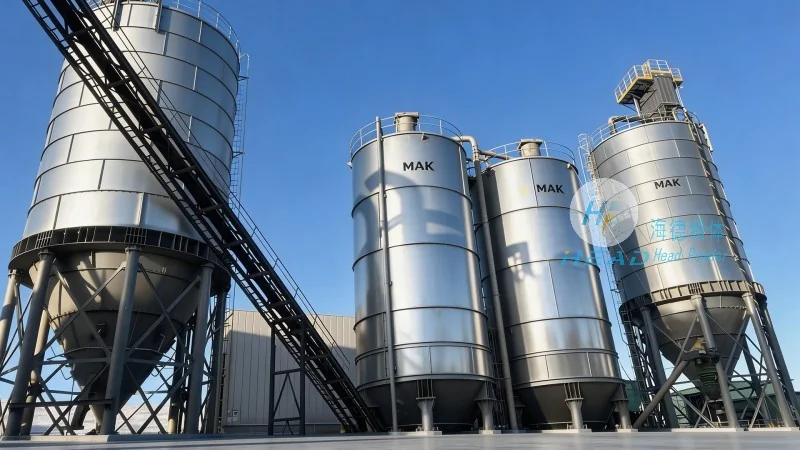
Understanding Flaky Graphite Material Pneumatic Conveying Systems
A flaky graphite material pneumatic conveying system is a type of pneumatic conveying equipment that uses compressed air or other gas to transport flaky graphite particles through a pipeline. Unlike traditional mechanical conveyors, which rely on mechanical components like belts or screws, pneumatic systems utilize the kinetic energy of the gas to move the material. This method is particularly advantageous for handling fine or friable materials like flaky graphite, which can be easily damaged by mechanical friction. The system typically consists of several key components, including a material feed hopper, a gas source (such as a blower or compressor), a conveying line, and a material separator or receiver.
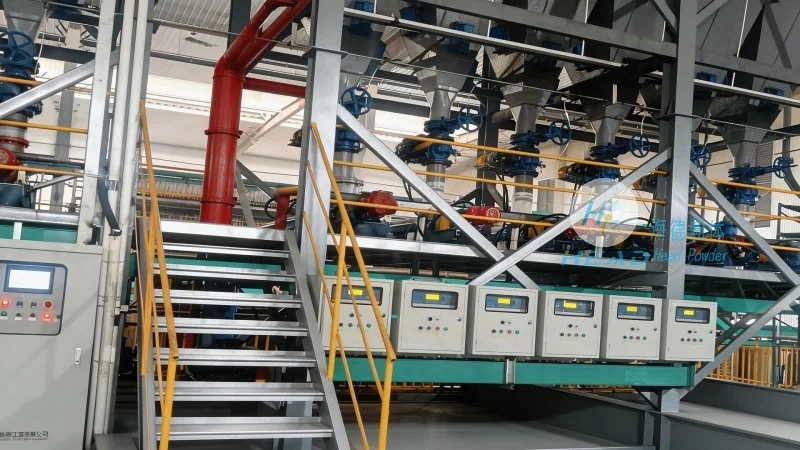
Core Design Principles of Pneumatic Conveying Systems
The design of a flaky graphite material pneumatic conveying system is based on several critical principles to ensure optimal performance. The first principle is the selection of the appropriate gas velocity, which must be high enough to keep the material suspended in the gas stream but low enough to prevent excessive wear on the system components. For flaky graphite, the gas velocity is often determined by the material's particle size and density. The second principle is the system's pressure and flow rate, which are tailored to the required conveying distance and material throughput. The design must also account for the material's flow characteristics, such as its angle of repose and cohesive properties, to prevent blockages or uneven flow within the pipeline.
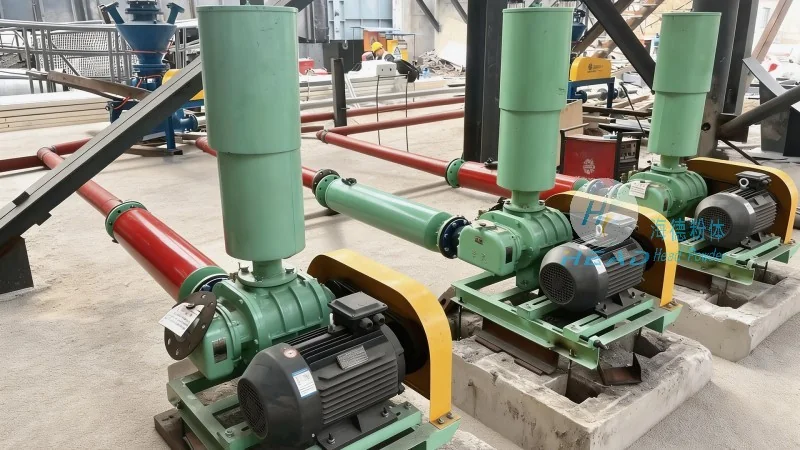
Key Components and Their Functions in the System
Each component of a flaky graphite material pneumatic conveying system plays a vital role in the overall operation. The material feed hopper is designed to store and feed the flaky graphite into the system at a controlled rate, minimizing the risk of material bridging or clogging. The gas source, usually a high-efficiency blower or compressor, provides the necessary pressure and volume of air to move the material through the conveying line. The conveying line itself is typically made of corrosion-resistant materials, such as stainless steel or polyethylene, to withstand the abrasive nature of flaky graphite and the effects of the compressed air. The material separator or receiver is responsible for separating the graphite from the gas stream and collecting it in a storage bin or processing vessel. This component may include cyclone separators, filters, or other devices to ensure that the material is recovered efficiently and without loss.
Design Considerations for Optimal Performance
When designing a flaky graphite material pneumatic conveying system, several factors must be carefully considered to achieve the best results. The first consideration is the material's physical properties, including its particle size distribution, density, and moisture content. These factors directly impact the system's gas velocity and pressure requirements. The second consideration is the conveying distance and elevation change, as these affect the energy consumption and system configuration. For example, longer or higher conveying distances may require additional boosters or larger-diameter pipelines to maintain the material's suspension. The third consideration is the required material throughput, which determines the system's capacity and the size of the components, such as the feed hopper and gas source. Additionally, the system must be designed to handle variations in material feed, such as fluctuations in production rates, to maintain consistent performance.
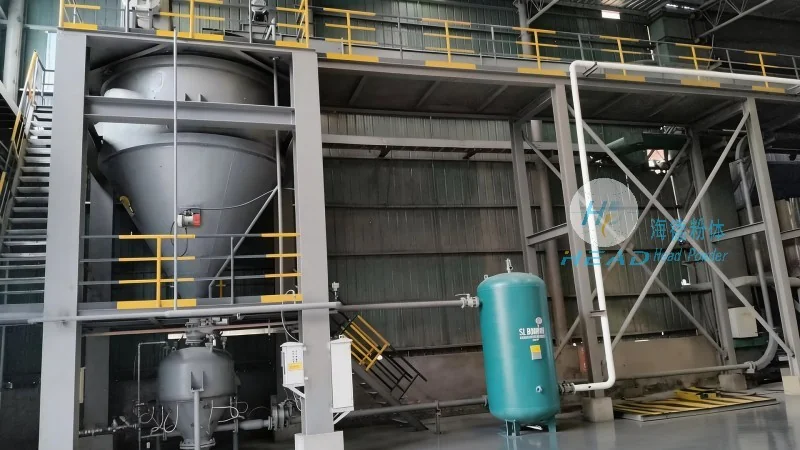
HeadPowder's Expertise in Flaky Graphite Pneumatic Conveying Systems
Shandong HeadPowder Engineering Co., Ltd., commonly known as HeadPowder, is a leading manufacturer of specialized material handling equipment, including flaky graphite material pneumatic conveying systems. With years of experience in the industry, HeadPowder has developed a deep understanding of the unique challenges associated with handling flaky graphite and has refined its design and manufacturing processes to deliver high-quality, reliable systems. The company's engineers work closely with clients to assess their specific needs, from material characteristics to production requirements, and design customized solutions that meet or exceed industry standards. HeadPowder's systems are known for their durability, efficiency, and ease of maintenance, making them a preferred choice for many graphite processing facilities in China and beyond. The company's headquarters is located in Shandong, China, where it continues to innovate and improve its products to meet the evolving demands of the industry.