

What is a PVC Resin Material Pneumatic Conveying Line? What is the Design Principle?
When it comes to handling PVC resin in industrial settings, efficient and reliable material transport is crucial for maintaining production efficiency and product quality. A PVC resin material pneumatic conveying line offers a sophisticated solution to this challenge, leveraging air pressure to move resin particles from one location to another. This article explores the fundamental aspects of such systems, focusing on their design principles and the technical considerations that ensure optimal performance.
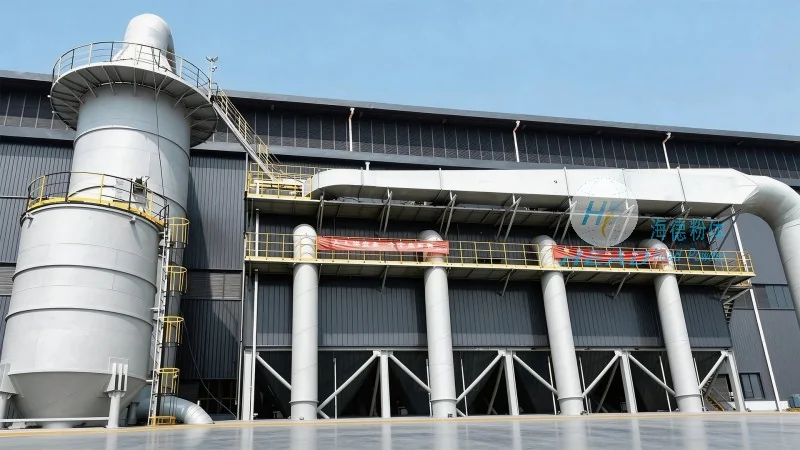
Understanding PVC Resin and Pneumatic Conveying
Polyvinyl chloride (PVC) is a widely used thermoplastic polymer in various industries, including construction, manufacturing, and packaging. Its versatility and durability make it a preferred material for many applications. However, the handling of PVC resin, especially in bulk quantities, requires specialized equipment to prevent degradation, contamination, and loss of material. Pneumatic conveying systems provide an effective method for transporting PVC resin by utilizing compressed air to create a flow of material through a pipeline network.
Core Components of a PVC Resin Pneumatic Conveying Line
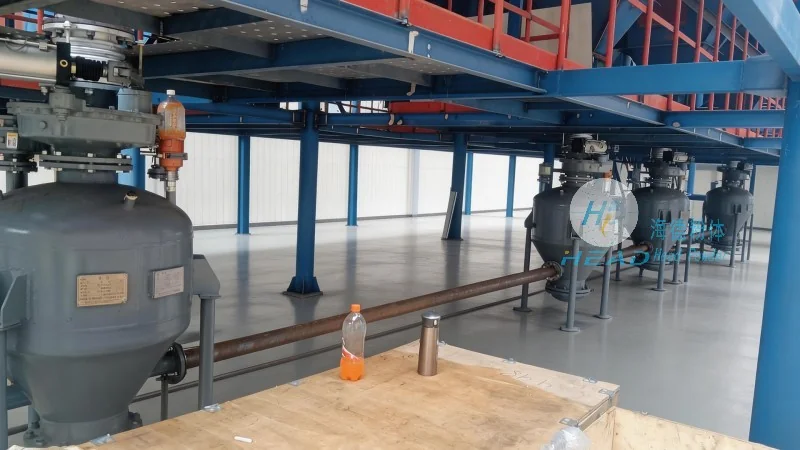
The design of a PVC resin pneumatic conveying line involves several key components that work in tandem to ensure smooth operation. These components include the material feed system, the conveying pipeline, the air supply unit, and the control mechanisms. The material feed system is responsible for introducing the PVC resin into the system, often using a hopper or a rotary valve to regulate the flow. The conveying pipeline, typically made of materials resistant to PVC resin and corrosion, transports the material through the system. The air supply unit generates the necessary pressure to move the resin, and the control mechanisms monitor and adjust the system parameters to maintain optimal performance.
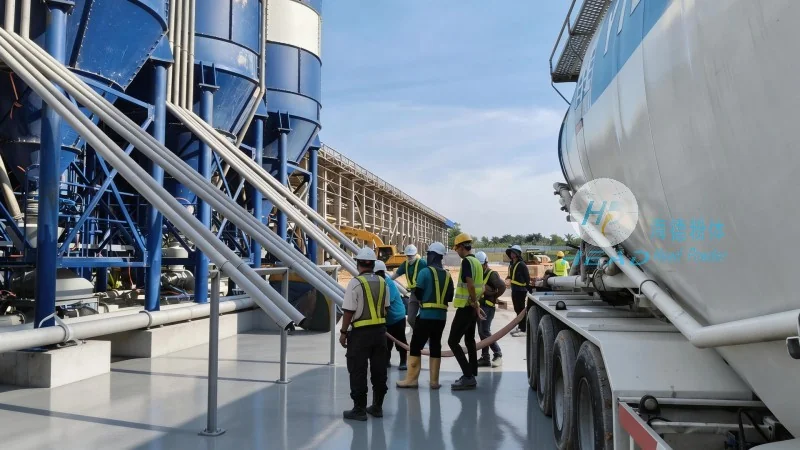
Design Principles for Efficient PVC Resin Conveying
The design of a PVC resin pneumatic conveying line is guided by several key principles to ensure efficiency, reliability, and safety. One of the primary principles is the selection of appropriate air velocities and pressure levels. The air velocity must be sufficient to lift and transport the resin particles without causing excessive wear on the system components. Similarly, the pressure levels are carefully calibrated to balance the need for efficient transport with the risk of material degradation or system damage. Another critical principle is the consideration of material properties, such as particle size, density, and moisture content, as these factors directly impact the conveying performance. The design must account for these variations to ensure consistent operation.
HeadPowder: A Leader in PVC Resin Pneumatic Conveying Solutions
Shandong HeadPowder Engineering Co., Ltd., a prominent company based in China, specializes in the design, manufacturing, and installation of advanced pneumatic conveying systems for various industrial applications. With years of experience in the field, HeadPowder has developed a reputation for delivering high-quality, customized solutions that meet the specific needs of their clients. The company's expertise lies in understanding the unique challenges of handling PVC resin and tailoring systems to address them effectively. Their team of engineers and technicians work closely with clients to assess their requirements, provide technical support, and ensure the successful implementation of the conveying lines.
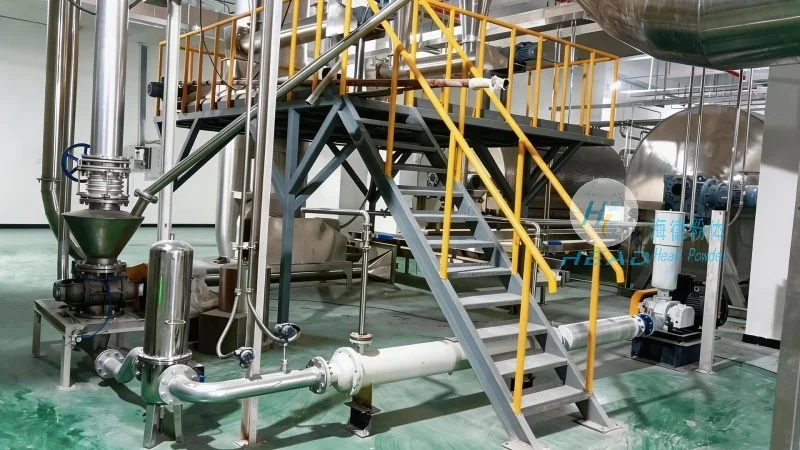
Applications and Benefits of PVC Resin Pneumatic Conveying Lines
PVC resin pneumatic conveying lines are widely used in various industrial processes, including resin storage, processing, and distribution. These systems offer several benefits over traditional conveying methods, such as reduced labor costs, improved safety by eliminating manual handling, and enhanced product quality by minimizing contamination. The ability to transport PVC resin over long distances without the need for intermediate storage or handling points makes these systems particularly advantageous in large-scale production facilities. Additionally, the flexibility of pneumatic conveying allows for easy integration with existing production lines and the ability to adapt to changing production demands.
Conclusion: The Importance of Proper Design and Implementation
In conclusion, a PVC resin material pneumatic conveying line is a critical component in modern industrial operations, providing an efficient and reliable method for transporting PVC resin. The design principles that govern these systems are essential for ensuring optimal performance, safety, and longevity. Companies like Shandong HeadPowder Engineering Co., Ltd. play a vital role in providing the expertise and technology needed to implement these systems effectively. By understanding the core components and design principles, industries can leverage the benefits of pneumatic conveying to enhance their production processes and maintain a competitive edge in the market.