

What is a Mixed-Mode Bulk Material Pneumatic Conveying System? And What Are Its Design Principles?
For industrial operations dealing with bulk materials, the choice of material handling system is critical to efficiency, cost-effectiveness, and operational reliability. Among the various options available, the mixed-mode bulk material pneumatic conveying system stands out as a versatile solution that combines the advantages of different conveying methods. This article aims to explain what a mixed-mode pneumatic conveying system is and delve into its fundamental design principles, providing insights into how such systems are engineered for optimal performance.
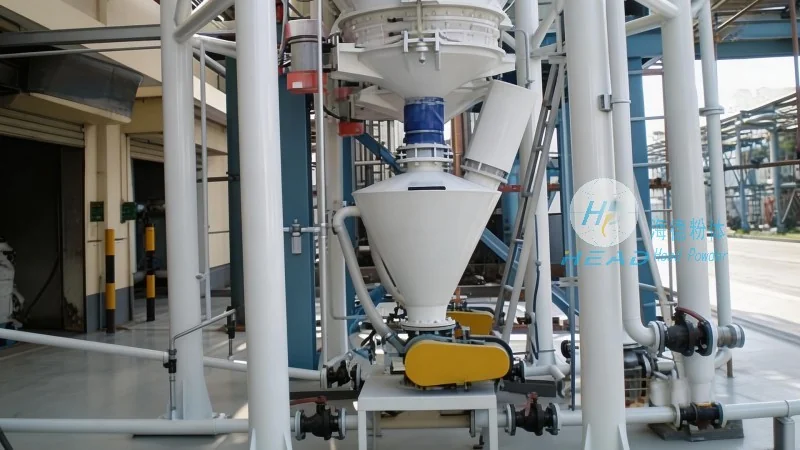
Understanding Mixed-Mode Pneumatic Conveying Systems
A mixed-mode bulk material pneumatic conveying system is a sophisticated piece of equipment designed to transport dry, bulk materials through a pipeline using a combination of air and mechanical forces. Unlike traditional pneumatic conveying systems that rely solely on air pressure or vacuum, mixed-mode systems integrate both positive pressure and negative pressure conveying techniques, allowing for the transportation of materials over longer distances and with greater flexibility in terms of material characteristics and system layout. This hybrid approach enables the system to handle a wide range of materials, from fine powders to coarse granules, while maintaining high efficiency and minimal material degradation.
Key Components of a Mixed-Mode System
The design of a mixed-mode pneumatic conveying system involves several key components that work in concert to ensure smooth material transport. These components typically include a blower or compressor to generate the necessary air pressure, a hopper or feeder to feed the material into the system, a pipeline network to carry the material and air, and a receiver or discharge point to collect the material at the destination. In addition, the system may incorporate elements such as rotary air locks, filters, and control valves to regulate the flow and maintain system integrity. Each component is carefully selected and sized based on the specific material being conveyed and the operational requirements of the application.
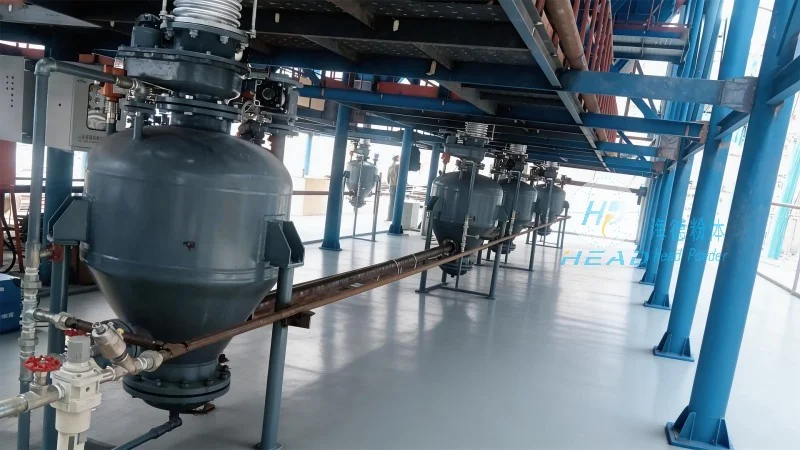
Design Principles for Optimal Performance
The design principles of a mixed-mode bulk material pneumatic conveying system are centered on achieving a balance between efficiency, reliability, and cost-effectiveness. Engineers must consider several factors during the design process, including the material's physical properties (such as particle size, density, and moisture content), the required conveying distance and elevation, and the desired flow rate. The system's design must also account for the need to minimize material degradation, prevent blockages, and ensure easy maintenance. A key principle is the selection of the appropriate air velocity and pressure to maintain a stable flow of material within the pipeline, avoiding both excessive pressure that could damage the system and insufficient pressure that might lead to material settling or blockages. Additionally, the integration of positive and negative pressure zones allows for the optimization of energy consumption, as the system can switch between modes depending on the segment of the pipeline and the material being transported.
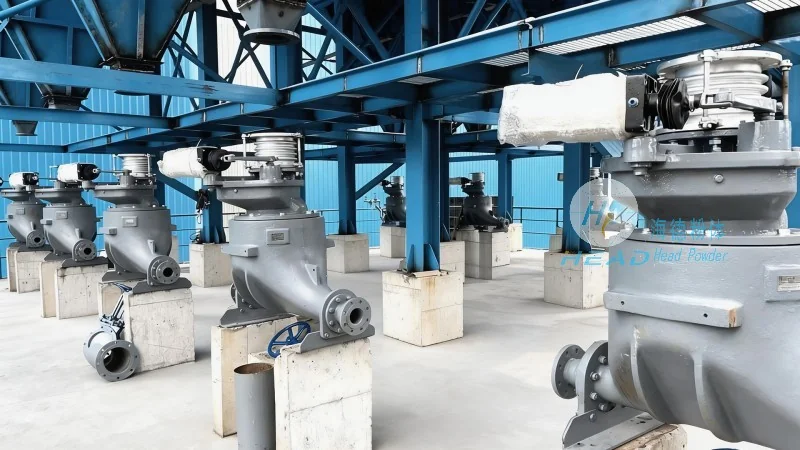
Applications and Benefits
Mixed-mode bulk material pneumatic conveying systems are widely used in various industries, including food processing, pharmaceuticals, chemicals, and mining. The versatility of these systems makes them suitable for applications where different materials need to be transported or where the system layout requires flexibility. The primary benefits of using a mixed-mode system include reduced material handling costs, increased operational efficiency, and improved safety compared to traditional methods like bucket elevators or belt conveyors. Furthermore, the ability to handle a wide range of materials without the need for extensive modifications makes these systems a cost-effective solution for many industrial operations.
Conclusion
In conclusion, a mixed-mode bulk material pneumatic conveying system is a highly efficient and flexible solution for transporting dry bulk materials. By combining positive and negative pressure conveying techniques, these systems offer superior performance compared to traditional pneumatic conveying methods. The design principles, which focus on material properties, operational requirements, and energy efficiency, ensure that the system is optimized for the specific application. As a result, mixed-mode systems provide significant benefits in terms of cost savings, operational reliability, and material handling efficiency. For industries seeking a robust and adaptable material handling solution, the mixed-mode pneumatic conveying system from Shandong HeadPowder Engineering Co., Ltd. represents a reliable choice, backed by the company's expertise in engineering and manufacturing such advanced systems.