

What is a Carbon Additive Powder Material Pneumatic Conveying Line? And What Are Its Design Principl
Carbon additive powder material pneumatic conveying lines are specialized industrial systems engineered to transport fine powders, such as carbon additives, through a pressurized or vacuum environment. These systems are crucial in various manufacturing processes where precise and efficient powder handling is required. Developed by Shandong HeadPowder Engineering Co., Ltd., a leading provider in the field, these lines combine advanced engineering with robust construction to ensure reliable operation in demanding industrial settings.
Core Design Principles of Pneumatic Conveying Systems
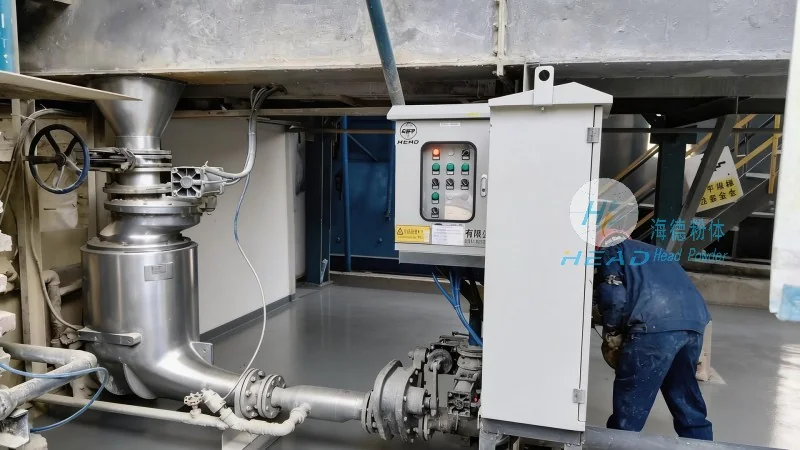
The fundamental design principle of a pneumatic conveying line for carbon additive powders revolves around the use of air or gas as the conveying medium. The system typically operates under either positive pressure (where air is forced through the system) or negative pressure (where air is drawn out). The choice of pressure type depends on factors like the powder's characteristics, the distance to be conveyed, and the overall system layout. A key aspect of the design is maintaining a consistent flow rate and pressure to prevent clogging or degradation of the powder. Shandong HeadPowder Engineering Co., Ltd. specializes in tailoring these principles to meet specific operational needs, ensuring optimal performance and longevity of the conveying line.
Key Components and Their Functions
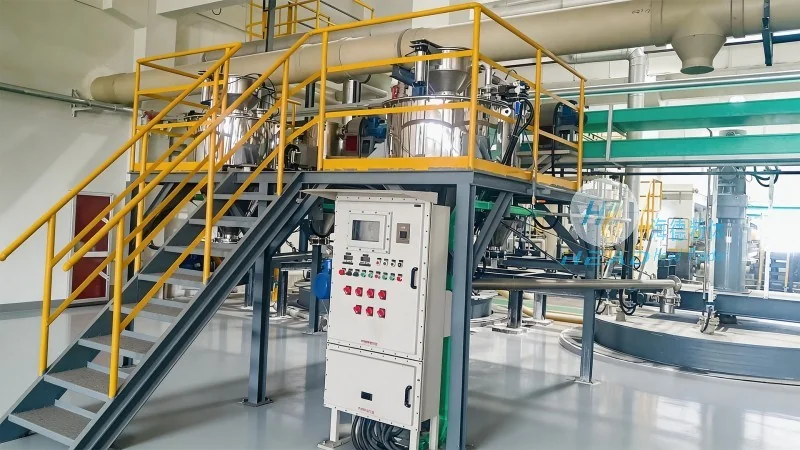
Several critical components make up a carbon additive powder pneumatic conveying line. The primary components include a blower or compressor (the air source), a hopper or feeder (to store and meter the powder), a conveying line (typically made of stainless steel or other corrosion-resistant materials), and a separator or filter (to separate the powder from the air at the end of the line). The blower provides the necessary pressure to move the powder, while the feeder controls the flow rate to maintain a stable conveying process. The conveying line's design, including its diameter and length, is optimized to minimize pressure drop and prevent particle segregation. The separator is essential for recovering the powder and cleaning the air, ensuring environmental compliance and material recovery. Each component is carefully selected and integrated to create a cohesive system that operates efficiently and reliably.
Application Scenarios and Operational Advantages
Carbon additive powder pneumatic conveying lines are widely used in industries such as steelmaking, foundries, and chemical processing, where carbon additives are essential for enhancing the properties of final products. These systems offer several operational advantages over traditional methods like belt conveyors or manual handling. For instance, they provide a dust-free and enclosed environment, reducing health hazards and environmental pollution. The ability to transport powders over long distances with minimal loss and degradation is another significant benefit. Additionally, pneumatic conveying systems can handle a wide range of powder characteristics, including varying particle sizes and moisture content. Shandong HeadPowder Engineering Co., Ltd. has successfully implemented these systems in numerous industrial applications, helping clients improve productivity, reduce operational costs, and enhance safety standards.
Technical Specifications and Customization Options
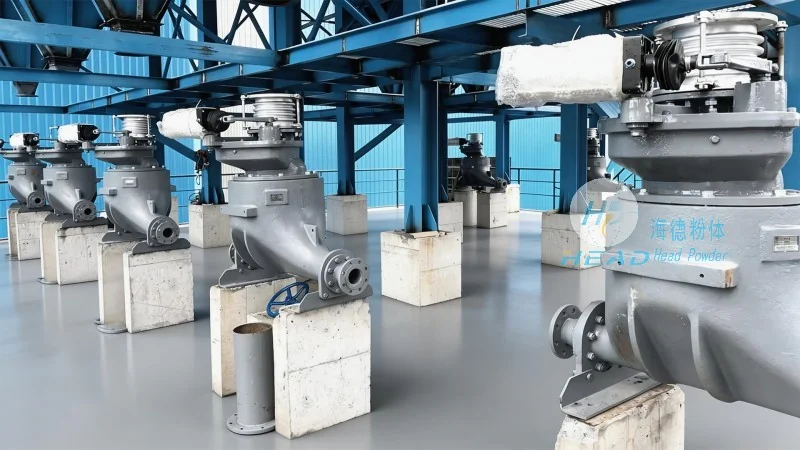
Shandong HeadPowder Engineering Co., Ltd. offers a range of technical specifications and customization options to suit diverse client requirements. The conveying capacity can be adjusted based on the powder's bulk density and the desired flow rate, typically ranging from a few kilograms per hour to several tons per hour. The system's pressure can be tailored to the specific conveying distance and pipeline layout, with options for both positive and negative pressure operation. The materials used for the conveying line, such as stainless steel or aluminum, can be selected based on the powder's chemical compatibility and the operating environment. Customization also includes the addition of features like automatic control systems, monitoring sensors, and integration with existing production lines. These options allow clients to optimize the system for their unique operational needs, ensuring maximum efficiency and performance. The company's expertise in engineering and manufacturing enables them to deliver customized solutions that meet the highest standards of quality and reliability.