

Oxidized Iron Material Pneumatic Conveying Systems: Exploring Their Design Principles
Oxidized iron material pneumatic conveying systems are specialized industrial equipment designed to transport oxidized iron powders or granules through a pipeline using air or other gas as the conveying medium. This technology offers a efficient and flexible solution for handling oxidized iron materials, which are commonly used in various industrial applications such as metallurgy, chemical processing, and material manufacturing. The core of these systems lies in their ability to move bulk materials without the need for mechanical components like belts or buckets, making them ideal for applications where traditional methods may be impractical or less effective.
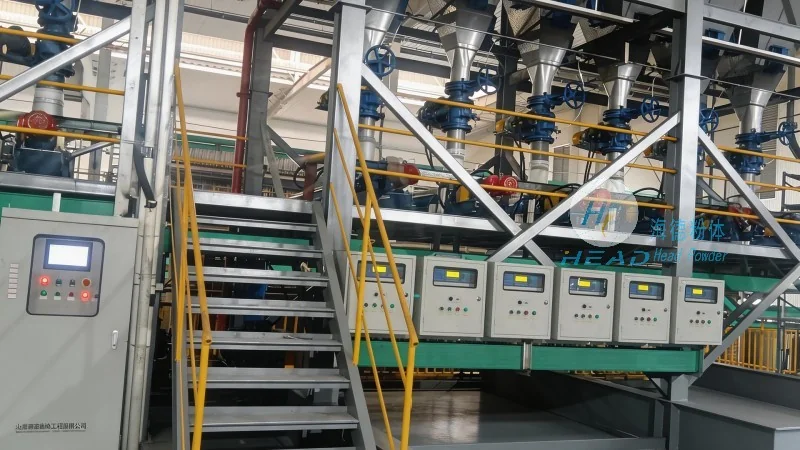
About Shandong HeadPowder Engineering Co., Ltd.
HeadPowder, a leading manufacturer in the field of material handling equipment, specializes in the design, development, and production of advanced pneumatic conveying systems. With a strong focus on innovation and customer-centric solutions, the company has established itself as a trusted partner for industries requiring reliable and efficient material transport solutions. HeadPowder's expertise in engineering and manufacturing ensures that their products meet the highest standards of performance, durability, and safety, catering to the specific needs of clients in diverse sectors.
Design Principles of Oxidized Iron Material Pneumatic Conveying Systems
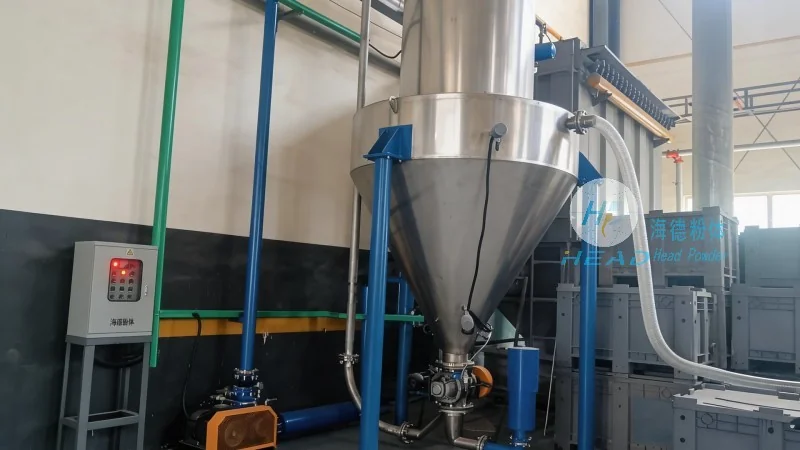
The design of an oxidized iron material pneumatic conveying system involves several key components and principles that work together to ensure effective material transport. The primary components include the material hopper, the air or gas source (typically a blower or compressor), the conveying pipeline, and the discharge point. The material is fed into the hopper, where it is then drawn into the pipeline by the air flow generated by the blower. The air velocity within the pipeline is critical, as it must be sufficient to lift and transport the oxidized iron particles without causing excessive wear or degradation of the material.
One of the fundamental design principles is the selection of the appropriate air velocity. For oxidized iron materials, the air velocity is typically maintained at a level that ensures the particles are fully suspended in the air stream. This velocity is determined by factors such as the particle size, density, and shape of the oxidized iron, as well as the desired conveying distance and throughput. Proper air velocity ensures that the material moves smoothly through the pipeline without clogging or settling, which could lead to system inefficiencies or damage.
Another crucial aspect of the design is the pipeline layout and configuration. The pipeline must be designed to minimize pressure losses and ensure consistent air flow. This includes considerations such as the use of appropriate pipe diameters, bends, and fittings that are resistant to corrosion and wear from the oxidized iron particles. The system may also incorporate features like airlocks or cyclones at the discharge point to separate the material from the air stream, allowing for clean material discharge and air recycling or treatment.
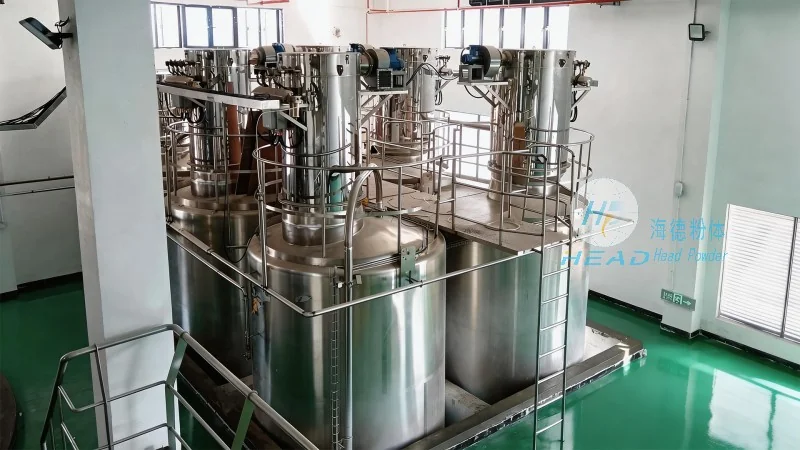
The material hopper and feeder are also critical components in the design. The hopper is designed to hold the oxidized iron material and provide a consistent feed rate to the system. The feeder, which may be a rotary valve or a screw feeder, controls the flow of material into the pipeline, ensuring that the air flow is not disrupted by excessive or insufficient material feed. Proper design of the hopper and feeder prevents material bridging or blockages, which can cause system downtime and maintenance issues.
Advantages of Oxidized Iron Material Pneumatic Conveying Systems
Oxidized iron material pneumatic conveying systems offer several advantages over traditional mechanical conveying methods. One of the key benefits is the ability to handle materials that are difficult to transport using conventional methods, such as fine powders or granules that are prone to caking or segregation. The air-based transport method prevents material degradation and maintains the quality of the oxidized iron, which is essential for applications where the material's properties are critical.
Another advantage is the flexibility and scalability of the system. Pneumatic conveying systems can be easily modified or expanded to accommodate changes in production requirements or material handling needs. This makes them suitable for both small-scale and large-scale operations, from laboratory-scale testing to industrial production lines. The system can also be integrated with other equipment, such as storage silos or processing units, to create a seamless material handling process.
Furthermore, pneumatic conveying systems are generally more hygienic and easier to clean compared to mechanical systems. The absence of moving parts that come into direct contact with the material reduces the risk of contamination and makes the system more suitable for handling food-grade or pharmaceutical materials. However, for oxidized iron materials, the primary advantages are related to efficiency, reliability, and the ability to handle bulk quantities without the need for manual handling or additional equipment.
Applications of Oxidized Iron Material Pneumatic Conveying Systems
Oxidized iron material pneumatic conveying systems are widely used in various industrial applications where the transport of bulk oxidized iron materials is required. These systems are commonly employed in metallurgical plants for the transport of iron ore or iron oxide powders used in the production of steel and other metal products. In chemical processing industries, they are used to convey oxidized iron as a raw material for the production of iron-based chemicals or pigments.
In material manufacturing, the systems are utilized in the production of iron-based alloys, where the consistent transport of oxidized iron is crucial for maintaining product quality and uniformity. The ability to handle fine particles and maintain a consistent flow rate makes pneumatic conveying an ideal solution for these applications, ensuring that the final products meet the required specifications.
Conclusion
Oxidized iron material pneumatic conveying systems are advanced industrial solutions that provide efficient, reliable, and flexible transport of bulk oxidized iron materials. The design principles, including proper air velocity control, pipeline configuration, and material handling components, ensure that the system operates effectively and maintains the quality of the material. With the expertise of manufacturers like Shandong HeadPowder Engineering Co., Ltd., these systems can be tailored to meet the specific needs of various industries, offering a cost-effective and sustainable solution for material handling challenges.