

Working Principle and Features of Stearic Acid Sodium Pneumatic Conveying Equipment
Stearic acid sodium, also known as sodium stearate, is a widely used chemical compound in various industrial applications. The pneumatic conveying equipment designed for handling this material plays a crucial role in ensuring efficient and safe material transport. This article will explore the working principle and key features of such equipment, providing insights into its functionality and benefits.
Company Introduction
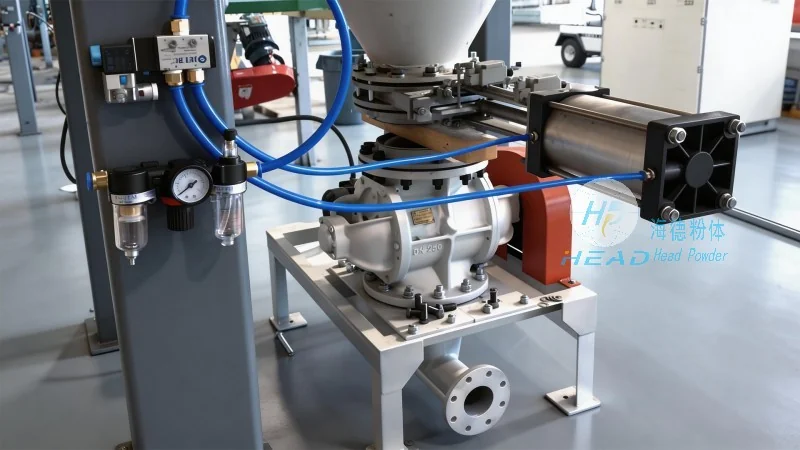
HeadPowder, or Shandong HeadPowder Engineering Co., Ltd., is a professional manufacturer and supplier specializing in pneumatic conveying systems. With a focus on innovation and quality, the company has established itself as a trusted partner in the chemical processing industry. HeadPowder's facilities are located in Shandong, China, where advanced technology and rigorous quality control ensure the production of reliable and efficient conveying equipment.
Working Principle of Stearic Acid Sodium Pneumatic Conveying Equipment
The pneumatic conveying system for stearic acid sodium operates on the principle of using air to transport solid particles through a pipeline. The process typically involves several key components and steps. First, the material is fed into a hopper or feeder, where it is then introduced into a conveying line. A fan or blower generates a flow of air, which creates a negative pressure or positive pressure environment within the pipeline. This air flow carries the stearic acid sodium particles along the pipeline to the destination point, such as a storage silo or processing unit. The system may use either a dilute phase or dense phase conveying method, depending on the material characteristics and required transport distance. In dilute phase conveying, the material is suspended in the air stream, while in dense phase conveying, the material is transported in a slurry-like state with higher air-to-material ratios. The control system of the equipment ensures precise regulation of air flow, pressure, and material feed rate to maintain stable and efficient operation.
Key Features of Stearic Acid Sodium Pneumatic Conveying Equipment
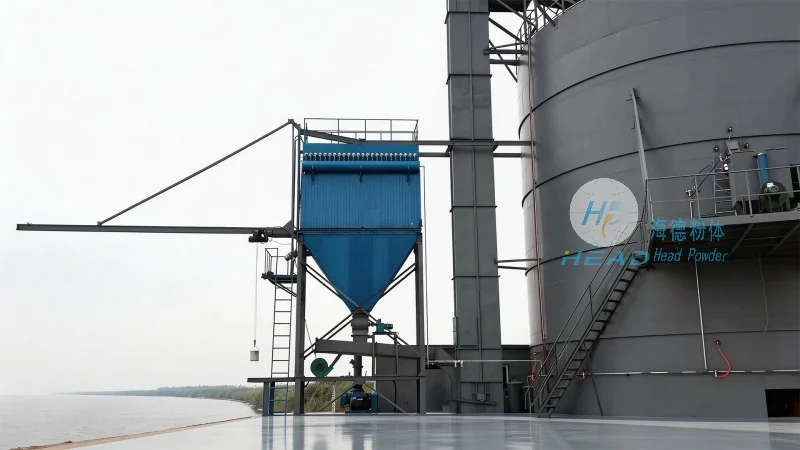
The pneumatic conveying equipment for stearic acid sodium offers several notable features that enhance its performance and usability. One of the primary advantages is its ability to handle fine powders and granules without the need for mechanical components like belts or screws, which can cause material degradation or contamination. The system is also highly flexible, allowing for changes in material flow rates and destination points without extensive modifications. Additionally, the equipment is designed for minimal maintenance, with easy access to components for cleaning and replacement. The use of stainless steel or other corrosion-resistant materials ensures durability and resistance to the chemical properties of stearic acid sodium. Another important feature is the integration of safety measures, such as pressure relief valves and dust collection systems, to prevent accidents and ensure compliance with industrial safety standards. The equipment also supports automated operation, with programmable logic controllers (PLCs) that can be configured to optimize performance and reduce human intervention. These features collectively contribute to the efficiency, reliability, and safety of the pneumatic conveying process for stearic acid sodium.
Benefits and Applications
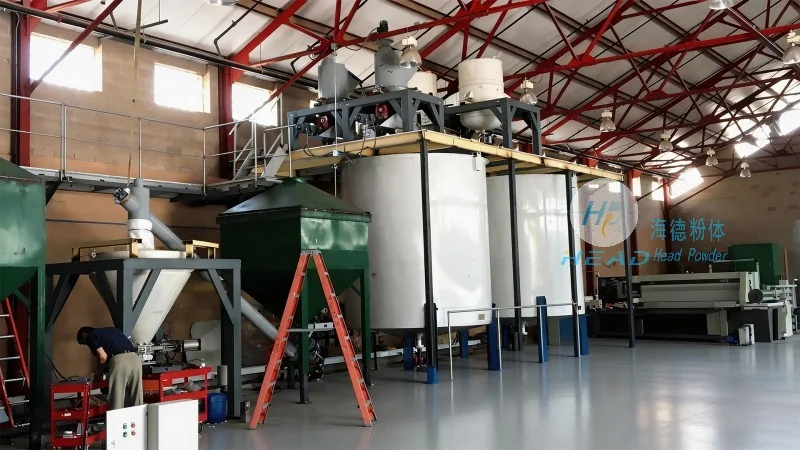
The implementation of stearic acid sodium pneumatic conveying equipment brings numerous benefits to industrial operations. By eliminating the need for manual handling or traditional bulk material transport methods, the system reduces labor costs and improves workplace safety. The efficient transport of material also minimizes downtime and increases overall production throughput. The equipment is particularly suitable for applications where material contamination must be avoided, such as in pharmaceutical or food processing industries. Additionally, the system's ability to handle fine powders without agglomeration ensures consistent product quality. Industries that commonly utilize this equipment include chemical manufacturing, pharmaceutical production, and food processing, where stearic acid sodium is used as an emulsifier, stabilizer, or lubricant. The versatility of the pneumatic conveying system makes it adaptable to various production scales and environments, from small-scale laboratory operations to large-scale industrial facilities.
Conclusion
In summary, the pneumatic conveying equipment for stearic acid sodium is a sophisticated system that leverages air flow to transport the material efficiently and safely. The working principle, which involves the use of fans, hoppers, and pipelines, ensures consistent material movement. The key features, including flexibility, low maintenance, and safety measures, enhance the equipment's performance and reliability. The benefits of this technology, such as improved safety, reduced labor costs, and consistent product quality, make it an essential component in various industrial applications. HeadPowder Engineering, with its expertise and facilities in Shandong, China, continues to provide high-quality pneumatic conveying solutions tailored to the specific needs of its clients, supporting the efficient processing of stearic acid sodium in diverse industries.