

What is a Multi-Hopper Pneumatic Material Conveying Line? And What Are Its Design Principles?
Multi-hopper pneumatic material conveying lines are advanced industrial systems designed to efficiently transport bulk materials over long distances or through complex layouts. These systems are particularly valuable in industries such as mining, construction, and chemical processing, where the reliable and safe movement of powders, granules, and other particulate materials is critical. The core of this technology lies in the multi-hopper pump, which serves as the central feeding and conveying unit, enabling the system to handle multiple material sources simultaneously.
Understanding the Multi-Hopper Pneumatic Conveying System
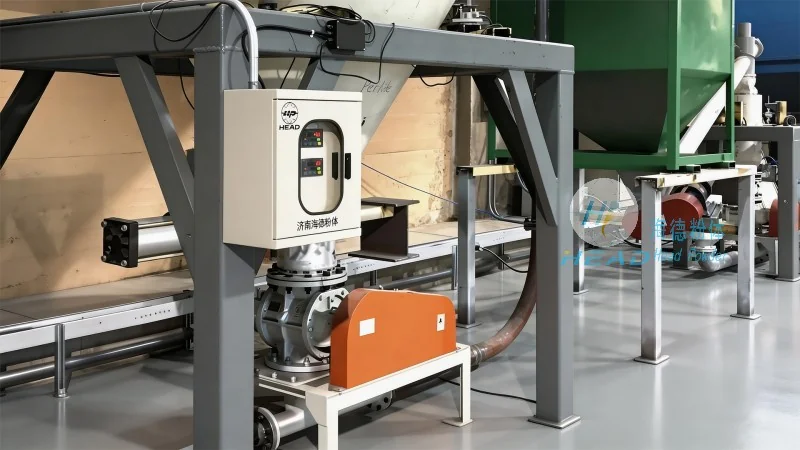
A multi-hopper pneumatic material conveying line typically consists of several key components, including multiple material hoppers, a central air compressor, conveying pipes, and control systems. Each hopper is equipped with a feeder mechanism, such as a rotary valve or a screw feeder, that regulates the flow of material into the system. The air compressor generates the necessary pressure to create a flow of air, which then carries the material particles through the pipes to the destination point. This design allows for the simultaneous handling of different materials or the sequential transport of a single material from multiple sources.
The Design Principles Behind Multi-Hopper Systems
The design of a multi-hopper pneumatic conveying line is guided by several fundamental principles aimed at optimizing performance, efficiency, and reliability. One of the primary principles is the balance between air and material flow rates. Proper air-to-material ratios are crucial to ensure that the material is fully suspended and transported without clogging or excessive pressure drops. Engineers carefully calculate these ratios based on the specific properties of the material, such as particle size, density, and moisture content, as well as the system's layout and required conveying distance.
Another key design principle is the system's ability to handle variations in material characteristics. Multi-hopper systems are often designed with adjustable feeding rates and air pressure controls, allowing operators to adapt to changes in material flow or system conditions. This flexibility is essential for maintaining consistent conveying performance, especially when dealing with materials that may vary in size or consistency over time. Additionally, the system's layout is optimized to minimize pressure losses and energy consumption, which are critical factors in long-term operational efficiency.
Key Components and Their Functions
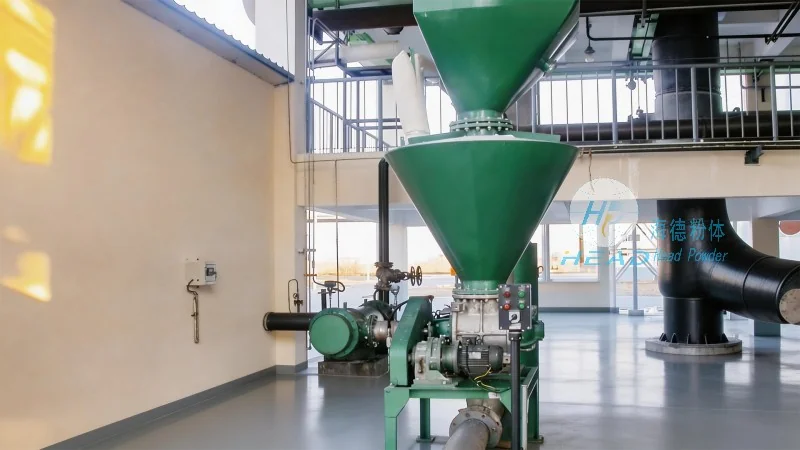
At the heart of a multi-hopper pneumatic conveying line is the air compressor, which provides the necessary pressure to drive the material through the conveying pipes. The compressor is typically a positive displacement type, such as a rotary screw or a piston compressor, chosen based on the system's required flow rate and pressure. The conveying pipes are made of materials like stainless steel or plastic, selected for their resistance to corrosion and wear from the transported materials. The pipes are arranged in a network that connects each hopper to the central receiving point, with bends and fittings designed to minimize turbulence and pressure loss.
Each material hopper is equipped with a feeder that controls the discharge of material into the system. Common feeder types include rotary airlocks, which use a rotating valve to regulate flow, and screw feeders, which use a rotating screw to push material forward. These feeders are designed to handle different material types and flow rates, ensuring a consistent feed to the conveying system. The control system, often a programmable logic controller (PLC), monitors and adjusts the air pressure, feeder speed, and other parameters to maintain optimal operation. This automation ensures that the system runs smoothly and efficiently, reducing the need for manual intervention and minimizing downtime.
Advantages of Multi-Hopper Pneumatic Conveying
Multi-hopper pneumatic material conveying lines offer several advantages over traditional conveying methods, such as belt conveyors or bucket elevators. One of the main benefits is the ability to transport materials over long distances without the need for multiple transfer points or elevators. This reduces the overall footprint of the system and simplifies the layout of the facility. Additionally, pneumatic conveying is less prone to material degradation compared to other methods, as the material is not subjected to high friction or impact forces. The system also provides better containment and dust control, which is essential for handling hazardous or fine powders.
Another advantage is the flexibility in material handling. Multi-hopper systems can handle a wide range of materials, from fine powders to coarse granules, and can transport multiple materials simultaneously by using different hoppers or by adjusting the system's configuration. This makes them ideal for applications where different materials need to be processed or combined at different stages of production. The system's ability to operate under negative pressure (suction mode) also allows for the collection of materials from various points in a facility, further enhancing its versatility.
Applications and Industries
Multi-hopper pneumatic conveying lines are widely used in various industries due to their versatility and efficiency. In the mining industry, they are used to transport ore from processing plants to storage facilities or to other processing units. In the construction industry, they are used to move bulk materials such as cement, sand, and gravel to different parts of a construction site. The chemical industry utilizes these systems to transport powders and granules in pharmaceutical, food, and chemical processing plants. Additionally, they are used in the agricultural sector to handle grain and other agricultural products, and in the recycling industry to transport recycled materials.
Conclusion
Multi-hopper pneumatic material conveying lines represent a sophisticated solution for the efficient and reliable transport of bulk materials in industrial settings. Their design, based on principles of air and material flow optimization, allows for the simultaneous handling of multiple materials and the adaptation to varying material characteristics. The key components, including air compressors, conveying pipes, and control systems, work together to ensure consistent performance and energy efficiency. As industries continue to demand higher productivity and better material handling solutions, multi-hopper pneumatic conveying systems remain a valuable and essential technology. The expertise of companies like Shandong HeadPowder Engineering Co., Ltd., with its focus on engineering and manufacturing such systems, plays a crucial role in meeting these industry needs.