

What is a cement clinker material pneumatic conveying equipment? What are its design principles?
Cement clinker serves as a fundamental raw material in cement production, and its efficient handling and transportation are critical for industrial operations. Pneumatic conveying equipment offers a reliable solution for moving cement clinker within a production facility, utilizing air as the conveying medium to transport bulk materials. This method provides a dust-free and efficient alternative to traditional systems like belt conveyors or bucket elevators, ensuring minimal material degradation and improved operational safety.
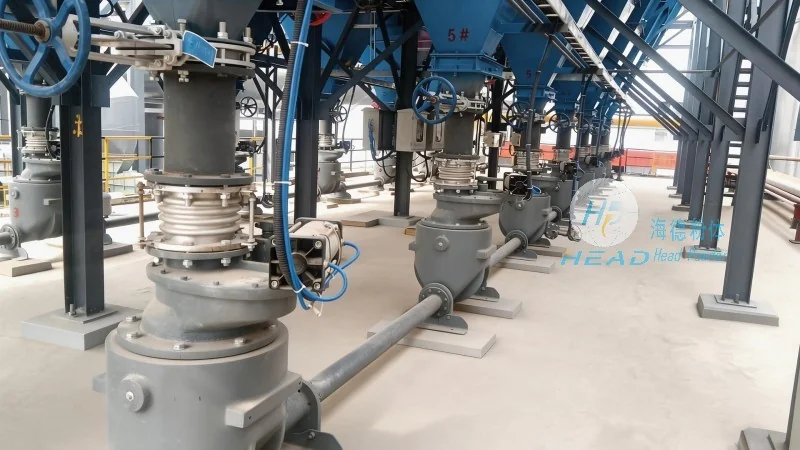
Key Components and Working Principle of Pneumatic Conveying Systems
The design of a cement clinker pneumatic conveying system typically incorporates several essential components, each playing a vital role in the overall operation. These components include the material feed hopper, the conveying pipeline, the air compressor or blower, and the discharge outlet. The working principle relies on creating a pressure differential between the system's inlet and outlet. By introducing high-pressure air into the pipeline, the clinker particles are entrained and transported to the destination. The air velocity and pressure are carefully controlled to ensure optimal material transport, preventing excessive wear on system components and maintaining the integrity of the clinker.
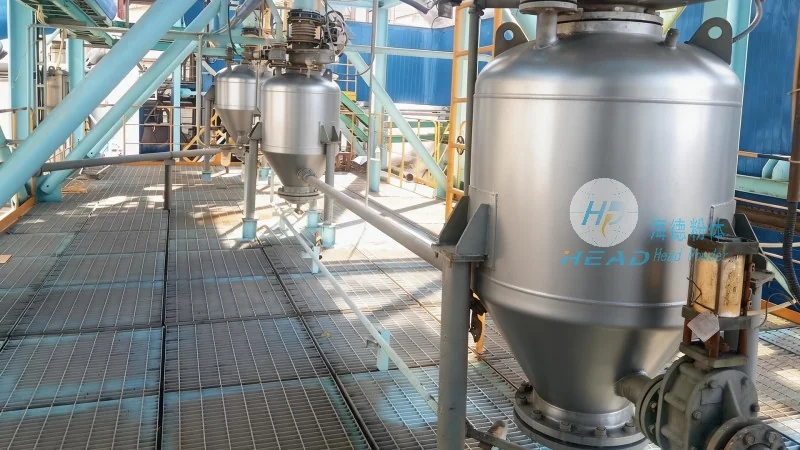
Design Principles for Optimizing Pneumatic Conveying Performance
Designing an effective pneumatic conveying system for cement clinker requires careful consideration of multiple factors to achieve efficiency, reliability, and longevity. A key design principle is the selection of appropriate air velocity and pressure. The air velocity must be sufficient to entrain clinker particles but not excessively high to avoid unnecessary energy consumption or component wear. The pressure differential is another critical factor, as it determines the system's conveying distance and height. Engineers often employ computational fluid dynamics (CFD) simulations to model flow behavior and optimize system design. Additionally, the clinker's properties—including particle size distribution, density, and moisture content—are considered to tailor the system to the specific material characteristics, ensuring tailored performance.
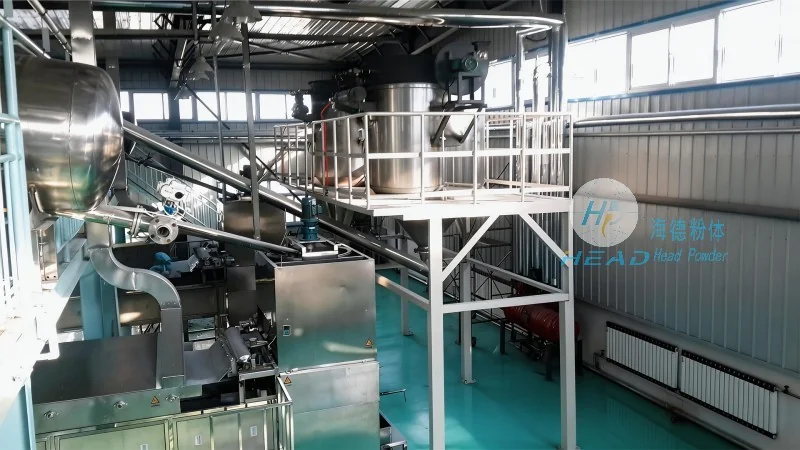
Applications and Benefits of Pneumatic Conveying in Cement Production
Cement clinker pneumatic conveying equipment is widely utilized across various stages of cement production, such as raw material handling, clinker storage, and final product packaging. The primary benefits of this technology include reduced labor costs, enhanced safety by eliminating manual bulk material handling, and improved product quality through minimized dust and contamination. Unlike mechanical conveyors, pneumatic systems can accommodate materials with varying particle sizes and shapes, offering versatility for diverse cement production processes. Moreover, the enclosed pipeline design prevents dust emissions, contributing to a cleaner and more environmentally friendly operation.