

What is a Regenerated Sand Material Pneumatic Conveying System? What are its Design Principles?
Regenerated sand material pneumatic conveying systems are specialized industrial equipment designed to transport sand and other granular materials efficiently. These systems utilize air pressure or vacuum to move materials through pipelines, offering a dust-free and automated solution for various manufacturing processes. As a key component in foundry and casting industries, such systems play a crucial role in enhancing production efficiency and maintaining material quality.
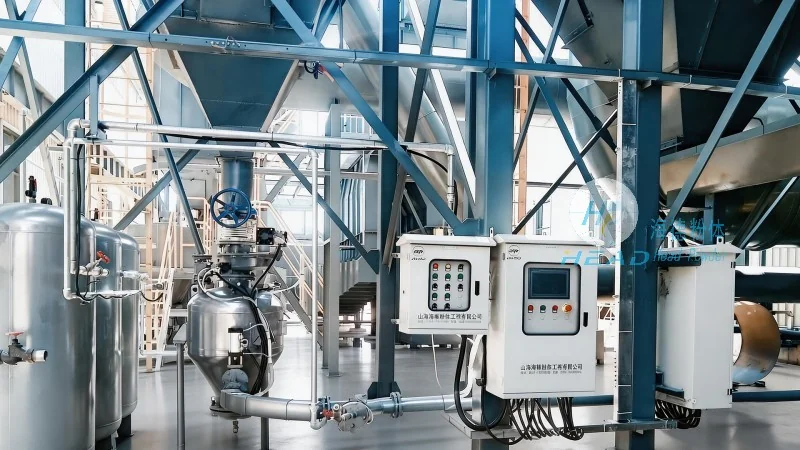
The Core Function and Application of Regenerated Sand Material Pneumatic Conveying Systems
At the heart of these systems lies the ability to handle regenerative sand, which is a critical material in sand casting processes. The system's primary function is to transport this sand from one location to another within a foundry, such as from a regeneration unit to a molding machine or between different stages of the casting cycle. This not only reduces manual labor but also ensures consistent material flow, which is vital for maintaining the quality of cast parts. The technology is particularly beneficial for large-scale production environments where traditional conveyor belts or bucket elevators may be less efficient or more prone to material degradation.
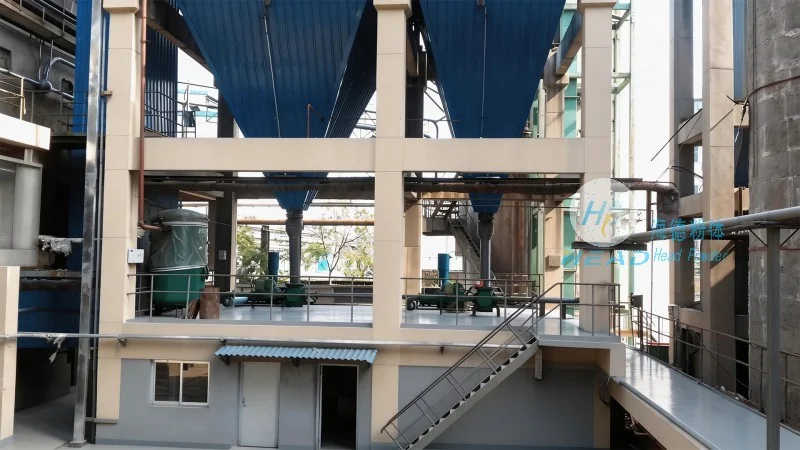
Key Design Principles Behind Regenerated Sand Material Pneumatic Conveying Systems
The design of a pneumatic conveying system for regenerated sand is based on several fundamental principles that ensure optimal performance and reliability. First, the system must be capable of handling abrasive materials like sand without causing excessive wear to the equipment. This is achieved through the use of robust materials for the pipeline and components, such as stainless steel or specialized alloys that can withstand the constant friction and impact of granular materials. Second, the system must maintain consistent air pressure and flow rates to prevent clogging and ensure smooth material transport. This often involves the use of high-quality air compressors and control valves that can regulate the airflow precisely. Third, the system is designed to minimize dust emissions, which is essential for maintaining a safe and clean working environment in industrial settings. This is typically achieved through the incorporation of dust collection and filtration systems that capture fine particles before they are released into the air.
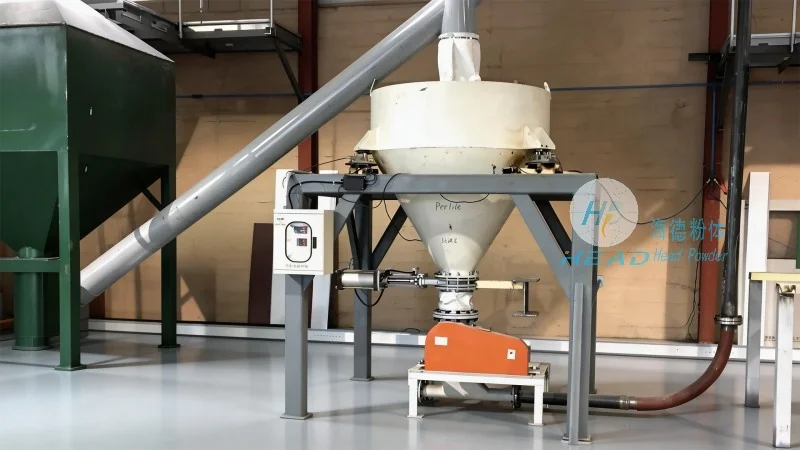
Components and Working Mechanism of Regenerated Sand Material Pneumatic Conveying Systems
A typical regenerated sand material pneumatic conveying system consists of several key components that work in tandem to achieve efficient material transport. The main components include a material hopper, an air compressor, a conveying pipeline, a control system, and a dust collection unit. The material hopper is where the regenerated sand is stored and fed into the system. The air compressor generates the necessary air pressure to move the material through the pipeline. The conveying pipeline, usually made of flexible or rigid tubing, transports the sand from the hopper to the destination point. The control system monitors and regulates the airflow and material flow, ensuring that the system operates within safe and efficient parameters. The dust collection unit, often integrated with the system, captures any fine particles that may escape during the conveying process, preventing air pollution and maintaining a clean environment.
Advantages of Using Regenerated Sand Material Pneumatic Conveying Systems
Implementing a pneumatic conveying system for regenerated sand offers numerous advantages over traditional material handling methods. One of the most significant benefits is the reduction in labor costs, as the system automates the material transport process, eliminating the need for manual handling of heavy and abrasive materials. This also improves workplace safety by reducing the risk of accidents associated with manual handling. Another advantage is the improved material quality, as the system prevents material degradation and contamination that can occur with manual handling or traditional conveyors. The dust-free operation of the system also contributes to a cleaner and healthier working environment, which can enhance employee productivity and reduce health-related issues. Additionally, the system's ability to handle large volumes of material efficiently makes it suitable for high-production foundries, where consistent and reliable material flow is essential for meeting production targets.
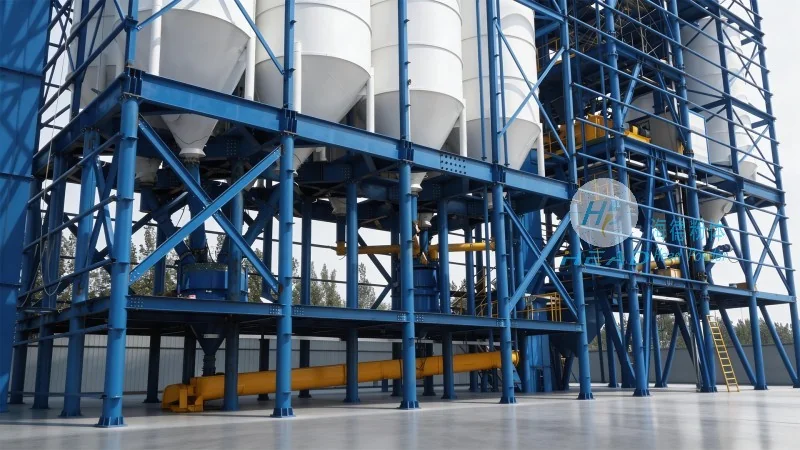
Customization and Integration with Foundry Processes
Regenerated sand material pneumatic conveying systems are often customized to meet the specific requirements of individual foundries. This customization can include adjustments to the system's capacity, the type of materials it can handle, and the integration with existing foundry equipment. For example, a system may be designed to work in conjunction with a sand regeneration unit, a molding machine, or a casting furnace, ensuring seamless material flow throughout the entire production process. The system can also be integrated with other automation technologies, such as sensors and control software, to provide real-time monitoring and data analysis. This allows foundry operators to optimize the system's performance and identify any potential issues before they become major problems. Customization also ensures that the system fits within the available space and budget of the foundry, making it a practical and cost-effective solution for various production scales.