

What is an unmanned feeding material pneumatic conveying line? What are its design principles?
HeadPowder, a leading provider of industrial material handling solutions, specializes in advanced pneumatic conveying systems. This article explores the concept of an unmanned feeding material pneumatic conveying line and delves into its core design principles, offering insights into how these systems enhance operational efficiency and reliability in various industrial applications.
Understanding Unmanned Feeding Material Pneumatic Conveying Lines
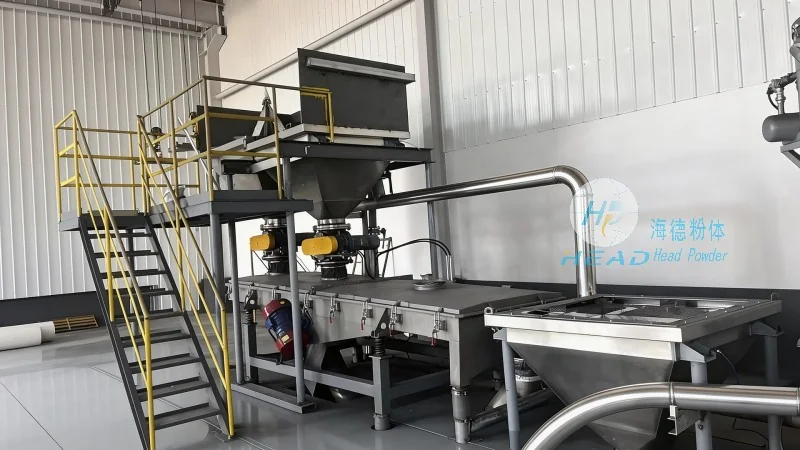
An unmanned feeding material pneumatic conveying line is a sophisticated system designed to transport bulk materials from one location to another without the need for manual intervention. These systems are integral to modern industrial processes, particularly in sectors such as pharmaceuticals, food processing, and chemical manufacturing, where maintaining a clean and contamination-free environment is paramount. The primary goal of such a line is to automate the material handling process, reducing human error, increasing throughput, and ensuring consistent product quality.
Key Components of the Unmanned Feeding System
The effectiveness of an unmanned feeding material pneumatic conveying line relies on several critical components that work in harmony to achieve seamless material transport. These components typically include a feeding hopper, a rotary valve or feeder, a conveying pipeline, a vacuum or pressure pump, and a receiving hopper or silo. Each component plays a specific role in the overall operation, ensuring that materials are introduced, conveyed, and deposited accurately and efficiently.
Design Principles for Optimal Performance
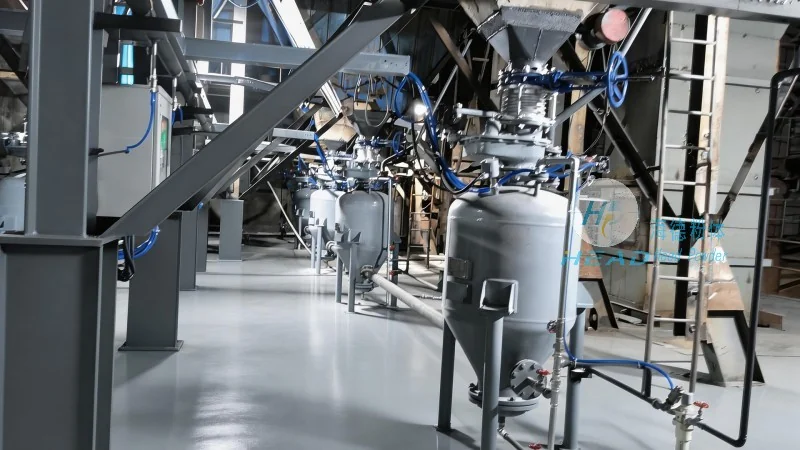
The design of an unmanned feeding material pneumatic conveying line is governed by several key principles aimed at maximizing performance, minimizing energy consumption, and ensuring long-term reliability. One of the fundamental principles is the selection of the appropriate conveying method—either vacuum or pressure-based—depending on the material characteristics, such as particle size, density, and moisture content. For example, vacuum systems are often preferred for fine powders and granules, as they can handle materials with lower flowability, while pressure systems are suitable for bulkier materials that require higher pressure to move through the pipeline.
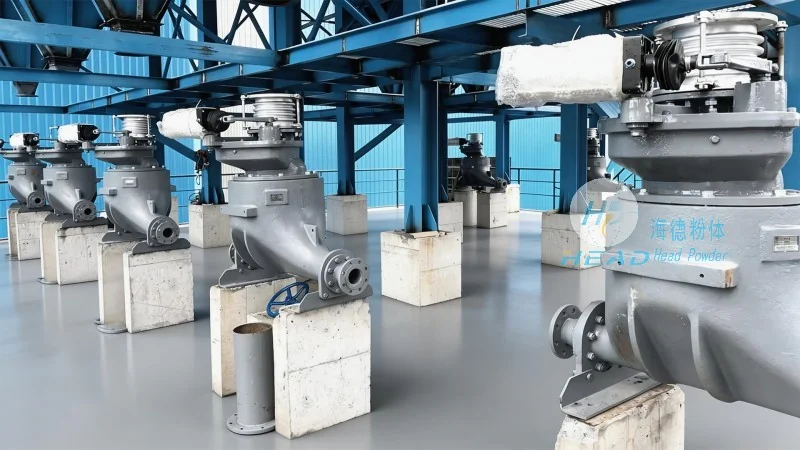
Another critical design principle is the optimization of pipeline layout and size. The diameter and length of the conveying pipeline directly impact the system's efficiency and energy usage. Properly sized pipelines minimize pressure drop, reducing the energy required to move materials. Additionally, the inclusion of features like bends, elbows, and expansion joints is essential to accommodate changes in direction and prevent material buildup or blockages. These design elements ensure smooth material flow and prevent system downtime.
Material Handling and Process Integration
Unmanned feeding material pneumatic conveying lines are often integrated into larger production processes, requiring seamless coordination with upstream and downstream equipment. The design must consider the compatibility of the system with existing machinery, such as mixers, reactors, or packaging equipment. This integration ensures that material transfer occurs without interruption, maintaining the continuity of the production line. For instance, in a pharmaceutical manufacturing facility, the conveying line may connect a raw material silo to a mixing unit, ensuring that the raw materials are delivered to the mixing process automatically and in the correct quantities.
Advantages of Unmanned Feeding Systems
Implementing an unmanned feeding material pneumatic conveying line offers numerous advantages over traditional manual or semi-automated systems. Firstly, it significantly reduces labor costs by eliminating the need for manual handling of bulk materials. This not only lowers operational expenses but also enhances workplace safety by minimizing the risk of accidents associated with manual material handling. Secondly, the automated nature of the system ensures consistent and accurate material transfer, reducing the likelihood of overfilling or underfilling, which can lead to product defects or waste.
Furthermore, unmanned feeding systems contribute to improved product quality and hygiene. By eliminating human contact with the material during transport, the risk of contamination is minimized, which is crucial in industries like food and pharmaceuticals where product purity is non-negotiable. The enclosed nature of the pneumatic conveying system also helps maintain a controlled environment, preventing dust emissions and ensuring compliance with environmental regulations.
Customization and Scalability
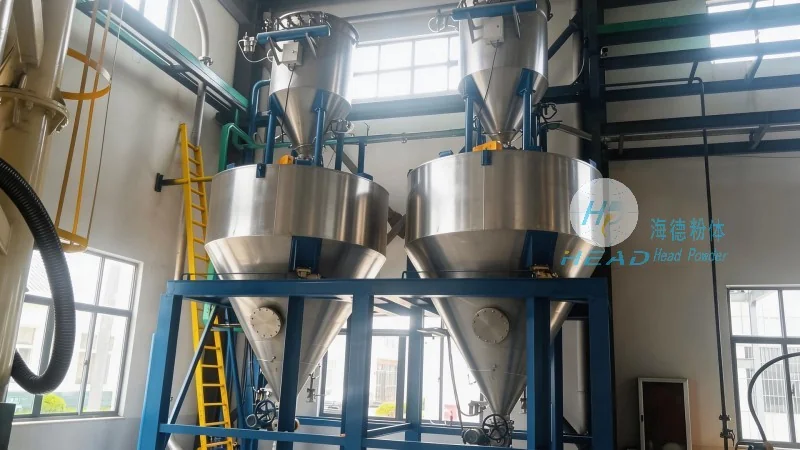
HeadPowder understands that each industrial application has unique requirements, and therefore, offers customized solutions tailored to specific needs. The design of an unmanned feeding material pneumatic conveying line can be scaled to accommodate varying material volumes and processing capacities. Whether a small-scale operation or a large industrial plant, the system can be designed to meet the specific demands of the client. Customization may include adjustments to the conveying method, pipeline configuration, or the integration of additional features such as material sensors or monitoring systems to enhance operational control.
Conclusion
In conclusion, an unmanned feeding material pneumatic conveying line is a highly efficient and reliable solution for bulk material handling in modern industrial settings. The design principles, which focus on material characteristics, pipeline optimization, and process integration, ensure that these systems deliver consistent performance and contribute to overall operational excellence. As a leading provider in the industry, HeadPowder continues to innovate and provide advanced material handling solutions that meet the evolving needs of its clients, supporting their success in a competitive market.