

What is Organic Fertilizer Material Pneumatic Conveying Equipment? What Are Its Design Principles?
HeadPowder, a leading engineering company based in Shandong, China, specializes in the design and manufacturing of advanced pneumatic conveying systems tailored for organic fertilizer applications. This article explores the functionality and design principles behind such equipment, providing insights into how these systems efficiently handle bulk organic fertilizer materials.
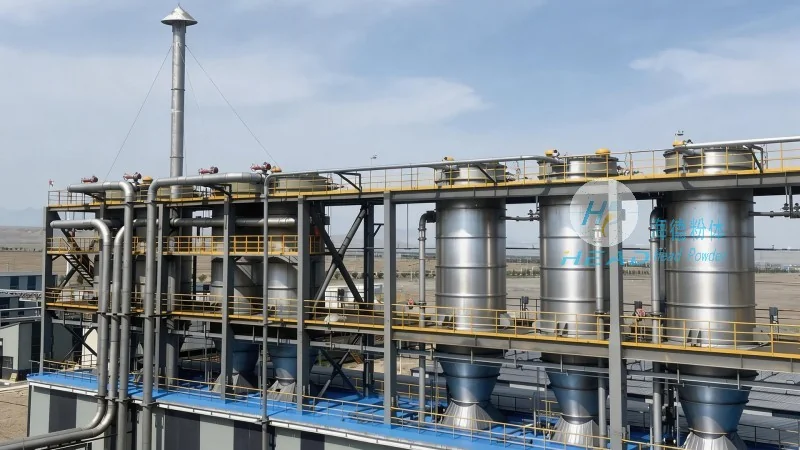
Introduction to Organic Fertilizer Pneumatic Conveying Equipment
Organic fertilizer material pneumatic conveying equipment is a specialized system used to transport bulk organic fertilizer materials from one location to another through the use of air pressure or vacuum. These systems are essential in modern agricultural and fertilizer production facilities, offering a dust-free, efficient, and reliable method of material handling compared to traditional methods like belt conveyors or manual handling.
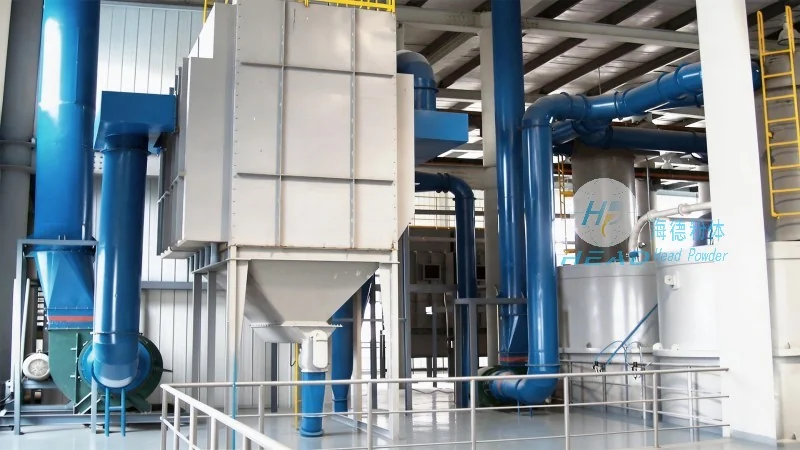
Key Components and Working Principle
The core components of an organic fertilizer pneumatic conveying system typically include a hopper for material storage, a conveyor line (either positive or negative pressure), a filter system to capture fine particles, and a discharge outlet. The working principle involves feeding the organic fertilizer into the hopper, where it is then drawn or pushed through the conveyor line by air pressure. Positive pressure systems use a blower to force air and material through the line, while negative pressure systems use a vacuum to pull material from the hopper. The filter system ensures that any fine particles are captured and returned to the hopper, maintaining product quality and preventing air pollution.
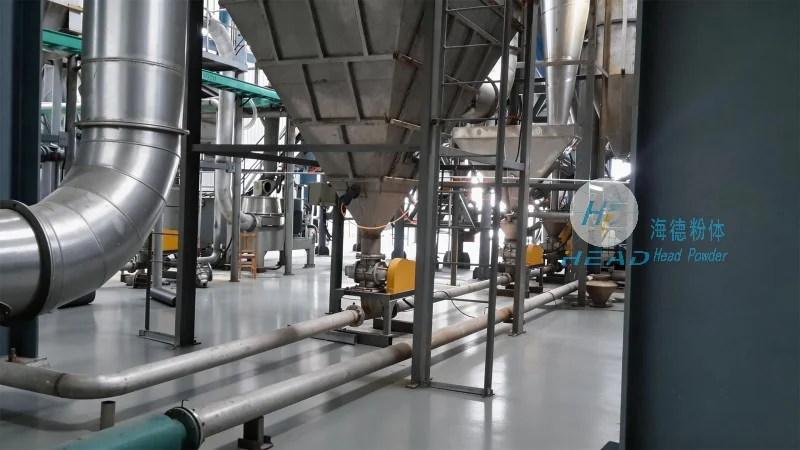
Design Principles for Efficient Organic Fertilizer Handling
Designing an effective organic fertilizer pneumatic conveying system requires careful consideration of several key factors to ensure optimal performance and durability. First, the system must be capable of handling the specific characteristics of organic fertilizer materials, such as their moisture content, particle size distribution, and flowability. This often involves selecting appropriate hopper designs and feeding mechanisms to prevent material bridging or caking. Second, the air flow rate and pressure must be optimized to minimize energy consumption while maintaining sufficient material transport velocity. Proper sizing of the blower or vacuum pump is critical to achieve this balance. Third, the material of construction must be chosen to withstand the corrosive and abrasive nature of organic fertilizers, ensuring long-term system reliability. Common materials include stainless steel, which provides excellent resistance to corrosion and wear.
Advantages of Pneumatic Conveying for Organic Fertilizers
Compared to traditional material handling methods, organic fertilizer pneumatic conveying equipment offers several significant advantages. One of the primary benefits is the ability to handle materials in a dust-free environment, which improves workplace safety and reduces the risk of product contamination. Additionally, these systems are highly efficient, allowing for continuous operation with minimal downtime. The compact design of pneumatic conveyors also saves valuable floor space in production facilities. Furthermore, the system's ability to handle a wide range of particle sizes and moisture levels makes it versatile for various organic fertilizer applications, from raw material transport to finished product distribution.
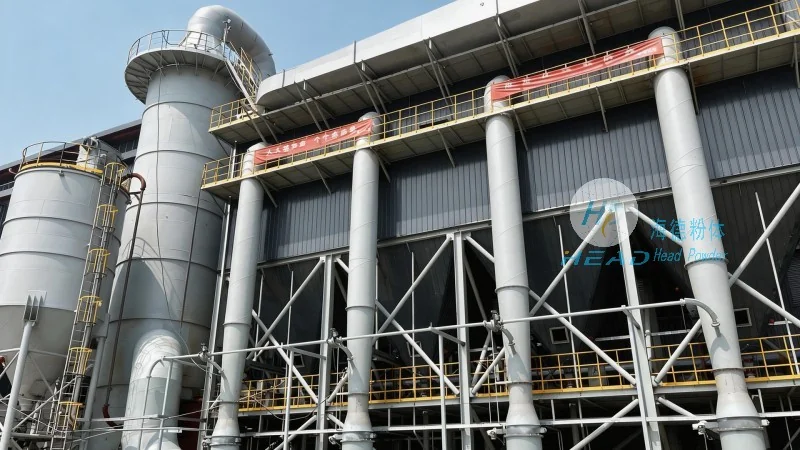
Application Examples in Fertilizer Production
Organic fertilizer pneumatic conveying equipment is widely used in various stages of fertilizer production. For example, in raw material handling, these systems can transport organic materials like compost, manure, or crop residues from storage silos to processing facilities. During the manufacturing process, they are used to convey intermediate products like granules or powders between different processing units. Finally, in the final packaging stage, the equipment can transport finished organic fertilizer products to storage silos or loading areas for distribution. Each application benefits from the consistent and reliable material transport provided by pneumatic conveying systems.