When it comes to transporting barley using pneumatic systems, the choice between positive pressure and negative pressure conveying is a critical decision that impacts efficiency, cost, and operational safety. Understanding the fundamental differences between these two methods is essential for selecting the most suitable solution for your specific application. This article explores the key characteristics of positive and negative pressure systems, outlines how to distinguish between them, and provides insights into the factors that influence the optimal choice for barley handling.
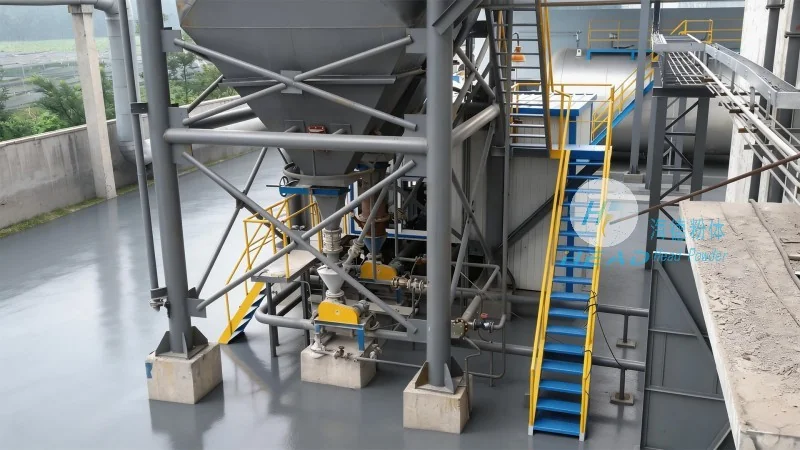
Understanding Pneumatic Conveying Basics
Pneumatic conveying systems use air or gas to transport bulk materials like barley through a pipeline. The primary difference between positive and negative pressure systems lies in the direction of air flow and the pressure differential within the system. Positive pressure systems force air and material through the pipeline, while negative pressure systems draw material into the system using a vacuum.
Positive Pressure Conveying for Barley
Positive pressure conveying, also known as pressure or blow-through systems, operates by blowing air and material through the pipeline. This method is often preferred for applications requiring high material velocity and the ability to transport materials over longer distances or through complex piping networks. The system typically includes a blower or compressor that generates positive pressure, pushing the material and air mixture through the pipeline to the destination point.
For barley, positive pressure systems are commonly used in scenarios where the material needs to be conveyed from a central storage area to multiple processing units or silos. The high pressure ensures that the barley moves efficiently, even when dealing with varying particle sizes or moisture content. Additionally, positive pressure systems are effective for handling materials that are prone to bridging or caking, as the force of the air helps to break up agglomerates and maintain flow.
Negative Pressure Conveying for Barley
Negative pressure conveying, or vacuum systems, operates by creating a vacuum at the receiving end of the pipeline, drawing material from the source into the system. This method is often more suitable for shorter conveying distances and applications where the material needs to be collected from multiple points and transported to a central location. The system typically includes a vacuum pump that pulls air and material through the pipeline to the collection point.
Barley is often handled using negative pressure systems in situations where the material is being transferred from a hopper or silo to a processing machine, such as a mill or dryer. The vacuum helps to maintain a consistent flow of material, preventing dust and spillage while ensuring that the barley reaches the processing equipment without excessive pressure or force.
Distinguishing Between Positive and Negative Pressure Systems
Several key factors can help in distinguishing between positive and negative pressure pneumatic conveying systems for barley:
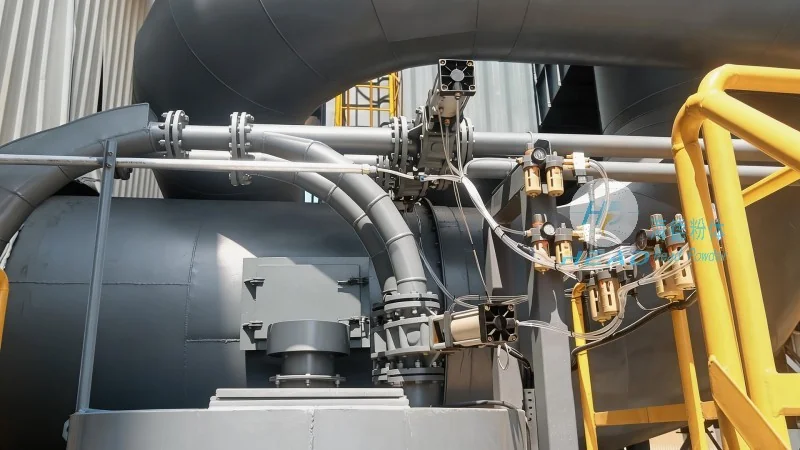
1. Air Flow Direction: In positive pressure systems, air flows in the same direction as the material, pushing it through the pipeline. In negative pressure systems, air flows in the opposite direction, pulling material into the system.
2. Pressure Differentiation: Positive pressure systems maintain higher pressure than the surrounding environment, while negative pressure systems maintain lower pressure (vacuum) than the surrounding environment.
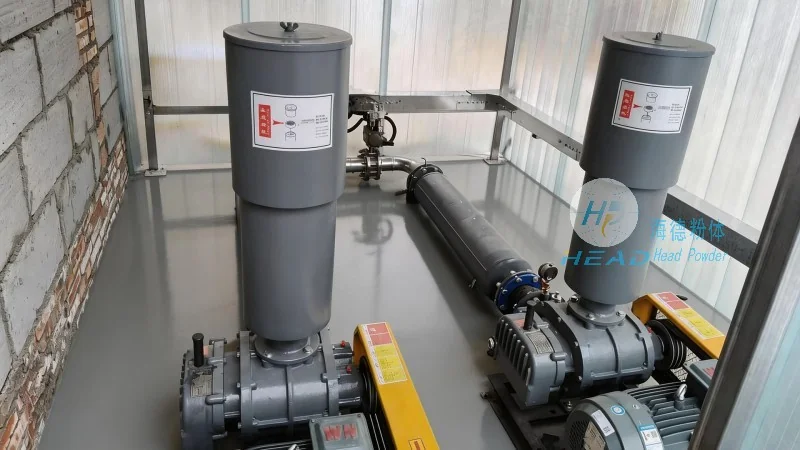
3. Equipment Used: Positive pressure systems rely on blowers or compressors to generate pressure, whereas negative pressure systems use vacuum pumps. The type of equipment can often be identified by the noise and pressure readings at the system inlet and outlet.
4. Application Requirements: Positive pressure is ideal for long-distance, high-volume conveying and when the material needs to be pushed through complex piping. Negative pressure is better suited for short to medium distances, when the material is being collected from multiple sources and needs to be drawn into a central point.
Factors Influencing the Choice of Conveying System
The decision between positive and negative pressure for barley pneumatic conveying depends on several practical considerations:
1. Conveying Distance: Longer distances typically favor positive pressure systems due to their ability to maintain material velocity over extended pipelines. Shorter distances may allow for negative pressure systems, which are simpler and less energy-intensive.
2. Material Characteristics: Barley's particle size, moisture content, and tendency to agglomerate affect the choice. Positive pressure systems are better for handling sticky or caking barley, as the air flow helps to break up clumps. Negative pressure systems are more suitable for dry, free-flowing barley where minimal pressure is needed.
3. Energy Efficiency: Negative pressure systems generally consume less energy than positive pressure systems, as they rely on vacuum pumps rather than high-pressure blowers. However, the overall energy cost depends on the system's design and the distance of the conveying line.
4. System Complexity and Maintenance: Positive pressure systems may require more maintenance due to the higher pressure components and potential for wear from abrasive materials like barley. Negative pressure systems are often simpler, with fewer moving parts, making them easier to maintain and repair.
Conclusion and Recommendations
Choosing between positive and negative pressure pneumatic conveying for barley requires a careful evaluation of the specific operational needs, material characteristics, and logistical constraints of the application. Positive pressure systems offer robustness and efficiency for long-distance or challenging material handling scenarios, while negative pressure systems provide simplicity and energy savings for shorter, less demanding tasks.
For businesses operating in the barley processing industry, selecting the appropriate conveying system is crucial for optimizing production efficiency, reducing operational costs, and ensuring the safety of personnel and equipment. By understanding the fundamental differences between positive and negative pressure systems and considering the factors outlined above, companies can make informed decisions that align with their operational goals.
Shandong HeadPowder Engineering Co., Ltd., a leading provider of pneumatic conveying solutions, specializes in designing and manufacturing customized systems tailored to the unique needs of barley handling. With decades of experience in the industry, HeadPowder offers a range of positive and negative pressure systems, including blowers, vacuum pumps, and pipeline components, to ensure reliable and efficient barley transportation. Based in Shandong, China, HeadPowder serves clients globally, delivering high-quality equipment and expert guidance to help businesses achieve their processing objectives.




