For industrial applications involving polypropylene resin powders, efficient material handling is crucial to ensure smooth production processes and maintain product quality. Pneumatic conveying systems have emerged as a key solution for transporting these fine powders over varying distances and within complex processing environments. A critical aspect of selecting the right pneumatic conveying system lies in choosing between positive pressure and negative pressure conveying modes. This technical analysis delves into the characteristics, operational principles, and practical considerations of both approaches, providing insights for industries seeking optimal material transport solutions.
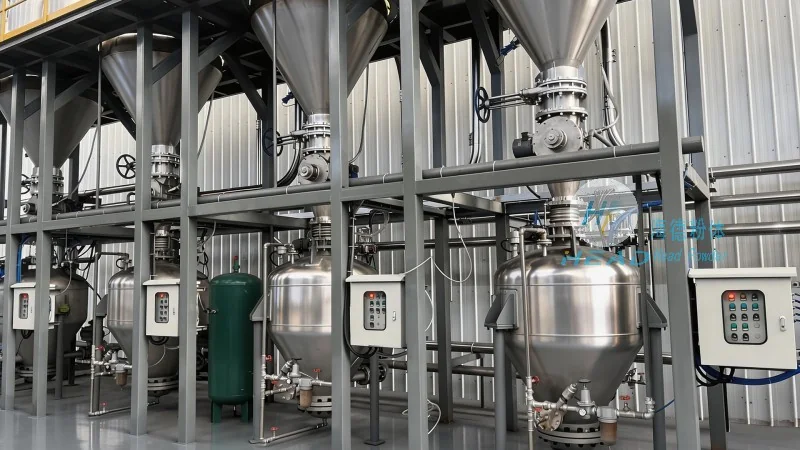
Company Profile: Shandong HeadPowder Engineering Co., Ltd.
Shandong HeadPowder Engineering Co., Ltd., commonly known as headpowder, is a leading engineering firm based in Shandong, China. With years of experience in the design, manufacturing, and installation of pneumatic conveying systems, the company specializes in tailored solutions for diverse industrial needs. Headpowder's expertise lies in understanding the unique challenges of handling polypropylene resin powders, including their flow properties, dust control requirements, and the need for efficient, reliable transport. The company's commitment to quality and innovation has positioned it as a trusted partner for businesses seeking advanced material handling technologies.
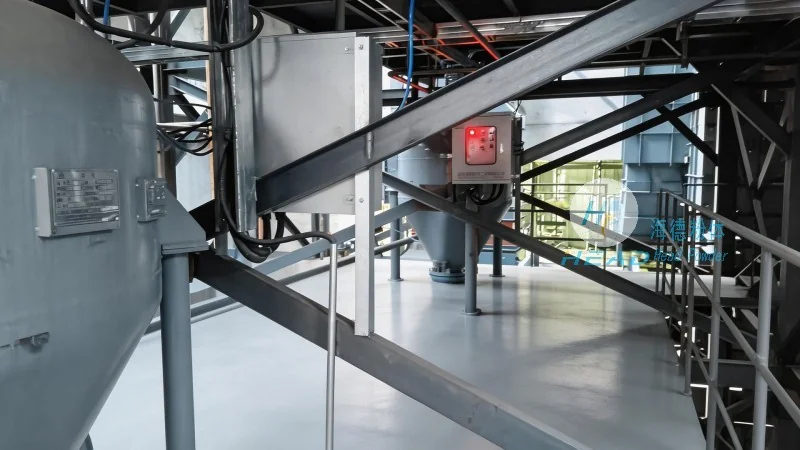
Positive Pressure Conveying Mode: Principles and Applications
Positive pressure conveying operates by generating pressurized air within the conveying line, which propels the polypropylene resin powder from the source to the destination. This mode typically involves a blower or compressor that supplies air under pressure, ensuring the material is transported through the system. The primary advantage of positive pressure systems is their ability to handle longer distances and higher material loads, making them suitable for applications where the conveying line spans significant distances or needs to transport large quantities of resin powder. Additionally, positive pressure systems are generally more effective in handling abrasive or sticky powders, as the pressurized air helps maintain consistent flow and reduces the risk of material buildup in the line. However, these systems may require more robust equipment and higher energy consumption compared to negative pressure alternatives. The design of positive pressure systems often includes features such as pulse jet cleaning mechanisms to prevent clogging and ensure continuous operation.
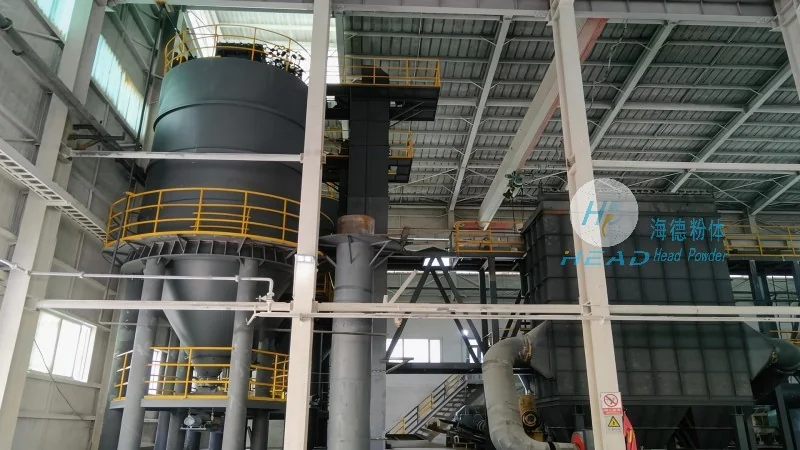
Negative Pressure Conveying Mode: Principles and Applications
Negative pressure conveying, also known as suction conveying, works by creating a vacuum in the conveying line, which draws the polypropylene resin powder from the source to the destination. This mode utilizes a vacuum pump or fan to create the necessary suction, allowing the material to be transported. Negative pressure systems are particularly advantageous for applications where the conveying line is short or where the material needs to be collected from multiple points. They are also beneficial in environments where dust control is a priority, as the system draws material into the line rather than expelling it. The main benefits of negative pressure conveying include lower energy consumption and simpler system design, as the equipment required is generally less complex than that of positive pressure systems. However, negative pressure systems have limitations in terms of conveying distance and material load capacity, as the suction force diminishes over longer distances and with larger particle sizes. This mode is often preferred for handling lighter, non-abrasive powders and for applications where the source and destination are in close proximity.
Comparison of Positive Pressure and Negative Pressure Conveying Modes
When evaluating the suitability of positive versus negative pressure conveying for polypropylene resin powder applications, several factors must be considered. The choice between the two modes depends on the specific requirements of the operation, including the distance between the source and destination, the volume of material to be transported, the characteristics of the powder (such as particle size, moisture content, and flowability), and the available space for system installation. Positive pressure systems excel in scenarios requiring long-distance transport or high material throughput, while negative pressure systems are more appropriate for short-distance or low-volume applications. In terms of energy efficiency, negative pressure systems generally consume less power, making them a cost-effective option for smaller-scale operations. However, the initial investment for positive pressure systems may be higher due to the need for more robust components like high-pressure blowers. Maintenance considerations also differ, with positive pressure systems often requiring more frequent cleaning and maintenance to prevent clogging, whereas negative pressure systems may have fewer moving parts and thus lower maintenance needs. Environmental factors, such as dust emissions and noise levels, also play a role in the decision-making process. Positive pressure systems may generate more noise and require additional dust collection measures, while negative pressure systems can be quieter and more enclosed, reducing the risk of dust dispersion. Ultimately, the optimal choice between positive and negative pressure conveying modes for polypropylene resin powder handling depends on a careful assessment of operational needs, cost considerations, and environmental regulations.
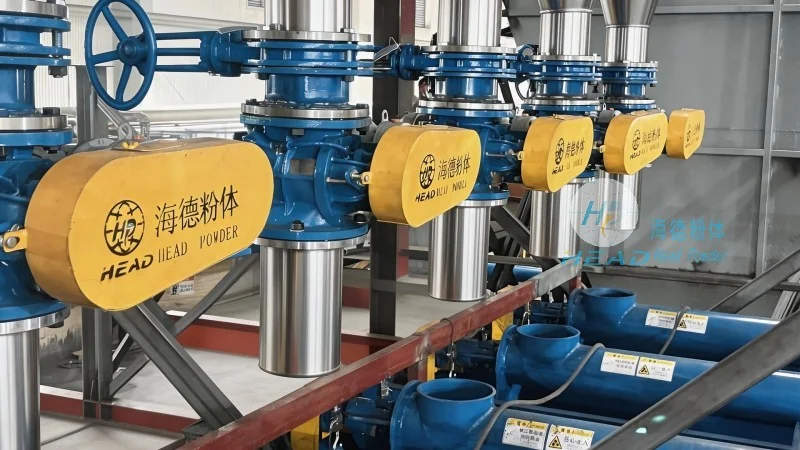
Conclusion: Selecting the Right Pneumatic Conveying Solution
Choosing the appropriate pneumatic conveying mode for polypropylene resin powder applications is a critical decision that impacts operational efficiency, product quality, and overall system performance. Positive pressure conveying offers advantages in terms of longer transport distances and higher material loads, making it suitable for large-scale industrial operations. In contrast, negative pressure conveying is ideal for shorter distances and applications where dust control and energy efficiency are primary concerns. Shandong HeadPowder Engineering Co., Ltd. provides comprehensive solutions tailored to these needs, leveraging its expertise in both positive and negative pressure systems. By understanding the specific requirements of each project, headpowder can design and implement customized pneumatic conveying systems that optimize material transport while minimizing operational costs and risks. Whether a positive or negative pressure approach is chosen, the goal is to ensure reliable, efficient, and safe handling of polypropylene resin powders, supporting the smooth operation of industrial processes and enhancing overall productivity.




