When it comes to pneumatic conveying of flour, selecting the right system is crucial for efficiency, cost-effectiveness, and product quality. The two primary methods are positive pressure and negative pressure systems. Understanding the differences and how to distinguish between them is essential for making an informed decision. This article explores the key aspects of both systems and provides guidance on how to choose the appropriate one for flour handling applications, with insights from Shandong HeadPowder Engineering Co., Ltd., a leading provider of pneumatic conveying solutions.
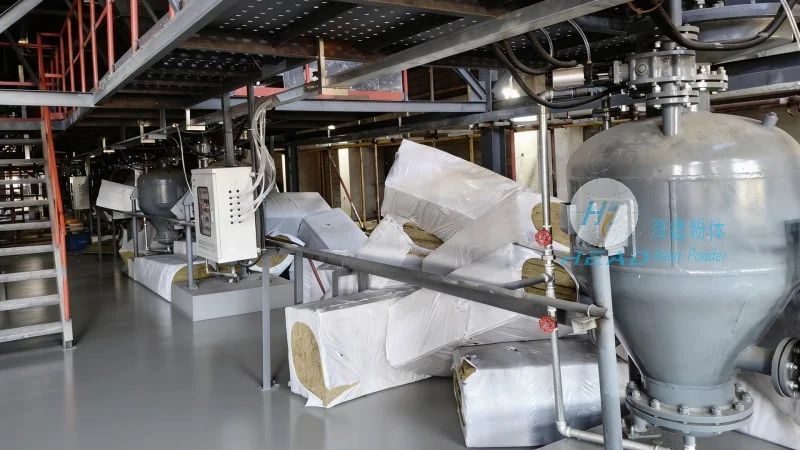
Understanding Positive Pressure Pneumatic Conveying
Positive pressure systems, also known as pressure conveyors, operate by blowing air or gas into the conveying line to move material. In this method, the conveying line is under positive pressure, meaning the pressure inside the line is higher than the ambient air pressure. This approach is typically used for conveying materials from a central point to multiple destinations or over longer distances. The positive pressure ensures that the material is pushed through the system, which can be advantageous for handling fine powders like flour, as it reduces the risk of dust accumulation and improves material flow consistency.
For flour applications, positive pressure systems are often employed when the need is to transport flour from a central silo or storage area to various processing units or packaging lines. The system can be designed with multiple discharge points, allowing for flexible distribution of the flour. The pressure differential is maintained by a blower or compressor located at the inlet of the conveying line. This setup ensures that the material is continuously pushed forward, preventing blockages and maintaining a steady flow rate. The positive pressure also helps in controlling the dust generation, as the material is enclosed within the system, minimizing exposure to the environment.
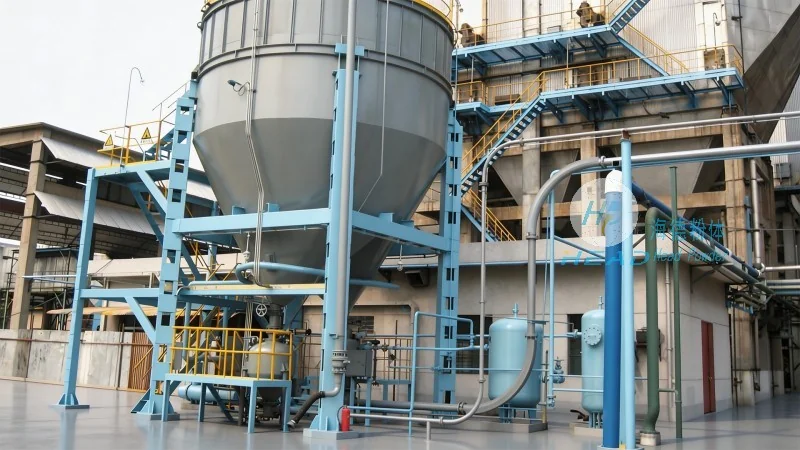
Understanding Negative Pressure Pneumatic Conveying
Negative pressure systems, or vacuum conveyors, work by creating a vacuum inside the conveying line to draw material from the source. The line operates under negative pressure, meaning the pressure inside is lower than the ambient air pressure. This method is commonly used for short-distance conveying or when the material needs to be collected from multiple points and transported to a single destination. The vacuum is created by a vacuum pump located at the inlet of the conveying line, which pulls the material through the system.
In the context of flour handling, negative pressure systems are suitable for applications where the flour is to be collected from different sources and brought to a central processing or storage area. This approach is particularly useful in environments where the material needs to be gathered from various points, such as in a warehouse or a production line with multiple feeding stations. The vacuum system ensures that the flour is drawn into the line without the need for external pressure, which can be beneficial for handling sensitive materials that might be damaged by high pressure. However, negative pressure systems may be more prone to dust and particle loss compared to positive pressure systems, as the material is exposed to the ambient air during the suction process.
Distinguishing Between Positive and Negative Pressure Systems
Differentiating between positive and negative pressure pneumatic conveying systems involves considering several key factors. The first is the direction of material flow: positive pressure pushes material forward, while negative pressure pulls it. The second is the pressure differential: positive pressure systems have higher internal pressure, and negative pressure systems have lower internal pressure. The third is the application requirements: positive pressure is ideal for long-distance or multi-point discharge, while negative pressure is better for short-distance or multi-point collection.
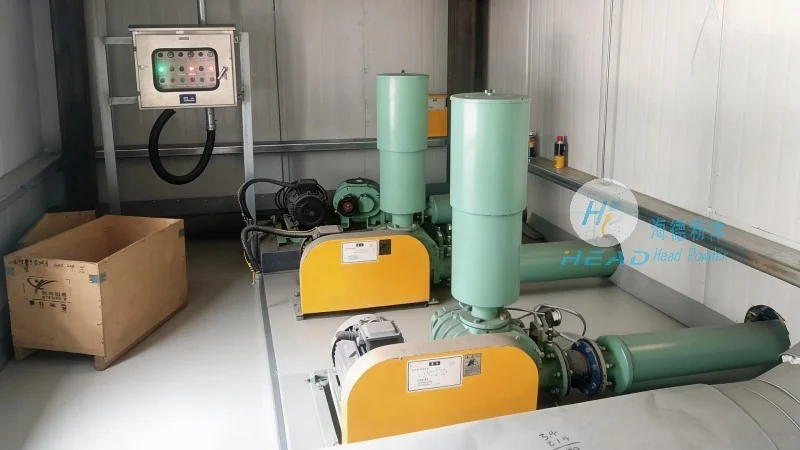
Another important factor is the equipment used. Positive pressure systems typically include a blower or compressor, while negative pressure systems use a vacuum pump. The design of the conveying line also differs, with positive pressure systems often having a closed loop with multiple discharge points, and negative pressure systems having a single inlet and multiple collection points. The choice of system also depends on the characteristics of the flour, such as particle size, moisture content, and flowability. For example, fine and dry flour may perform better in positive pressure systems due to reduced dust generation and better flow control, whereas coarser or more abrasive flour might be better suited for negative pressure systems to minimize equipment wear.
Factors to Consider When Choosing a System
When deciding between positive and negative pressure for flour pneumatic conveying, several factors should be evaluated. The first is the distance and layout of the conveying system. Positive pressure systems are generally more suitable for longer distances and complex layouts with multiple discharge points, as they can maintain consistent pressure and flow. Negative pressure systems are better for shorter distances and simpler layouts, as the vacuum pump can effectively draw material over shorter distances without significant pressure loss.




