When dealing with the transportation of hydrogen sulfide (H₂S), a highly toxic and corrosive gas, selecting the appropriate pneumatic conveying system is critical for safety, efficiency, and operational reliability. Two primary methods are commonly employed: positive pressure and negative pressure systems. Understanding the differences between these approaches and how to choose the right one is essential for industrial applications where H₂S handling is required.
Positive Pressure Pneumatic Conveying for Hydrogen Sulfide
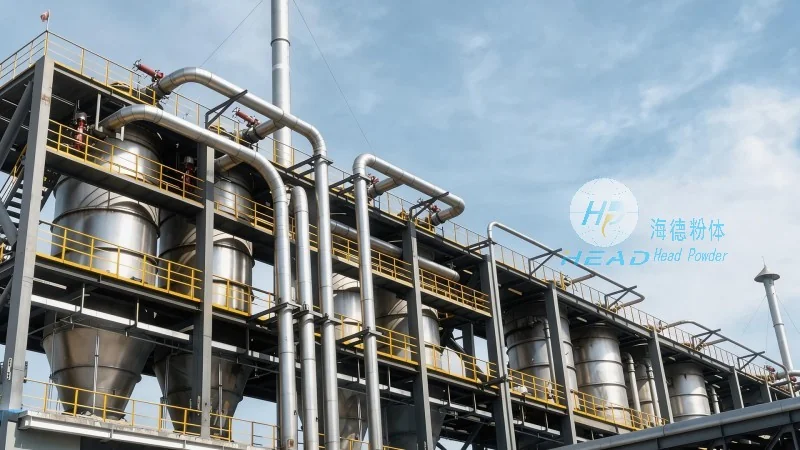
Positive pressure systems operate by blowing air or gas into the conveying line, creating a pressure higher than the ambient atmosphere. This method is often preferred for H₂S applications due to its ability to maintain a positive pressure environment, which helps prevent the gas from escaping into the surrounding air. The system typically uses a blower or compressor to generate the necessary pressure, and the material is drawn into the line as the air flows forward. For H₂S, this approach is advantageous because it reduces the risk of gas leakage and provides better control over the material flow. The equipment used in positive pressure systems includes a dust collector, a material feeder, and a conveying line, all designed to handle the corrosive nature of H₂S. The company, Shandong HeadPowder Engineering Co., Ltd., specializes in designing and manufacturing such systems, ensuring compliance with safety standards and efficient operation.
Negative Pressure Pneumatic Conveying for Hydrogen Sulfide
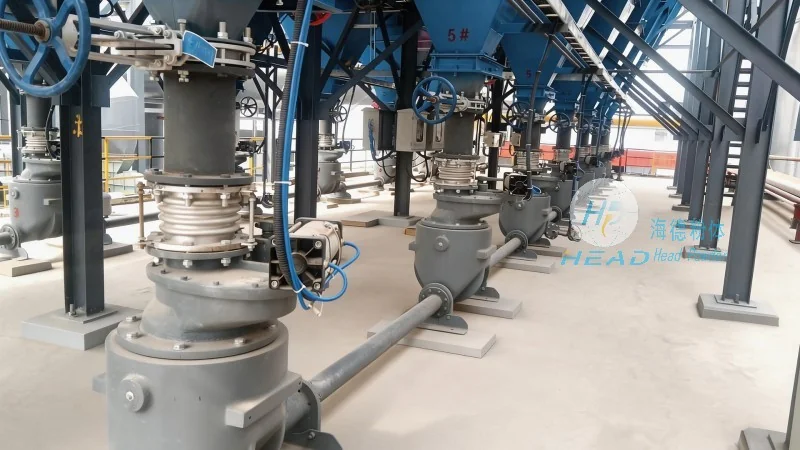
Negative pressure systems, on the other hand, create a vacuum in the conveying line, drawing the material and gas into the system from the source. This method is sometimes used for H₂S, particularly in applications where the material is being transferred from a lower elevation or where the gas needs to be contained within the system. However, negative pressure systems pose higher risks of gas leakage and require more stringent safety measures to prevent exposure. The system typically includes a vacuum pump, a material hopper, and a filter to capture any particulate matter. The choice of negative pressure depends on the specific application and the need to minimize pressure differentials. For H₂S, the negative pressure approach may be less common due to the increased safety hazards, but it is still used in certain industrial settings where the material characteristics and process requirements dictate its use.
Distinguishing Between Positive and Negative Pressure Systems
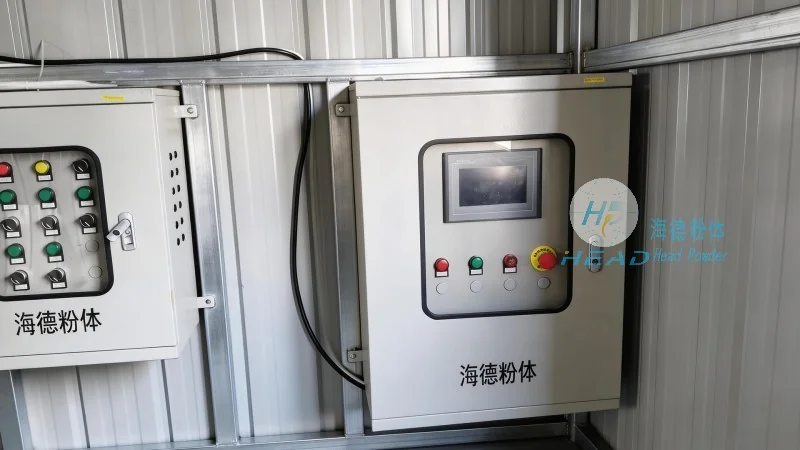
The key to selecting the right pneumatic conveying system for H₂S lies in understanding the operational requirements and safety considerations. Positive pressure systems are generally preferred for H₂S because they maintain a pressure higher than the ambient environment, reducing the risk of gas leakage and providing better control over the material flow. The equipment used in positive pressure systems is designed to handle the corrosive nature of H₂S, with materials such as stainless steel or specialized coatings used to prevent corrosion. The company, HeadPowder, offers a range of positive pressure systems tailored to H₂S applications, ensuring that the equipment is durable and safe for long-term operation.
Factors to Consider When Choosing a System
When deciding between positive and negative pressure for H₂S pneumatic conveying, several factors must be considered. The first is the material characteristics, including particle size, density, and moisture content. Larger or heavier particles may require higher pressure in a positive system to ensure efficient transport. The second factor is the distance and elevation changes between the source and destination. Positive pressure systems are more suitable for longer distances and significant elevation changes, as they can maintain the necessary pressure throughout the line. The third factor is safety regulations and environmental considerations. Positive pressure systems are generally more compliant with safety standards due to their enclosed and pressurized design, which reduces the risk of H₂S exposure. The company, Shandong HeadPowder Engineering Co., Ltd., provides expert consultation to help clients evaluate these factors and choose the optimal system for their specific needs.
Conclusion
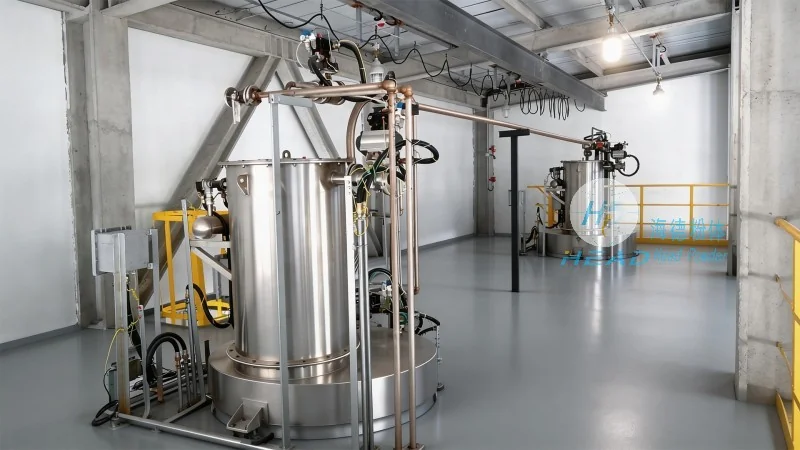
Choosing between positive pressure and negative pressure for hydrogen sulfide pneumatic conveying requires a careful assessment of operational requirements, safety considerations, and material characteristics. Positive pressure systems are typically preferred for H₂S applications due to their ability to maintain a safe, enclosed environment and reduce the risk of gas leakage. The company, HeadPowder, specializes in designing and manufacturing high-quality positive pressure systems that meet the stringent requirements of H₂S handling. By understanding the differences between these systems and considering the specific needs of the application, industrial facilities can select the most appropriate pneumatic conveying solution to ensure safe and efficient operation. The company is based in Shandong, China, and offers comprehensive solutions for H₂S handling, including system design, installation, and maintenance services.




