

What is a Glucose Material Pneumatic Conveying Equipment? And What Are Its Design Principles?
Glucose, a vital carbohydrate widely used in the food, pharmaceutical, and chemical industries, often requires efficient and reliable transportation from production sites to processing or packaging areas. Traditional methods like manual handling or mechanical conveyors may not be sufficient for handling glucose powders, especially when dealing with large volumes or when maintaining product purity and consistency is critical. This is where specialized equipment like the glucose material pneumatic conveying system comes into play, offering a solution that combines efficiency, hygiene, and flexibility.
Understanding Pneumatic Conveying Systems for Glucose Materials
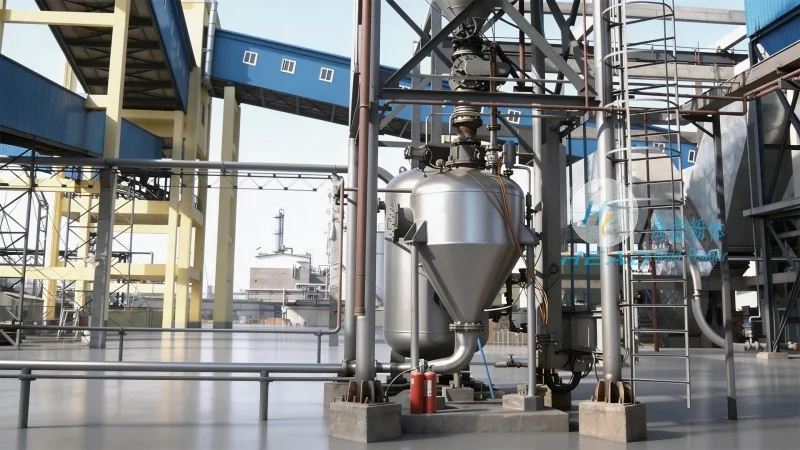
Pneumatic conveying, or air-powered transport, is a technology that uses pressurized or suction air to move bulk materials through a pipeline. In the context of glucose materials, which are often fine powders with specific flow characteristics, this method provides an ideal solution for safe and effective transportation. The system typically consists of a feeding hopper, a conveying line, a control valve, and a discharge point, all working in tandem to ensure smooth material flow.
The Core Components and Their Functions in Glucose Pneumatic Conveying Equipment
The design of a glucose material pneumatic conveying system is built around several key components, each playing a crucial role in the overall operation. The feeding hopper is responsible for storing and metering the glucose powder, ensuring a consistent flow into the conveying line. This component often includes a rotary valve or a star feeder to control the material discharge rate, preventing clogging and maintaining uniformity. The conveying line, usually made of stainless steel or other corrosion-resistant materials, is designed to withstand the abrasive nature of glucose powders and to maintain hygiene standards required in food and pharmaceutical applications. The control valve, often a rotary or slide valve, regulates the air pressure and flow rate, allowing for precise control over the conveying speed and material quantity. Finally, the discharge point, which may include a filter or a dust collector, ensures that the glucose material is safely and cleanly discharged into the next processing stage, minimizing dust emissions and maintaining product quality.
Design Principles Behind Glucose Pneumatic Conveying Systems
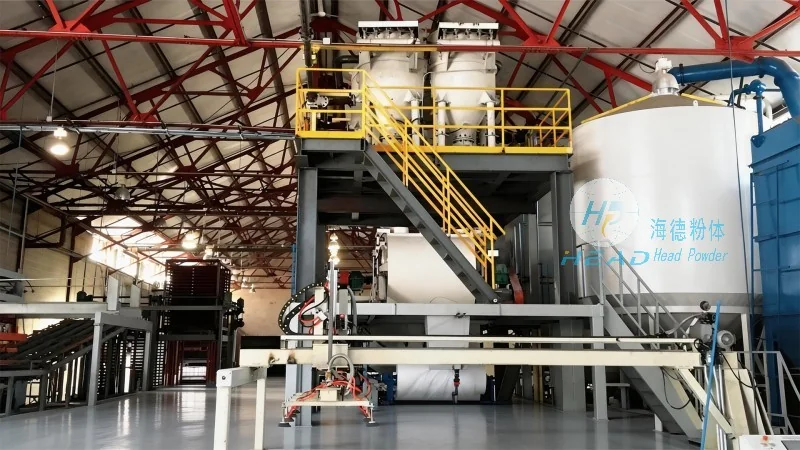
The design principles of glucose material pneumatic conveying equipment are centered on several key factors that ensure optimal performance and reliability. First, the system must be designed to handle the specific physical properties of glucose powders, such as particle size, moisture content, and flowability. These properties influence the choice of conveying method—whether it's a dilute phase (where the material is suspended in air) or a dense phase (where the material is more concentrated). For glucose, a dilute phase system is often preferred as it allows for higher conveying speeds and lower energy consumption, while still maintaining the integrity of the material. Second, the system must adhere to strict hygiene and sanitation standards, as glucose is commonly used in food and pharmaceutical applications. This includes the use of stainless steel components, easy-to-clean surfaces, and sealed connections to prevent contamination. Third, the design must consider the need for flexibility and scalability, allowing the system to be adapted to different production volumes and processing requirements. This may involve modular components that can be easily added or removed to adjust the conveying capacity. Finally, the system must be energy-efficient and cost-effective, balancing the initial investment with long-term operational costs. This involves optimizing the air pressure and flow rate to minimize energy consumption while ensuring reliable material transport.
Applications and Benefits of Glucose Pneumatic Conveying Equipment
The glucose material pneumatic conveying system finds wide applications across various industries, particularly in the food and pharmaceutical sectors. In the food industry, it is used to transport glucose powders from storage silos to mixing or packaging lines, ensuring a continuous and hygienic supply of raw materials. In the pharmaceutical industry, the system is crucial for transporting glucose powders used in the production of medications, where contamination control and product purity are paramount. The benefits of using such a system include improved efficiency in material handling, reduced labor costs, and enhanced product quality due to the minimal exposure of the material to external contaminants. Additionally, the system offers flexibility in terms of layout, as the conveying line can be arranged in various configurations to fit the specific space constraints of a facility. This adaptability makes it a preferred choice for both new and existing production lines.
Company Profile: Shandong HeadPowder Engineering Co., Ltd.
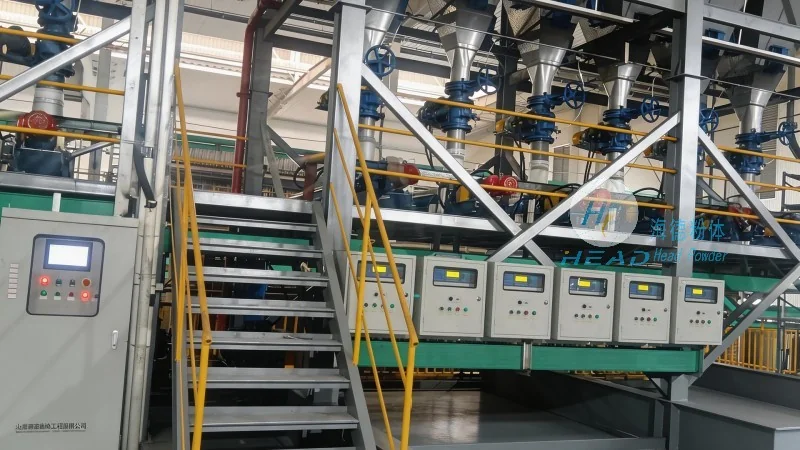
Headpowder, or Shandong HeadPowder Engineering Co., Ltd., is a leading manufacturer specializing in the design and production of pneumatic conveying equipment for various bulk materials, including glucose. With a strong focus on innovation and quality, the company has established itself as a trusted partner in the industry, providing customized solutions that meet the specific needs of its clients. Headpowder's expertise lies in understanding the unique properties of different materials and designing systems that optimize performance, efficiency, and reliability. The company's facilities are equipped with advanced technology and skilled personnel, ensuring that each product meets the highest standards of quality and safety. Headpowder's commitment to customer satisfaction and continuous improvement has made it a preferred choice for businesses seeking reliable and efficient material handling solutions.
Conclusion: The Importance of Specialized Glucose Pneumatic Conveying Equipment
In conclusion, the glucose material pneumatic conveying equipment is a critical component in the efficient and safe handling of glucose powders in various industries. Its design principles, centered on material properties, hygiene standards, and operational efficiency, ensure that it meets the demanding requirements of modern production processes. By leveraging the expertise of companies like Shandong HeadPowder Engineering Co., Ltd., industries can achieve optimal performance, reduced costs, and enhanced product quality. As the demand for efficient material handling solutions continues to grow, the role of specialized pneumatic conveying systems in the glucose industry will only become more significant, driving further innovation and advancement in the field.