When it comes to transporting borax granules, selecting the right pneumatic conveying system is crucial for efficiency, cost-effectiveness, and operational safety. Two primary types of systems are commonly considered: positive pressure and negative pressure. Understanding the differences between these systems and how to choose the appropriate one for your specific application is essential for optimizing material handling processes. This article will explore the key aspects of both positive and negative pressure pneumatic conveying, helping you make an informed decision for your borax granule transport needs.
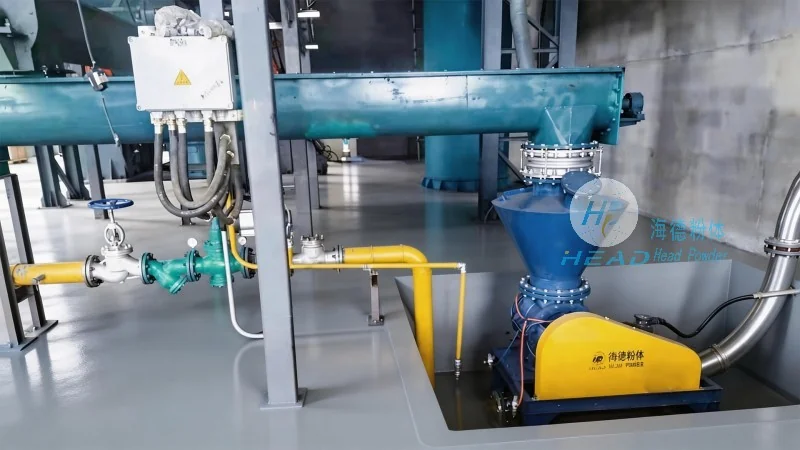
About HeadPowder: Your Expert in Material Handling Solutions
HeadPowder, a leading provider of engineering solutions for bulk material handling, specializes in designing and implementing efficient pneumatic conveying systems. With years of experience in the industry, HeadPowder has developed a deep understanding of the unique challenges associated with transporting borax granules. Our team of experts works closely with clients to assess their specific requirements and recommend the most suitable conveying system, whether it's a positive pressure or negative pressure solution. Based in Shandong, China, HeadPowder leverages its local expertise and global knowledge to deliver high-quality, reliable material handling solutions tailored to the needs of the chemical and industrial sectors.
What is Pneumatic Conveying?
Pneumatic conveying is a method of transporting bulk materials, such as granules, powders, or pellets, using air or gas as the conveying medium. The system consists of a series of components, including a hopper, a conveyor line, and a receiver, all connected to a pressure or vacuum source. The material is introduced into the system and carried along the conveyor line by the air flow. Pneumatic conveying offers several advantages over traditional mechanical conveying, including reduced equipment wear, lower maintenance costs, and the ability to transport materials over long distances without the need for multiple transfer points.
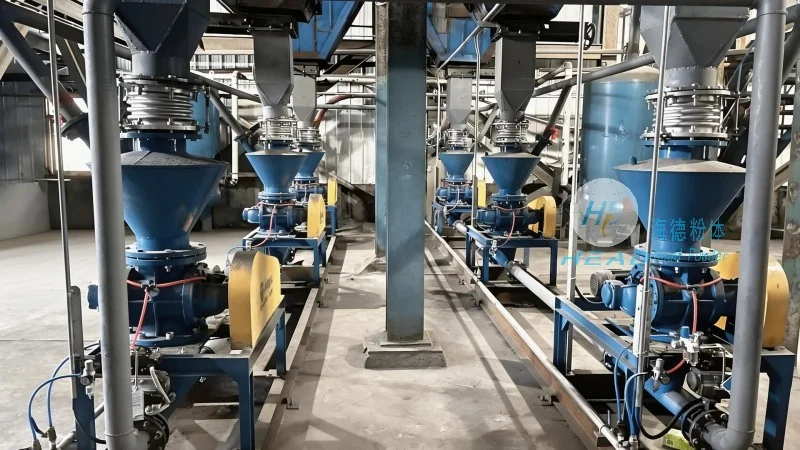
Positive Pressure Pneumatic Conveying
Positive pressure pneumatic conveying systems operate by blowing air or gas into the conveying line, creating a pressure higher than the ambient air pressure. The material is drawn into the system by the pressure differential and transported to the receiver. This type of system is often preferred for applications where the material is sensitive to moisture or contamination, as the sealed system prevents external air from entering and the material from escaping. Positive pressure systems are also suitable for transporting materials over long distances or through complex layouts, as the pressure can be maintained throughout the entire system.
Negative Pressure Pneumatic Conveying
Negative pressure pneumatic conveying systems, also known as vacuum conveying, operate by creating a vacuum in the conveying line, which draws the material into the system. The material is then carried along the line by the air flow and deposited into the receiver. Negative pressure systems are typically used for shorter distances or when the material is light and easy to lift. They are also suitable for applications where the material is dusty or has a tendency to create a mess, as the sealed system prevents dust from escaping into the environment. However, negative pressure systems may require more maintenance and are less efficient for long-distance transport compared to positive pressure systems.
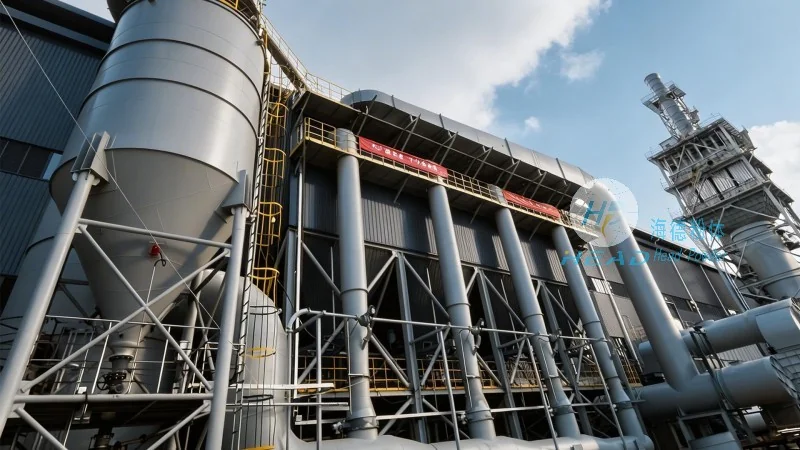
Distinguishing Between Positive and Negative Pressure Systems
Choosing between positive and negative pressure pneumatic conveying for borax granules depends on several factors, including the material's properties, the distance to be covered, the layout of the facility, and the desired level of control. Here are some key factors to consider when making your decision:
- Material Properties: Borax granules are typically dry and free-flowing, but they can be dusty and have a tendency to create static electricity. Positive pressure systems are better suited for materials that are sensitive to moisture or contamination, as the sealed system prevents external air from entering and the material from escaping. Negative pressure systems may be more suitable for materials that are light and easy to lift, as the vacuum can effectively draw the material into the system.
- Transport Distance: Positive pressure systems are generally more efficient for long-distance transport, as the pressure can be maintained throughout the entire system. Negative pressure systems are better for shorter distances or when the material is being transported from a single source to a single destination.
- Facility Layout: The layout of the facility, including the location of the hopper, conveyor line, and receiver, can influence the choice of system. Positive pressure systems are often preferred for complex layouts, as the pressure can be maintained even when the system is branched or has multiple transfer points. Negative pressure systems may be more suitable for simple layouts, as the vacuum can be easily maintained.
- Control and Safety: Positive pressure systems offer better control over the material flow, as the pressure can be adjusted to regulate the speed of the material. Negative pressure systems may require more monitoring to ensure that the vacuum is maintained and that the material is not being drawn into the system at an excessive rate. Both systems have safety considerations, but positive pressure systems are generally considered safer for handling hazardous materials, as the sealed system prevents external air from entering and the material from escaping.
Conclusion: Making the Right Choice for Your Borax Granule Transport
Choosing between positive and negative pressure pneumatic conveying for borax granules requires careful consideration of the material's properties, the transport distance, the facility layout, and the desired level of control. Positive pressure systems offer advantages in terms of efficiency and control, making them suitable for long-distance transport and complex layouts. Negative pressure systems are more suitable for shorter distances and simpler layouts, and are better for materials that are light and easy to lift. By understanding the differences between these systems and how to distinguish between them, you can make an informed decision that optimizes your material handling process and ensures the safe and efficient transport of borax granules.




