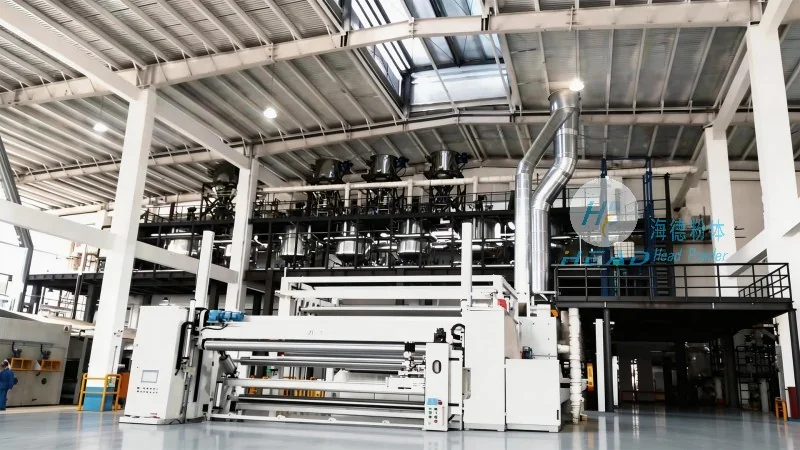
For industrial applications involving the handling of polyvinyl butyral (PVB), selecting the appropriate pneumatic conveying system is crucial for efficiency, safety, and operational reliability. PVB, a versatile polymer widely used in automotive glazing and other specialized applications, requires systems that can manage its unique physical and chemical properties. This article provides a technical analysis of PVB pneumatic conveying systems, focusing on the comparison between positive pressure and negative pressure conveying modes. The discussion will explore the operational principles, advantages, and limitations of each approach, helping engineers and industry professionals make informed decisions for their specific PVB handling needs.
Introduction to PVB and Pneumatic Conveying Systems
Polyvinyl butyral (PVB) is a polymer known for its excellent optical clarity, adhesion properties, and resistance to UV radiation, making it a critical component in safety glass and other optical products. When handling PVB, industrial processes often rely on pneumatic conveying systems to transport the material from storage to processing units. Pneumatic conveying uses air or gas to move bulk materials through a pipeline, offering advantages such as dust control, reduced material degradation, and the ability to transport materials over long distances without mechanical contact. However, the choice between positive and negative pressure systems significantly impacts system design, energy consumption, and operational safety.
Positive Pressure Conveying Mode
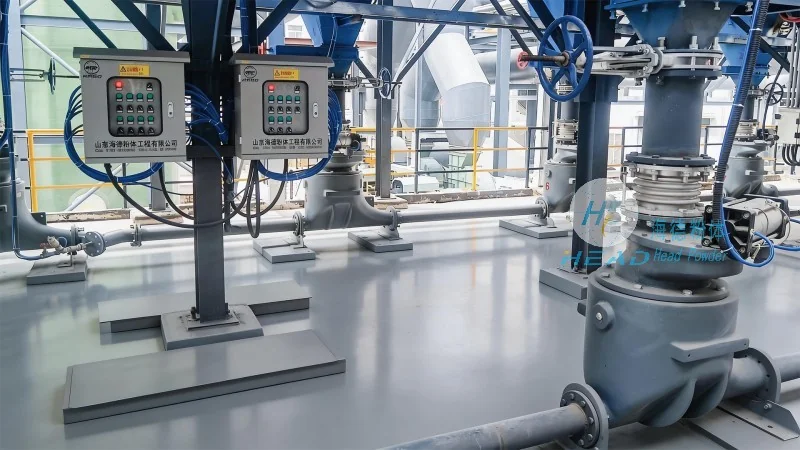
Positive pressure conveying systems operate by blowing air or gas into the conveying line, creating a pressure higher than the ambient air pressure. This method pushes the material forward through the pipeline. For PVB applications, positive pressure systems are often preferred when the material is to be transported from a central storage point to multiple processing locations, as the system can deliver material to several destinations from a single source. The primary advantage of positive pressure is its ability to handle abrasive or sensitive materials like PVB without causing excessive wear or degradation. Additionally, positive pressure systems are generally easier to install and maintain, as they do not require complex vacuum equipment. However, they may consume more energy compared to negative pressure systems, especially when transporting materials over long distances or through high-resistance pipelines.
Negative Pressure Conveying Mode
Negative pressure conveying, also known as vacuum conveying, operates by creating a vacuum in the conveying line, drawing material from the source into the system. This method is particularly suitable for PVB when the material needs to be collected from multiple points and transported to a central processing unit. The vacuum system can efficiently gather material from various locations, making it ideal for applications where the material is scattered or stored in different containers. One of the key benefits of negative pressure is its lower energy consumption for short to medium-distance transport, as the system only needs to overcome the resistance of the material and pipeline. However, negative pressure systems may be more complex to design and maintain, as they require robust vacuum pumps and careful sealing to prevent air leakage, which could compromise material integrity or system efficiency.
Comparison of Positive and Negative Pressure Systems for PVB
When comparing positive and negative pressure conveying modes for PVB, several factors must be considered, including material characteristics, system distance, energy efficiency, and operational complexity. Positive pressure systems excel in scenarios where high material flow rates are required and where the system needs to deliver material to multiple destinations. They are less prone to material degradation due to the absence of vacuum-induced stress on the material particles. Conversely, negative pressure systems are advantageous for collecting PVB from dispersed sources and for applications requiring lower energy consumption. However, negative pressure may lead to higher maintenance costs due to the need for vacuum components and potential issues with air leakage affecting material quality. The choice between the two modes also depends on the specific PVB formulation and processing requirements, as some PVB grades may be more sensitive to pressure differentials or air exposure.
Key Considerations for PVB Pneumatic Conveying System Design
Designing an effective PVB pneumatic conveying system involves careful consideration of several technical aspects. First, the material's flow properties, such as bulk density, particle size distribution, and cohesive behavior, must be analyzed to determine the appropriate conveying velocity and system pressure. For PVB, which can be prone to agglomeration, ensuring adequate fluidization and preventing blockages are critical. Second, the system's pressure drop across the pipeline must be minimized to reduce energy consumption and maintain material transport efficiency. This may involve selecting appropriate pipeline diameters, using smooth internal surfaces, and incorporating airlocks or cyclones to separate material from air. Third, the choice of air or gas (e.g., nitrogen) as the conveying medium is important, as it affects material stability and system safety. For PVB, which may be sensitive to oxygen, using inert gases can prevent oxidation and maintain material quality. Finally, the system's integration with downstream processing equipment, such as mixers or extruders, must be considered to ensure seamless material transfer and avoid contamination.
Case Study: Application of Positive Pressure System in PVB Handling
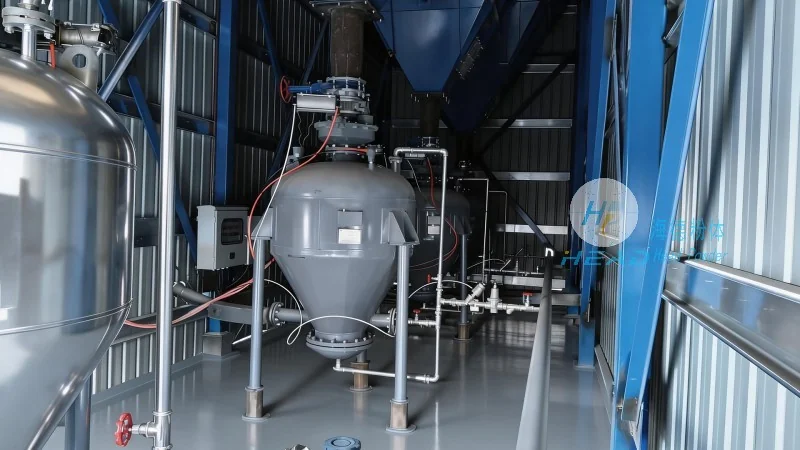
A case study from Shandong HeadPowder Engineering Co., Ltd. illustrates the successful implementation of a positive pressure pneumatic conveying system for PVB. The system was designed to transport PVB from a bulk storage silo to a series of processing lines in an automotive glass manufacturing plant. The positive pressure system, equipped with high-efficiency blowers and a well-designed pipeline network, achieved a material flow rate of 10 tons per hour with minimal degradation. The system's ability to deliver material to multiple destinations from a single source reduced the need for separate conveying lines, saving space and operational costs. The positive pressure mode also provided better control over material moisture content, as the system could maintain consistent air flow and temperature. The case study highlights the effectiveness of positive pressure systems in large-scale PVB handling, where high throughput and material integrity are paramount.
Case Study: Application of Negative Pressure System in PVB Handling
Another case study from Shandong HeadPowder Engineering Co., Ltd. demonstrates the application of a negative pressure system for PVB collection from multiple storage bins. The system was used to gather PVB from several storage containers scattered across a factory floor and transport it to a central mixing unit. The negative pressure system, utilizing a vacuum pump and a network of collection hoppers, achieved a collection efficiency of over 95% with low energy consumption. The vacuum design allowed for gentle material handling, preventing the agglomeration of PVB particles and maintaining their optical clarity. The system's flexibility in collecting material from various sources made it ideal for adapting to changing production schedules or material storage arrangements. The case study underscores the benefits of negative pressure systems in scenarios where material is dispersed and requires centralized collection, offering a cost-effective solution for PVB handling.
Conclusion and Recommendations
In conclusion, the choice between positive and negative pressure pneumatic conveying modes for PVB depends on the specific operational requirements, material characteristics, and system constraints. Positive pressure systems are generally more suitable for high-throughput, long-distance transport and multiple destination delivery, offering better material protection and lower maintenance complexity. Negative pressure systems excel in material collection from dispersed sources and require lower energy consumption for short to medium distances. When designing a PVB pneumatic conveying system, engineers should consider factors such as material flow properties, system distance, energy efficiency, and operational safety. Consulting with specialized engineering firms, such as Shandong HeadPowder Engineering Co., Ltd., based in China, can provide tailored solutions that optimize performance and meet industry standards. By carefully evaluating the pros and cons of each mode, industries can select the most appropriate pneumatic conveying system to ensure efficient, safe, and reliable handling of PVB in their processes.




