

What is a Wood Chip Material Pneumatic Conveying System? And What Are Its Design Principles?
For industries dealing with wood chips, efficient material handling is crucial. A wood chip material pneumatic conveying system offers a reliable solution for transporting these materials from one location to another. This system utilizes air pressure to move the wood chips through a pipeline, eliminating the need for traditional mechanical conveyors. The design of such a system is tailored to handle the specific characteristics of wood chips, ensuring optimal performance and minimal maintenance.
Key Components of a Pneumatic Conveying System
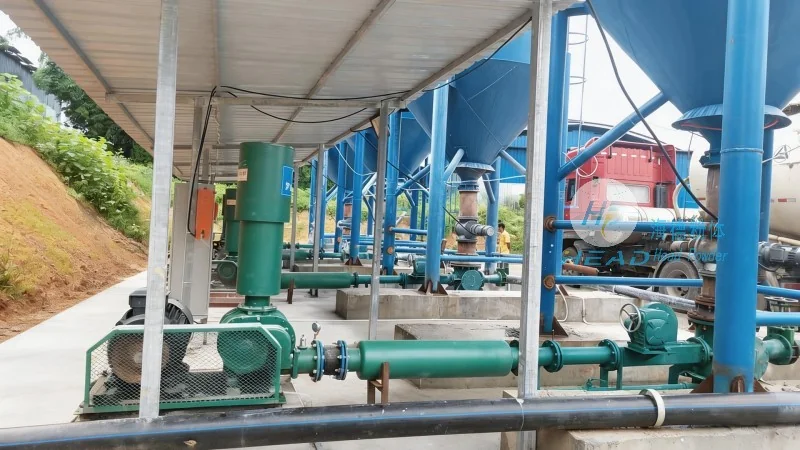
At the core of a wood chip pneumatic conveying system are several key components that work in tandem to facilitate material transport. The system typically includes a material feeder, which is responsible for feeding the wood chips into the conveying line. The feeder must be designed to handle the bulk density and flow characteristics of wood chips, ensuring a consistent feed rate. Next, the conveying line itself, often made of stainless steel or other corrosion-resistant materials, is where the wood chips travel under pressure. The line may include bends, expansions, and contractions to navigate the path from the source to the destination. A pressure vessel or receiver is also a critical component, where the wood chips are collected and stored before being discharged. Finally, the system includes a blower or compressor that generates the air pressure needed to move the material. The choice of blower type—such as rotary lobe or positive displacement—depends on the system's capacity and the specific requirements of the wood chip material.
Design Principles for Optimal Performance
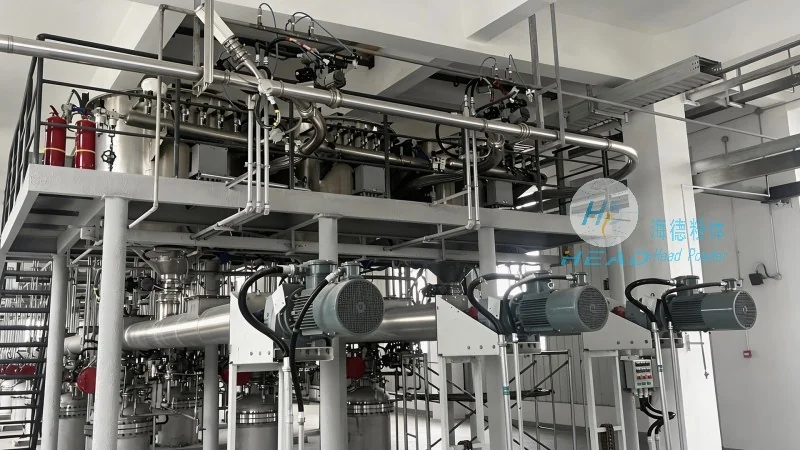
The design of a wood chip material pneumatic conveying system follows several fundamental principles to ensure efficiency and reliability. First, the system must be designed to handle the varying moisture content and bulk density of wood chips. Wood chips can have different moisture levels, which affect their flowability and the air pressure required for transport. The system's design should account for these variations to maintain consistent performance. Second, the conveying line's diameter and length are critical factors. A larger diameter reduces pressure drop and improves material flow, while a longer line may require additional boosters or larger blower capacity to maintain sufficient pressure. The system's design also considers the velocity of the air, as excessive velocity can cause wear on the conveying line and increase energy consumption. Engineers use computational fluid dynamics (CFD) and empirical formulas to determine the optimal air velocity and line dimensions for a given application. Third, the system must be equipped with proper controls and monitoring systems. These include pressure sensors, flow meters, and control valves that allow operators to adjust the system's parameters in real-time. This ensures that the system operates within safe and efficient parameters, preventing overloading or underperformance.
Advantages of Pneumatic Conveying for Wood Chips
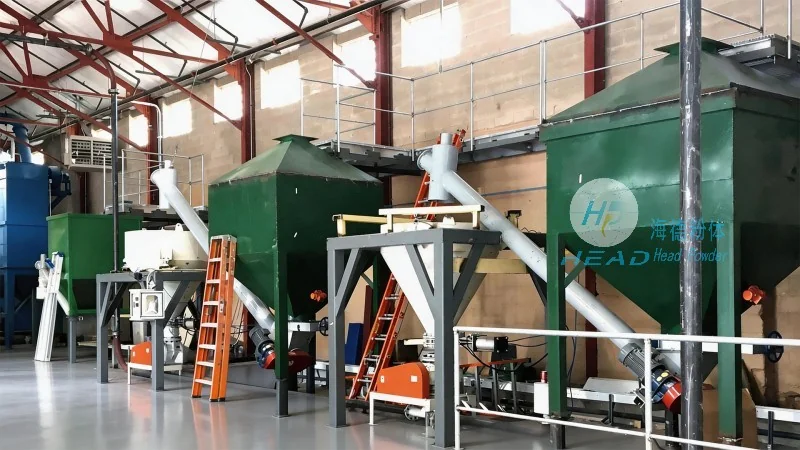
Compared to traditional mechanical conveyors, a wood chip material pneumatic conveying system offers several advantages. First, it is a closed system, which helps to contain dust and prevent contamination of the wood chips. This is particularly important for applications where the wood chips are used in food processing or other industries where hygiene is critical. Second, the system is flexible and can be easily reconfigured to accommodate changes in the production process. The conveying line can be extended or re-routed without major modifications, making it suitable for dynamic production environments. Third, the system is relatively low-maintenance compared to mechanical conveyors, which often require regular lubrication and part replacement. The absence of moving parts in the conveying line reduces wear and tear, leading to lower maintenance costs and longer system life. Fourth, the system can handle a wide range of wood chip sizes and shapes, from fine sawdust to larger chips. This versatility makes it suitable for various applications, including pellet production, biomass energy generation, and wood processing facilities.
Applications in the Wood Industry
The wood chip material pneumatic conveying system is widely used in various applications within the wood industry. One of the most common applications is in biomass power plants, where wood chips are transported from storage to the boiler for combustion. The system ensures a continuous and reliable supply of fuel, which is essential for maintaining the plant's operation. Another application is in pellet mills, where wood chips are conveyed to the pelletizing equipment. The system's ability to handle fine wood particles is crucial for producing high-quality pellets. Additionally, the system is used in wood processing facilities for transporting wood chips from the debarking and chipping stages to the storage or processing areas. The system's efficiency and reliability make it an ideal choice for these applications, as it helps to streamline the production process and improve overall productivity.
Customization and Integration with Existing Systems
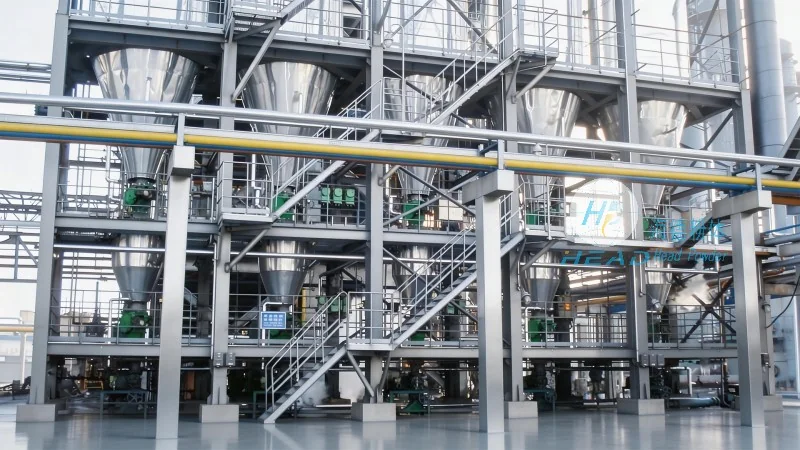
Shandong HeadPowder Engineering Co., Ltd. specializes in designing and manufacturing customized wood chip material pneumatic conveying systems to meet the specific needs of their clients. The company's engineers work closely with clients to understand their production requirements, material characteristics, and operational constraints. Based on this information, they design a system that is optimized for performance and cost-effectiveness. The systems are manufactured using high-quality materials and components, ensuring durability and long service life. The company also provides integration services, where the new pneumatic conveying system is integrated with existing production equipment. This ensures a smooth transition and minimal disruption to the client's operations. The company's commitment to quality and customer satisfaction has made it a trusted partner in the wood industry, with clients in China and around the world relying on their expertise for material handling solutions.