

PTA Powder Material Pneumatic Conveying Line: Understanding Its Function and Design Principles
PTA (Polyethylene Terephthalate Acid) powder is a critical raw material in the production of polyester fibers and resins. The efficient and reliable transport of PTA powder from storage to processing units is essential for maintaining production efficiency and product quality. PTA powder material pneumatic conveying lines are specialized systems designed to handle this task, offering a solution that minimizes material degradation and ensures consistent flow rates. This article explores what PTA powder material pneumatic conveying lines are and delves into the fundamental design principles that underpin their operation.
What is a PTA Powder Material Pneumatic Conveying Line?
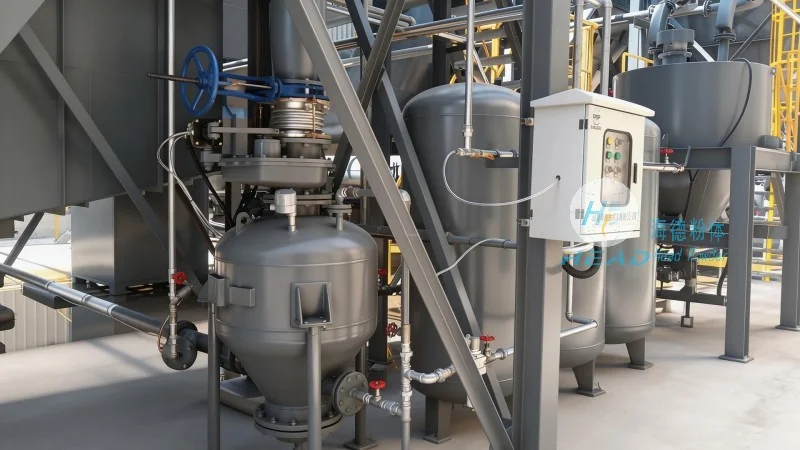
A PTA powder material pneumatic conveying line is a closed system that uses compressed air or other gases to transport PTA powder from a source, such as a storage silo or hopper, to a destination, like a reactor or processing unit. Unlike traditional mechanical conveying methods, which rely on belts, screws, or buckets, pneumatic conveying employs the force of air to move the material through pipes. This approach is particularly advantageous for PTA powder due to its fine particle size and sensitivity to moisture and contamination. The system typically consists of several key components, including a hopper, a feeder, a conveying line, and a receiver, all working in tandem to ensure smooth and controlled material transfer.
Key Components of a PTA Powder Material Pneumatic Conveying Line
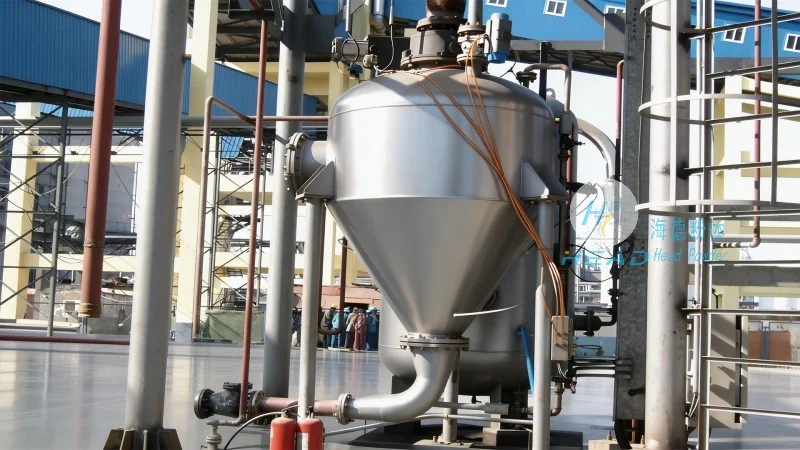
The effectiveness of a PTA powder material pneumatic conveying line depends heavily on the integration and proper functioning of its components. The hopper serves as the storage vessel, holding the PTA powder in a controlled environment. It is designed with a conical bottom to facilitate uniform discharge. The feeder, often a rotary valve or a vibratory feeder, regulates the flow of powder from the hopper into the conveying line. This component is critical for maintaining consistent material feed rates, which directly impacts the overall efficiency of the system. The conveying line itself is made of materials resistant to PTA powder corrosion and abrasion, such as stainless steel or specialized polymers. The line is equipped with elbows, tees, and other fittings to direct the powder along the desired path. The receiver, typically a storage or processing vessel, collects the PTA powder at the end of the conveying line. It may include a dust collection system to prevent particle loss and maintain air quality.
Design Principles for PTA Powder Material Pneumatic Conveying Lines
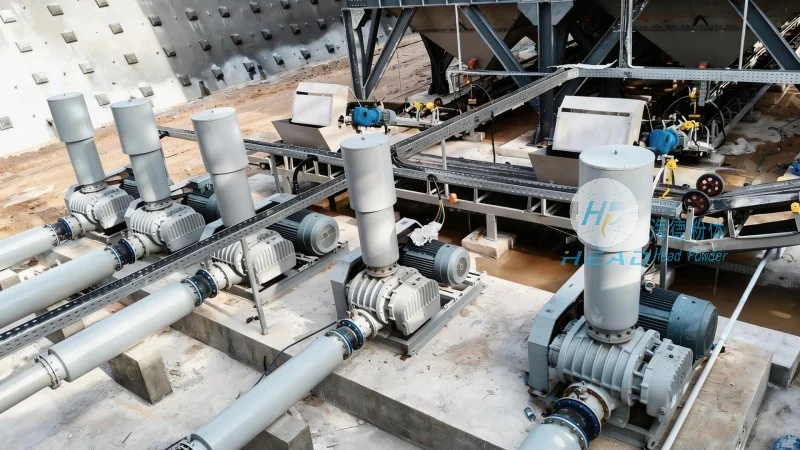
The design of a PTA powder material pneumatic conveying line is guided by several key principles to ensure optimal performance, safety, and longevity. One of the primary principles is the selection of appropriate air velocity. The air velocity must be high enough to overcome the gravitational and frictional forces acting on the PTA powder particles but low enough to prevent excessive wear on the conveying line and minimize particle degradation. Engineers often use the "critical velocity" concept, which is the minimum air velocity required to keep the powder suspended and moving through the line. Another critical design principle is the system's pressure and flow rate management. The system operates under either positive pressure (where air is forced through the line) or negative pressure (where air is drawn through the line). Positive pressure systems are common for PTA powder conveying as they provide better control over material flow and reduce the risk of contamination. The design also considers the particle size distribution of the PTA powder, as larger particles may require higher air velocities to remain suspended. Additionally, the system's layout and the placement of components are carefully planned to minimize pressure drops and ensure uniform flow. This involves optimizing the length and diameter of the conveying line, as well as the angle of the line to account for gravitational effects.
Advantages of PTA Powder Material Pneumatic Conveying Lines
Implementing a PTA powder material pneumatic conveying line offers several advantages over traditional conveying methods. First, it eliminates the need for mechanical components that can cause wear and tear or introduce contaminants into the PTA powder. This reduces maintenance costs and extends the lifespan of the system. Second, pneumatic conveying provides a more hygienic and controlled environment, which is crucial for PTA powder, which is used in food and beverage applications as well as in the production of high-quality polyester products. The closed system prevents exposure to dust and moisture, maintaining the purity of the material. Third, the system allows for flexible and scalable solutions. It can be easily expanded or reconfigured to accommodate changes in production capacity or process requirements. Finally, pneumatic conveying enables faster and more efficient material transfer, reducing downtime and improving overall production throughput.
Applications and Industries Using PTA Powder Material Pneumatic Conveying Lines
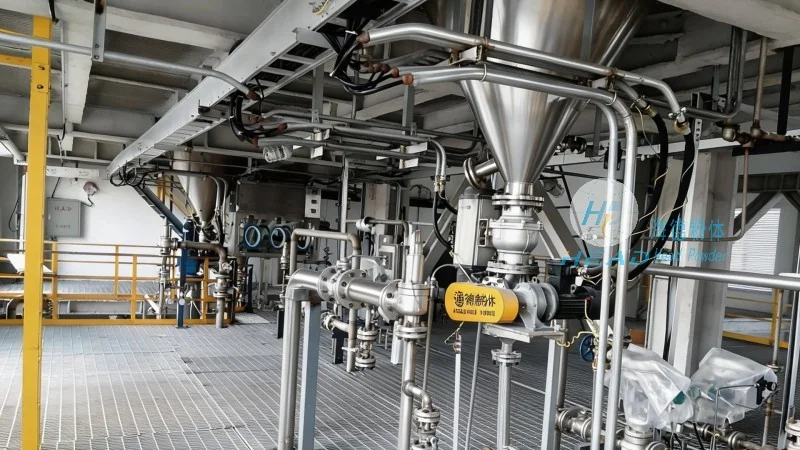
PTA powder material pneumatic conveying lines are widely used in various industries that rely on PTA as a raw material. The most prominent application is in the polyester industry, where PTA is used to produce polyester fibers and resins for textiles, packaging, and automotive parts. In this sector, the conveying line is integrated into the production line, transporting PTA from storage to the polymerization reactors. Other industries that benefit from such systems include the chemical industry, where PTA is used in the production of other chemicals, and the pharmaceutical industry, where PTA is used in the formulation of certain drugs. The versatility of the pneumatic conveying system makes it suitable for a wide range of applications, from small-scale laboratory operations to large-scale industrial production.
Conclusion
In conclusion, PTA powder material pneumatic conveying lines are sophisticated systems that play a vital role in the efficient handling of PTA powder. By leveraging the principles of pneumatic transport, these systems ensure the safe, clean, and reliable transfer of PTA from storage to processing units. The design and integration of components, such as hoppers, feeders, and conveying lines, are critical to the system's performance. As industries continue to demand higher production efficiency and product quality, the importance of well-designed PTA powder material pneumatic conveying lines will only grow. Companies like Shandong HeadPowder Engineering Co., Ltd., based in China, specialize in the design and manufacturing of such systems, providing tailored solutions to meet the unique needs of their clients. With their expertise and commitment to quality, they help industries optimize their PTA powder handling processes and enhance overall operational performance.