

What is a Ceramic Powder Pneumatic Conveying System? What are its Design Principles?
A ceramic powder pneumatic conveying system is a specialized industrial equipment designed to transport fine ceramic powders through a pipeline using compressed air or other gas as the conveying medium. This technology is widely used in the ceramic manufacturing industry due to its efficiency, cleanliness, and ability to handle delicate materials without causing contamination or degradation. The system typically consists of several key components that work together to ensure reliable and continuous material transport from the source to the destination.
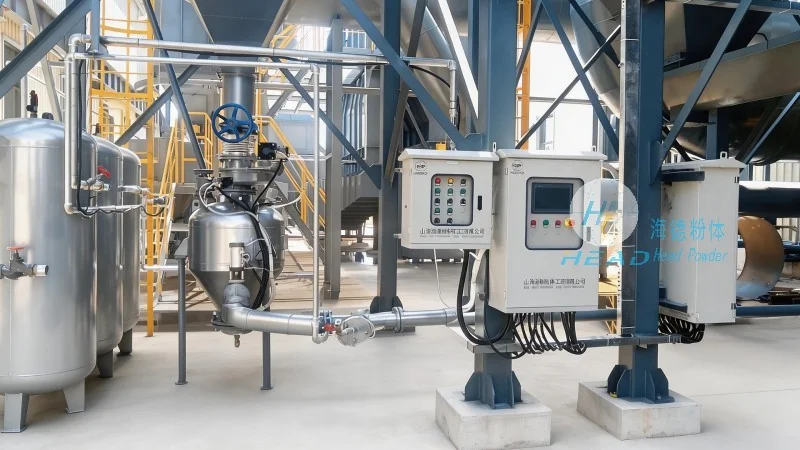
Design Principles of Pneumatic Conveying Systems for Ceramic Powders
The design of a ceramic powder pneumatic conveying system is based on several fundamental principles to ensure optimal performance. The primary principle is maintaining sufficient air velocity within the pipeline to keep the powder particles suspended and prevent settling or clogging. This requires careful calculation of the air flow rate and pressure, which depends on the particle size, density, and moisture content of the ceramic powder. Additionally, the system must be designed to handle variations in material properties, such as changes in particle size distribution or moisture levels, to maintain consistent conveying performance.
Another critical design principle is the selection of appropriate equipment materials to prevent interaction with the ceramic powder. Ceramic powders can be abrasive and may contain acidic or alkaline components, so the conveying system components, including pipes, valves, and fittings, are often made from corrosion-resistant materials like stainless steel, polyethylene, or specialized alloys. The system also incorporates features to minimize particle degradation, such as gentle feeding mechanisms and smooth internal surfaces to avoid attrition.
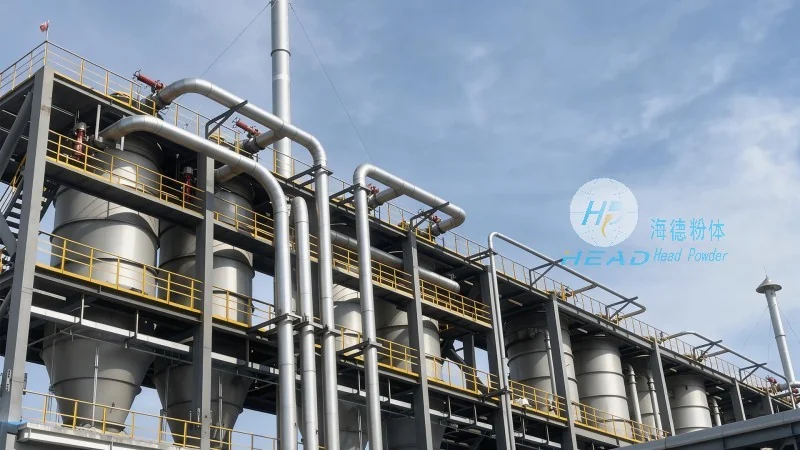
Key Components and Their Functions
The core components of a ceramic powder pneumatic conveying system include the material feeder, conveying pipeline, air compressor or blower, separation and filtration equipment, and control systems. The material feeder, often a rotary valve or screw feeder, is responsible for feeding the ceramic powder into the pipeline at a controlled rate. The conveying pipeline, usually made of flexible or rigid tubing, transports the powder-air mixture to the destination. The air compressor or blower provides the necessary pressure and volume of air to move the material through the system. The separation and filtration equipment, such as cyclones or bag filters, separate the powder from the air and collect it for reuse or disposal. Finally, the control systems monitor and regulate the flow of material and air to ensure stable operation.
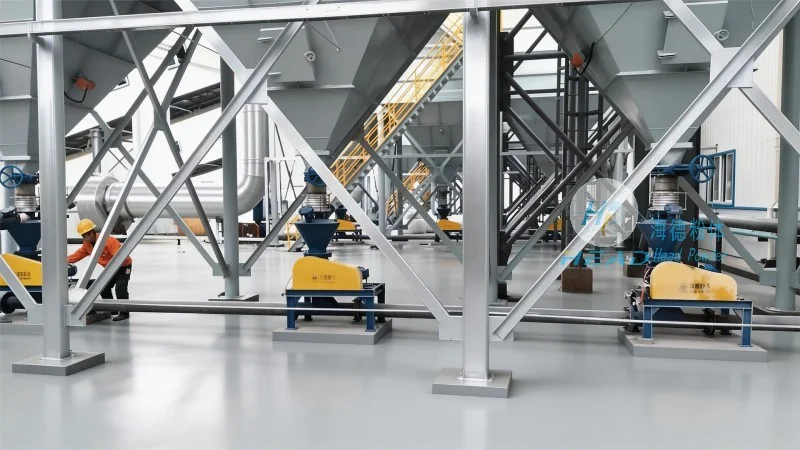
Advantages of Using Pneumatic Conveying for Ceramic Powders
Implementing a pneumatic conveying system for ceramic powders offers several advantages over traditional methods like bucket elevators or belt conveyors. One of the most significant benefits is the ability to handle fine, abrasive powders without causing damage or contamination. The system operates in a closed loop, preventing dust emissions and maintaining a clean working environment, which is crucial in the ceramic industry where product purity is paramount. Additionally, pneumatic conveying systems can transport materials over long distances and through multiple points of use, providing flexibility in plant layout and operation. They also reduce labor costs by automating the material handling process and minimizing the need for manual handling of powders.
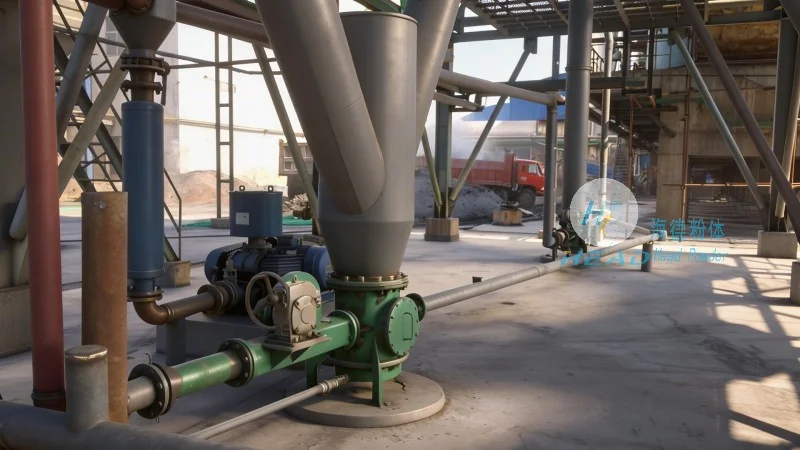
Application Examples in the Ceramic Industry
Ceramic powder pneumatic conveying systems are used in various stages of the ceramic manufacturing process. For example, in the raw material preparation stage, the system can transport raw clays, feldspar, and other minerals from storage silos to the mixing and grinding equipment. During the production of ceramic products, such as tiles or sanitaryware, the system can convey the finished powder or semi-finished products from the production line to the packaging or quality control areas. In the finishing stage, the system may be used to transport glazes or pigments to the application equipment. These applications demonstrate the versatility and efficiency of pneumatic conveying systems in enhancing production efficiency and product quality in the ceramic industry.
About Shandong HeadPowder Engineering Co., Ltd.
Shandong HeadPowder Engineering Co., Ltd., commonly known as HeadPowder, is a leading manufacturer and supplier of industrial conveying systems, including ceramic powder pneumatic conveying solutions. With a focus on innovation and quality, HeadPowder provides customized solutions tailored to the specific needs of the ceramic industry. The company is located in Shandong, China, and has established a strong reputation for delivering reliable, efficient, and cost-effective conveying systems that meet international standards. HeadPowder's expertise in material handling technology ensures that their products are designed to handle the unique challenges of ceramic powders, providing long-term performance and durability for industrial applications.