

What is the Pneumatic Conveying of Molybdenum Trioxide Powder? Understanding Its Design Principles
When it comes to handling molybdenum trioxide powder, especially in industrial applications, the method of pneumatic conveying has become a critical technology. This approach involves transporting the powder through a pipeline using a gas stream, typically air or other gases. Understanding the fundamentals of this process and its design principles is essential for optimizing efficiency and ensuring safety in operations.
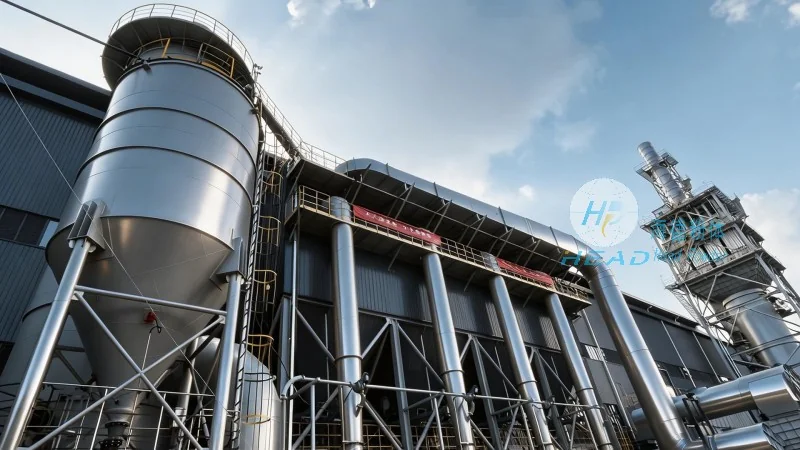
Understanding Pneumatic Conveying for Molybdenum Trioxide Powder
Pneumatic conveying is a widely used method for transporting molybdenum trioxide powder in various industrial processes. This technique involves the use of a gas stream, typically air, to move the powder through a pipeline. The process can be categorized into two main types: positive pressure and negative pressure systems. Positive pressure systems use a blower or compressor to force air and powder into the pipeline, while negative pressure systems use a vacuum to draw the powder into the system. Each type has its advantages and is selected based on the specific requirements of the application, such as the distance to be covered, the volume of powder to be transported, and the need for containment.
Key Design Principles for Molybdenum Trioxide Powder Pneumatic Conveying
The successful design of a pneumatic conveying system for molybdenum trioxide powder relies on several fundamental principles. The first principle is the generation of sufficient air velocity to keep the powder particles suspended. The air velocity must be high enough to overcome the gravitational forces acting on the particles and prevent them from settling. This velocity is typically calculated based on the particle size and density of the molybdenum trioxide powder. For example, finer particles may require air velocities of 20-30 meters per second, while larger particles may need velocities of 10-15 meters per second.
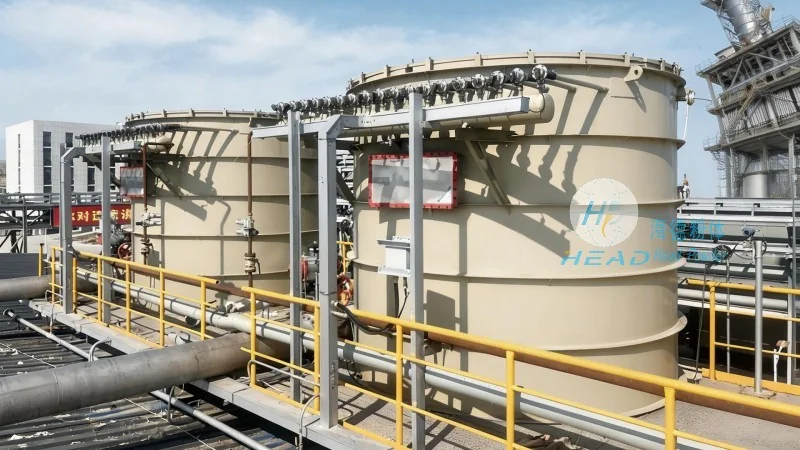
Second, the system must maintain a consistent pressure within the pipeline to ensure smooth transport. The pressure drop along the pipeline is a critical factor that affects the system's performance. It is influenced by the pipeline diameter, length, and the number of bends or fittings. Proper sizing of the pipeline and the use of smooth, low-resistance components are essential to minimize pressure losses. The design also includes the selection of appropriate equipment, such as blowers or vacuum pumps, that can provide the necessary pressure or vacuum to maintain the flow.
Third, the system must incorporate effective separation and collection mechanisms to handle the molybdenum trioxide powder at the end of the conveying process. Cyclones or filters are commonly used to separate the powder from the air stream, allowing the powder to be collected in a hopper or container. The design of these components must be optimized to prevent clogging and ensure efficient separation. Additionally, the system may include features like dust collection systems to protect the environment and comply with regulatory requirements.
HeadPowder: Your Partner in Molybdenum Trioxide Powder Handling
Shandong HeadPowder Engineering Co., Ltd., known as HeadPowder, is a reputable company specializing in the engineering and manufacturing of powder handling systems. HeadPowder has been serving industries that require reliable transport of molybdenum trioxide powder and other fine powders for many years. The company's expertise lies in understanding the unique properties of molybdenum trioxide, such as its chemical stability and particle characteristics, and designing systems that address these challenges effectively.
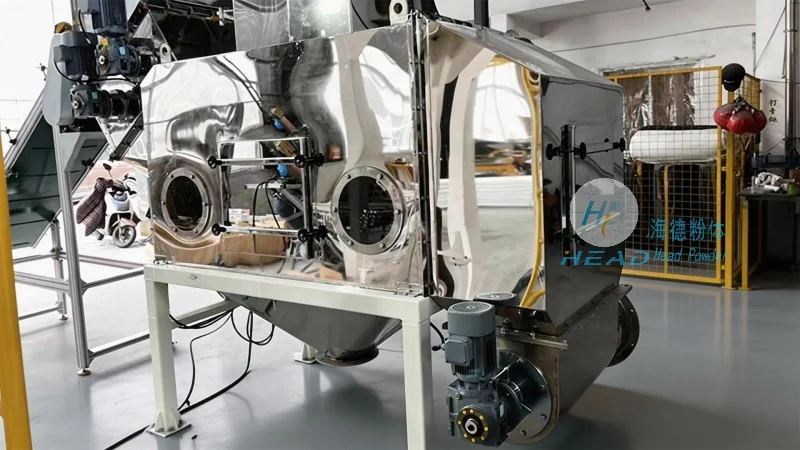
HeadPowder operates from a facility in Shandong, China, where they develop custom solutions tailored to the specific needs of their clients. The company's team of engineers uses advanced design software and testing facilities to ensure that each system meets the required performance standards. From the initial design phase to the final installation and commissioning, HeadPowder provides comprehensive support to ensure that the pneumatic conveying system for molybdenum trioxide powder operates efficiently and safely.
HeadPowder's commitment to quality and customer satisfaction has earned them a strong reputation in the industry. The company adheres to international standards and best practices in powder handling, ensuring that their products are reliable, durable, and compliant with safety regulations. By partnering with HeadPowder, industries can benefit from optimized processes, reduced downtime, and improved overall efficiency in handling molybdenum trioxide powder through pneumatic conveying.