HeadPowder, a leading manufacturer based in Shandong, China, specializes in the design and production of advanced pneumatic conveying systems for boron nitride (BN) materials. These systems are crucial in various industrial applications, including pharmaceuticals, electronics, and high-tech manufacturing, where precise material handling is essential. The following sections outline the classification and key components of such systems, providing a comprehensive overview for industry professionals.
Classification of Boron Nitride Pneumatic Conveying Systems
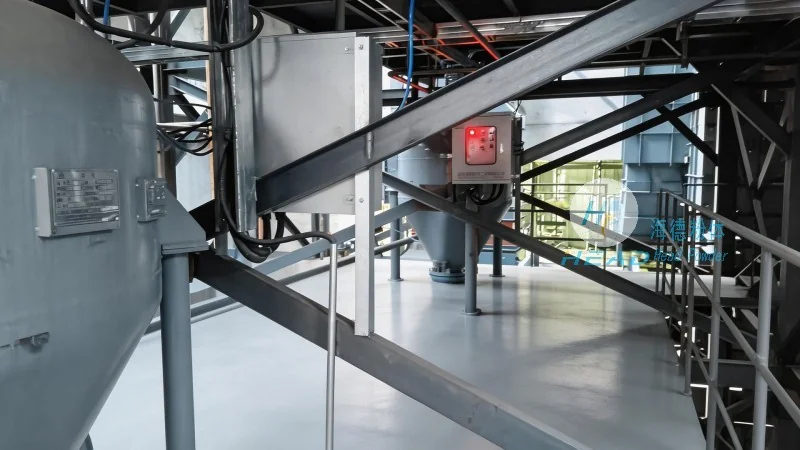
Boron nitride pneumatic conveying systems can be broadly classified based on the conveying principle and the type of material being transported. The primary classification includes dilute phase and dense phase systems, each tailored to different operational requirements and material characteristics.
Dilute phase systems operate by suspending the material in a high-velocity air stream, typically at velocities above 20 m/s. This method is suitable for fine powders like BN, as it minimizes material degradation and ensures efficient transport over long distances. Dense phase systems, on the other hand, use lower air velocities and higher material concentrations, often employing pressure or vacuum to move the material in a more controlled manner. This approach is ideal for handling abrasive or sensitive materials, as it reduces particle impact and maintains product integrity.
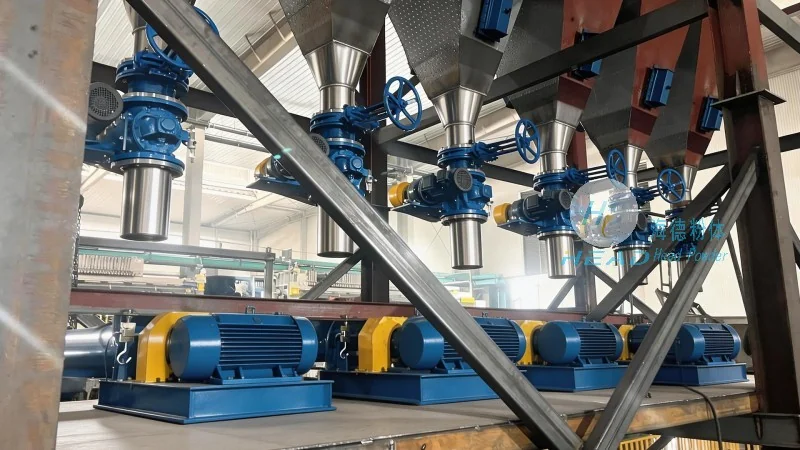
Another classification criterion is the system's configuration, such as vertical, horizontal, or mixed (vertical-horizontal) designs. Vertical systems are commonly used for vertical material transport, while horizontal systems are suitable for horizontal or inclined transport. Mixed systems combine both vertical and horizontal components to accommodate complex material flow paths, making them versatile for multi-level or multi-stage applications.
Key Components of Boron Nitride Pneumatic Conveying Systems
The effective operation of a boron nitride pneumatic conveying system relies on several critical components, each designed to optimize material handling efficiency and safety. These components work in concert to ensure reliable and consistent performance.
First, the feed system is responsible for introducing the boron nitride powder into the conveying line. This component typically includes a hopper, a feeder (such as a rotary valve or screw feeder), and a venturi or air lock to control the material flow rate. The hopper is designed to store the material and maintain a consistent feed, while the feeder regulates the discharge rate to match the system's air flow. The venturi or air lock ensures that the material is properly mixed with the air stream, preventing blockages and maintaining a stable conveying process.
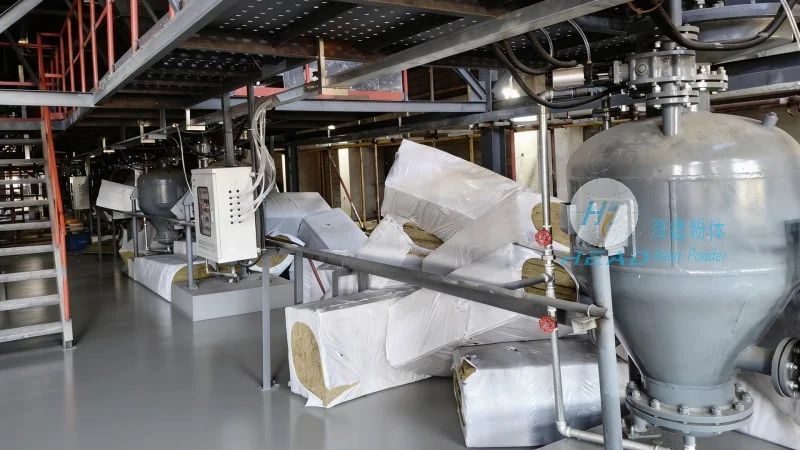
Second, the conveying line is the main channel through which the material and air travel. It is usually constructed from materials resistant to boron nitride's chemical properties, such as stainless steel or specialized plastics, to prevent corrosion and material degradation. The line may include bends, elbows, or expansion joints to accommodate changes in direction or elevation. Proper design of the conveying line is crucial to minimize pressure losses and ensure efficient material transport.
Third, the air supply system provides the necessary air pressure and flow to move the material. This system consists of a blower or compressor, a filter to remove contaminants from the air, and a regulator to control the air pressure. The blower or compressor generates the required airflow, while the filter ensures that the air is clean, preventing contamination of the boron nitride powder. The regulator maintains a consistent pressure, which is essential for stable conveying performance.
Fourth, the control and monitoring system manages the operation of the entire conveying process. This system includes sensors to monitor parameters such as pressure, flow rate, and material level, as well as control valves and actuators to adjust the system's operation in real-time. The control system may also include a programmable logic controller (PLC) or a computer interface to allow for automated operation and data logging. This component ensures that the system operates efficiently and safely, with minimal downtime or material loss.
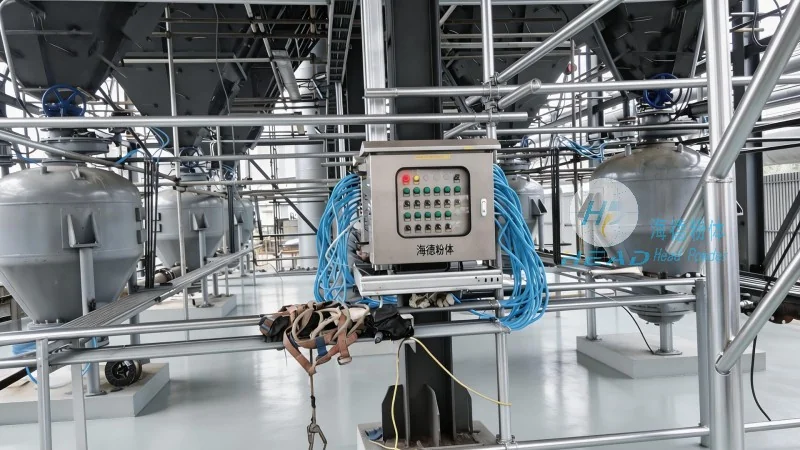
Fifth, the receiving system collects the material at the end of the conveying line. This component typically includes a hopper or silo, a discharge valve, and a dust collection system. The hopper stores the received material, while the discharge valve controls the material's release. The dust collection system, such as a baghouse or cyclone, removes any airborne particles, ensuring a clean and safe environment. Proper design of the receiving system is essential to prevent material spillage and maintain product quality.
Conclusion
Boron nitride pneumatic conveying systems are sophisticated industrial solutions that require careful consideration of classification and component design. By understanding the different types of systems and their key components, manufacturers and users can select the most appropriate solution for their specific applications. HeadPowder, with its expertise in this field, offers customized solutions that meet the unique needs of each client, ensuring efficient and reliable material handling for boron nitride materials.




