Gas-pneumatic conveying systems for calcium carbide dust collection and removal are critical components in industrial processes that handle this hazardous material. These systems are designed to efficiently transport dust and fine particles from dust collection equipment to storage or disposal locations, ensuring safety and compliance with environmental regulations. The effectiveness of such systems depends on their proper classification and comprehensive composition, which are essential for optimal performance and reliability.
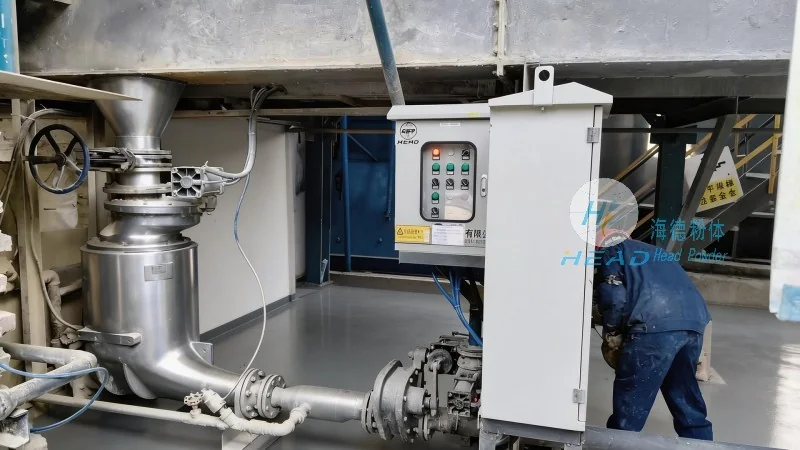
Overview of Gas-Pneumatic Conveying Systems for Calcium Carbide Dust
Gas-pneumatic conveying systems utilize air or other gases to transport solid materials like calcium carbide dust. This method offers several advantages over traditional mechanical conveying, including reduced risk of dust explosion, lower maintenance costs, and the ability to handle materials in difficult-to-reach areas. For calcium carbide dust, which is highly reactive and potentially explosive under certain conditions, a well-designed gas-pneumatic system is crucial for maintaining workplace safety and operational efficiency.
Classification of Calcium Carbide Dust Gas-Pneumatic Conveying Systems
Gas-pneumatic conveying systems for calcium carbide dust can be classified based on several key factors, including the type of conveying principle, the pressure used, and the application requirements. The primary classifications include positive pressure systems, negative pressure (or vacuum) systems, and mixed pressure systems. Each type has distinct characteristics that make it suitable for different scenarios.
Positive pressure systems operate by blowing air or gas into the conveying line, pushing the material forward. These systems are often used for long-distance or high-capacity conveying and are effective for materials that are not too abrasive or sticky. Negative pressure systems, on the other hand, create a vacuum to draw material into the system, which is ideal for applications where dust is generated in enclosed spaces or where the material is sensitive to pressure changes. Mixed pressure systems combine elements of both positive and negative pressure, offering flexibility in handling varying material properties and system configurations.
Key Components of a Calcium Carbide Dust Gas-Pneumatic Conveying System
A gas-pneumatic conveying system for calcium carbide dust consists of several essential components that work together to ensure efficient and safe operation. The main components include the dust collector, the conveying line, the air or gas source, the control system, and the material discharge equipment. Each component plays a critical role in the overall performance of the system.
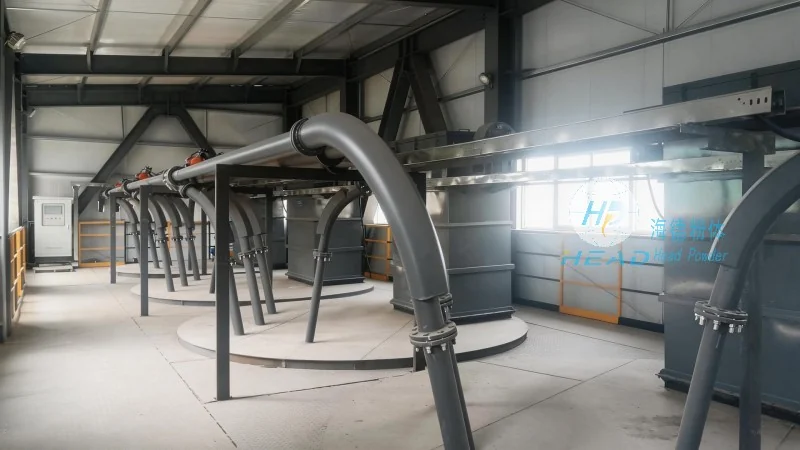
The dust collector is the initial stage of the system, responsible for capturing calcium carbide dust from the process environment. It typically uses filters or cyclones to separate the dust from the air stream, preventing it from being released into the atmosphere. For calcium carbide dust, which is highly reactive, a dust collector with explosion-proof features is often required to prevent accidental ignition.
The conveying line is the main pathway for transporting the dust from the collector to the discharge point. It is usually made of materials that are resistant to corrosion and abrasion, such as stainless steel or special alloys, to withstand the harsh conditions of calcium carbide dust. The line is connected to the dust collector and the discharge equipment, forming a continuous loop for material transport. The diameter and length of the conveying line are critical factors that affect the system's performance, as they influence the air velocity and pressure drop.
The air or gas source provides the necessary pressure and flow to move the dust through the conveying line. This can be a blower or a compressor, depending on the system's pressure requirements. The source must be capable of delivering sufficient air volume and pressure to maintain the required air velocity in the line, which is essential for preventing material settling and ensuring smooth transport. For calcium carbide dust, which is light and fine, a higher air velocity is often needed to avoid clogging or blockages in the system.
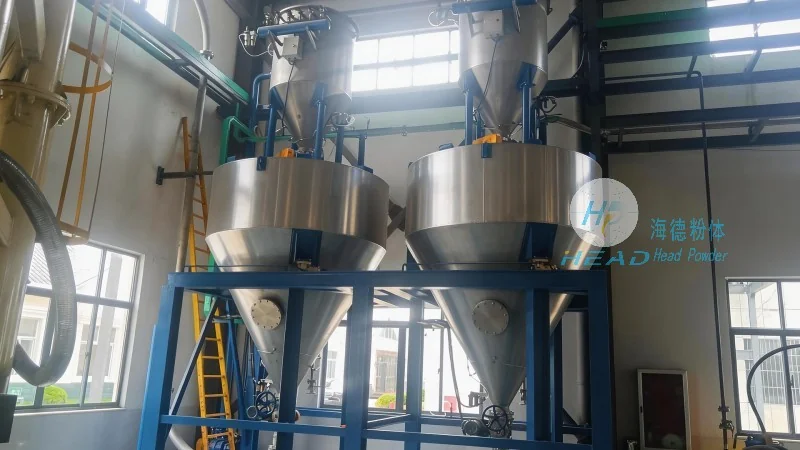
The control system manages the operation of the gas-pneumatic conveying system, including the start and stop of the air source, the monitoring of pressure and flow, and the control of the dust collector and discharge equipment. It ensures that the system operates within safe and efficient parameters, preventing overloading or underloading of the conveying line. The control system may also include safety features, such as pressure relief valves and explosion-proof switches, to protect against potential hazards.
The material discharge equipment is the final component of the system, responsible for releasing the calcium carbide dust from the conveying line into a storage bin or disposal container. It typically includes a hopper or a silo that collects the material and prevents it from being released back into the environment. The discharge equipment must be designed to handle the dust's properties, such as its reactivity and potential to cause dust explosions, and must be equipped with safety features to prevent accidental release or ignition.
Company Information: Shandong HeadPowder Engineering Co., Ltd.
HeadPowder, a leading provider of industrial dust handling solutions, specializes in designing and manufacturing gas-pneumatic conveying systems for calcium carbide dust and other hazardous materials. With years of experience in the industry, HeadPowder has developed a comprehensive range of systems that meet the highest standards of safety, efficiency, and reliability. The company's headquarters is located in Shandong, China, where it has a dedicated team of engineers and technicians who work closely with clients to understand their specific needs and provide tailored solutions.
HeadPowder's gas-pneumatic conveying systems are designed to comply with international safety and environmental regulations, ensuring that clients can operate their facilities without compromising on safety or performance. The company's products are manufactured using high-quality materials and advanced technology, which results in systems that are durable, low-maintenance, and long-lasting. HeadPowder also offers after-sales support and maintenance services to ensure that its systems continue to operate at optimal levels throughout their service life.




