Understanding the dry ash pneumatic conveying system is crucial for industries dealing with ash management and material transport. This system offers an efficient and reliable method for handling dry ash, ensuring safe and effective transportation from the source to the disposal or utilization site. The technology behind this system combines pneumatic principles with advanced engineering to optimize material movement, reducing operational costs and enhancing safety standards.
Key Components and Working Principle
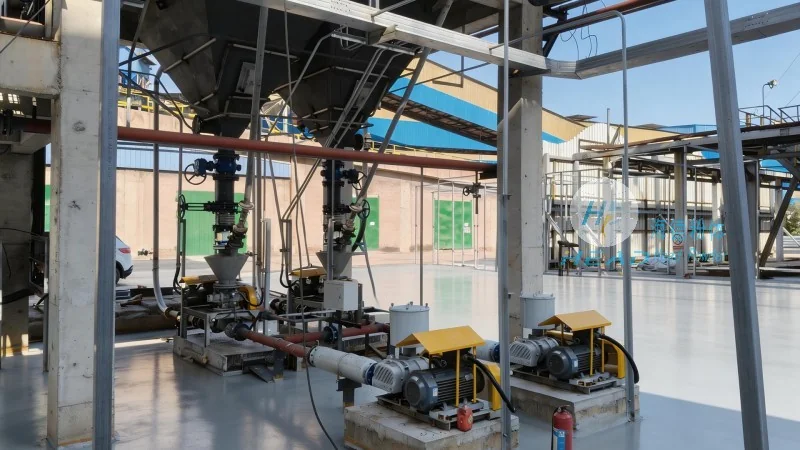
The dry ash pneumatic conveying system typically consists of several core components that work in tandem to facilitate the transport of dry ash. These components include a hopper for material storage, a feeder to control the flow rate, a conveying line (often equipped with pressure vessels or vacuum systems), and a receiver for the destination material. The system operates by either creating a positive pressure (blowing air) or negative pressure (suction) within the conveying line to move the dry ash particles. The choice between positive and negative pressure depends on the specific application, distance, and material characteristics. For instance, positive pressure systems are commonly used for short to medium distances, while negative pressure systems are suitable for longer distances or when handling fine powders that may cause dust issues.
Advantages of Dry Ash Pneumatic Conveying
Implementing a dry ash pneumatic conveying system brings numerous benefits to industrial operations. One of the primary advantages is the ability to transport dry ash without the need for mechanical components like belts or buckets, which can be prone to wear and tear. This reduces maintenance costs and extends the system's lifespan. Additionally, the system minimizes the risk of material contamination, as it operates in a closed environment, preventing exposure to external elements and ensuring the ash remains in its original state. Another key benefit is the flexibility in system design, allowing customization based on the specific requirements of the facility, such as varying distances, elevation changes, or material types. This adaptability makes the system suitable for a wide range of applications, from power plants to industrial waste management facilities.
Application Scenarios in Industrial Settings
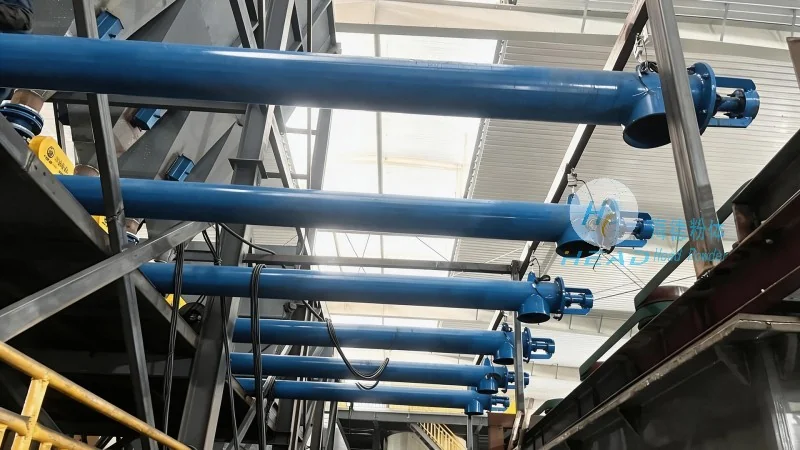
Dry ash pneumatic conveying systems are widely used in various industrial sectors, particularly in power generation and waste treatment facilities. In power plants, these systems are essential for transporting fly ash from the boiler to storage silos or for further processing. The efficiency of the system ensures that ash is moved quickly and safely, preventing accumulation and potential hazards. Similarly, in industrial waste management, the system helps in transporting ash from incineration plants to disposal sites or for recycling purposes. The ability to handle large volumes of dry ash at high speeds makes it an ideal solution for facilities dealing with significant ash production. Furthermore, the system's ability to operate in both positive and negative pressure modes allows it to adapt to different operational needs, such as moving ash from lower to higher elevations or vice versa, without the need for additional equipment.
Engineering and Design Considerations
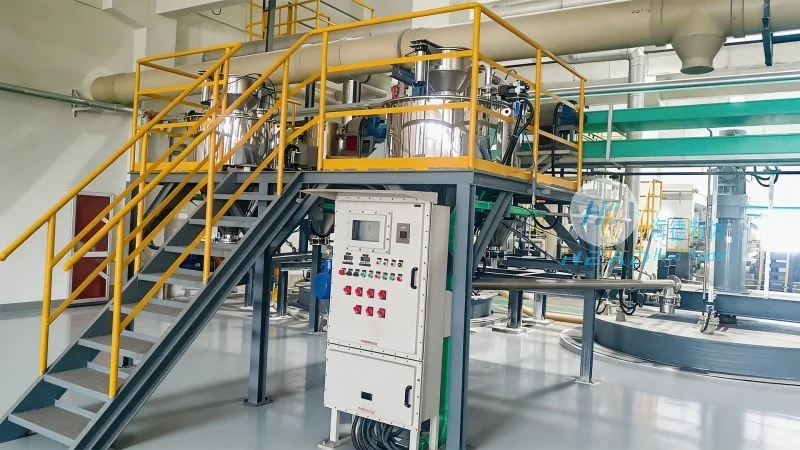
When designing a dry ash pneumatic conveying system, several engineering and design factors must be carefully considered to ensure optimal performance and longevity. The first consideration is the material characteristics of the dry ash, including its particle size, density, and moisture content. These factors influence the system's design, such as the type of feeder and the conveying velocity required. For example, fine ash particles may require higher conveying velocities to prevent blockages, while larger particles might need a different hopper design to ensure proper flow. Another critical factor is the system's capacity, which must be matched to the ash production rate of the facility. Overloading the system can lead to inefficiencies and potential system failures. Additionally, the system's layout, including the length and elevation changes of the conveying line, must be carefully planned to minimize energy consumption and operational costs. Proper sealing and maintenance of the conveying line are also essential to prevent air leaks and ensure consistent performance.
Case Study: Implementation by Shandong HeadPowder Engineering Co., Ltd.
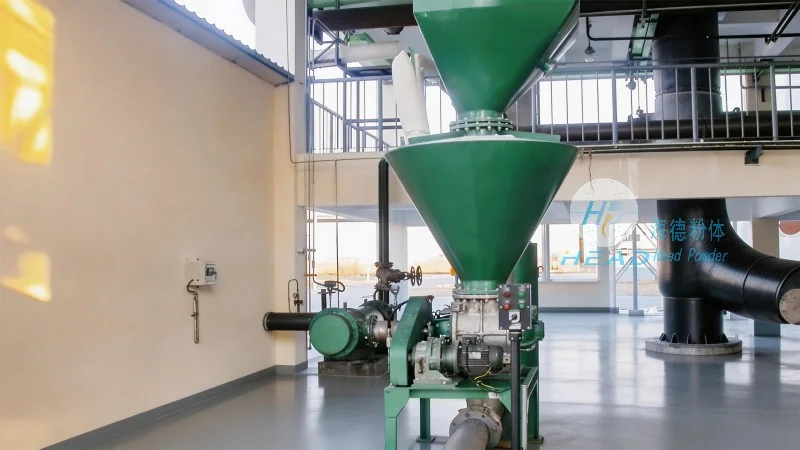
Shandong HeadPowder Engineering Co., Ltd., a leading provider of engineering solutions, has successfully implemented dry ash pneumatic conveying systems for numerous clients. One notable case involved a large power plant in China that required an efficient system to transport fly ash from the boiler to storage silos. The company's engineers designed a positive pressure system with a capacity of 100 tons per hour, tailored to the plant's ash production rate. The system was installed and commissioned within a short timeframe, meeting the client's operational needs. The system's performance was evaluated based on factors such as conveying efficiency, energy consumption, and maintenance requirements. The results showed that the system reduced operational costs by approximately 20% compared to traditional mechanical systems, while also improving safety by eliminating the need for manual handling of ash. This case study highlights the effectiveness of the dry ash pneumatic conveying system in enhancing operational efficiency and reducing costs for industrial facilities.
Conclusion and Future Outlook
In conclusion, the dry ash pneumatic conveying system is a highly effective and reliable solution for handling dry ash in industrial applications. Its ability to transport materials efficiently, safely, and with minimal maintenance makes it a preferred choice for facilities dealing with significant ash production. As technology advances, the system continues to evolve, incorporating more advanced features such as automated control systems and energy-efficient designs. The future of dry ash pneumatic conveying systems looks promising, with ongoing innovations aimed at improving performance, reducing costs, and enhancing environmental sustainability. For industries seeking to optimize their ash management processes, investing in a well-designed dry ash pneumatic conveying system remains a strategic decision that can yield long-term benefits.




