Welcome to Shandong HeadPowder Engineering Co., Ltd., a leading provider of specialized pneumatic conveying solutions for the food and chemical industries. Our focus is on delivering efficient and reliable systems for handling glucose powder, a critical component in various industrial applications. This article explores the classification and essential components of glucose powder pneumatic conveying systems, highlighting the technology's importance in maintaining product quality and ensuring consistent performance in downstream processes.
Introduction to Glucose Powder Pneumatic Conveying Systems
Pneumatic conveying systems are widely used in industries dealing with bulk powder materials, including glucose powder, due to their ability to transport materials through a pipeline using air or gas. These systems offer advantages such as reduced contamination, improved safety, and enhanced process control compared to traditional mechanical conveying methods. For glucose powder, which is often sensitive to moisture and temperature changes, a well-designed pneumatic conveying system is crucial to preserve its quality and ensure consistent performance in downstream processes.
Classification of Glucose Powder Pneumatic Conveying Systems
Glucose powder pneumatic conveying systems can be classified based on several key factors, including the conveying principle, system pressure, and material handling characteristics. The primary classifications include:
1. Dilute Phase Conveying: This is the most common type of pneumatic conveying system for glucose powder. It operates at low to moderate pressure and uses a high volume of air to transport the powder in a dilute suspension. Dilute phase systems are suitable for long-distance and high-capacity transport, making them ideal for large-scale glucose powder handling operations. The system typically consists of a feed hopper, a rotary valve, a conveying line, and a receiver. The air velocity in the line is maintained above the powder's terminal velocity to prevent particle settling and ensure smooth flow.
2. Dense Phase Conveying: Unlike dilute phase systems, dense phase conveying operates at higher pressure and lower air velocity. This method is used when transporting glucose powder over shorter distances or when the material is more sensitive to air exposure. The powder is conveyed in a dense slug or plug, reducing the risk of degradation and ensuring better control over the material's temperature and moisture content. Dense phase systems are particularly useful for applications where product quality is paramount, such as in pharmaceutical or food processing industries.
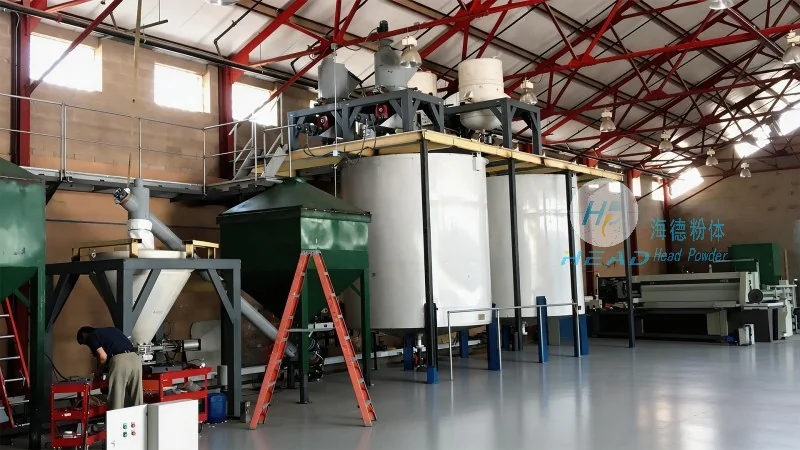
3. Pressure and Vacuum Conveying: These systems are categorized based on the pressure differential used to move the powder. Pressure conveying uses compressed air to push the powder through the pipeline, while vacuum conveying uses a vacuum to pull the material from the source. For glucose powder, pressure conveying is often preferred as it provides better control over the material's flow and reduces the risk of contamination from external air. Vacuum systems are more suitable for applications requiring gentle handling of the powder, such as in sensitive food processing environments.
Key Components of Glucose Powder Pneumatic Conveying Systems
Regardless of the classification, glucose powder pneumatic conveying systems share several essential components that work together to ensure efficient and reliable operation. These components include:
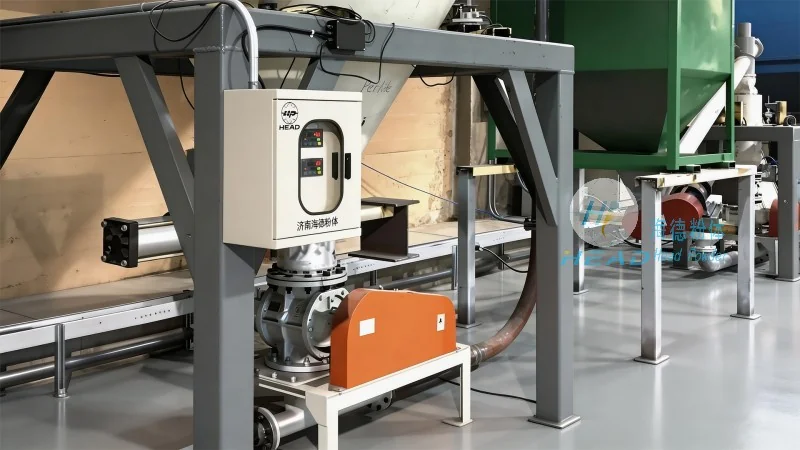
1. Feed Hopper and Rotary Valve: The feed hopper is the initial component where glucose powder is stored before being fed into the conveying system. It is designed to maintain a consistent material level and prevent dust accumulation. The rotary valve, located at the bottom of the hopper, controls the flow of powder into the conveying line. It is crucial for regulating the material feed rate and preventing backflow or air leakage, which could affect the system's performance.
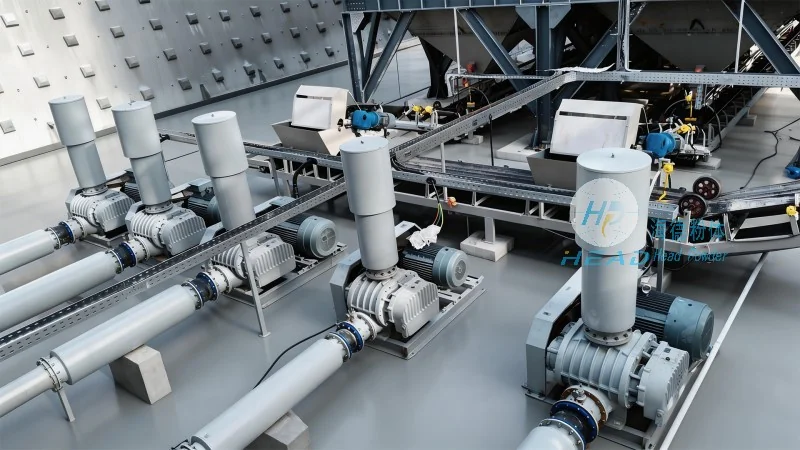
2. Conveying Line and Air Compressor: The conveying line is the main pipeline through which the glucose powder is transported. It is typically made of stainless steel or other corrosion-resistant materials to prevent contamination and ensure durability. The air compressor provides the necessary pressure and volume of air to move the powder through the line. The choice of compressor type (e.g., rotary screw or reciprocating) depends on the system's requirements, including pressure, flow rate, and energy efficiency.
3. Receiver and Dust Collector: The receiver is the final component where the glucose powder is deposited after being conveyed. It is designed to collect the powder efficiently and minimize spillage. The dust collector, often integrated with the receiver, removes any airborne particles and ensures that the system operates in a clean and safe environment. For glucose powder, which is fine and can easily become airborne, a high-efficiency dust collector is essential to maintain product quality and comply with environmental regulations.
4. Control System and Monitoring Equipment: Modern glucose powder pneumatic conveying systems are equipped with advanced control systems that monitor and regulate various parameters, such as pressure, flow rate, and temperature. These systems use sensors and controllers to ensure optimal operation and prevent issues such as blockages or overloading. Monitoring equipment, including pressure gauges and flow meters, provides real-time data to operators, allowing them to make adjustments as needed and maintain consistent performance.
Benefits of Using Glucose Powder Pneumatic Conveying Systems
Implementing a glucose powder pneumatic conveying system offers numerous benefits for industrial operations. These include improved product quality, enhanced safety, and increased operational efficiency. By reducing the risk of contamination and maintaining consistent material handling, these systems help preserve the purity and integrity of glucose powder, which is critical for applications in the food and pharmaceutical industries. Additionally, pneumatic conveying systems are more energy-efficient than traditional mechanical methods, reducing operational costs and environmental impact.
Conclusion
Glucose powder pneumatic conveying systems are a vital technology for efficiently and safely handling glucose powder in various industrial applications. By understanding the different classifications and key components of these systems, industries can select the most appropriate solution to meet their specific needs. Shandong HeadPowder Engineering Co., Ltd. specializes in designing and manufacturing customized pneumatic conveying systems tailored to the unique requirements of glucose powder handling, ensuring optimal performance and reliability. With our expertise and commitment to quality, we provide solutions that enhance product quality, improve operational efficiency, and support sustainable industrial practices.




