HeadPowder, a leading provider in the field, specializes in the design and implementation of advanced pneumatic conveying systems tailored for soap granules. This article aims to provide a comprehensive overview of the classification and essential components that constitute such systems, ensuring a clear understanding of their functionality and application.
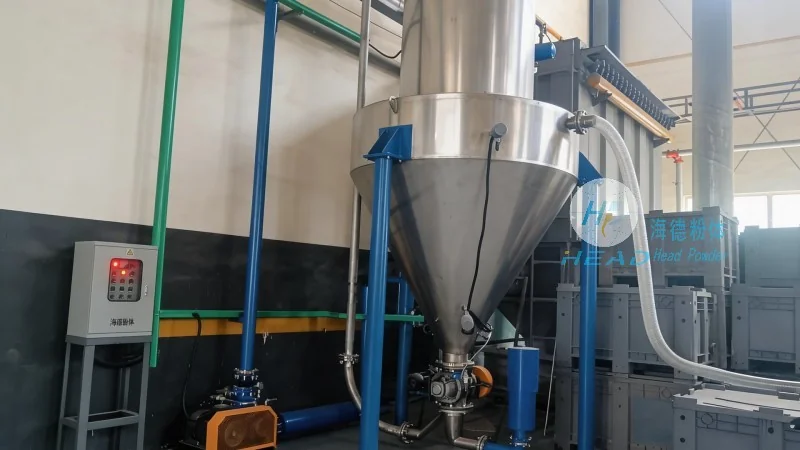
Company Profile: Shandong HeadPowder Engineering Co., Ltd.
HeadPowder, the company behind these systems, is headquartered in Shandong, China. With a strong commitment to engineering excellence and customer satisfaction, the company has established itself as a trusted partner in the manufacturing and processing industries. The company's expertise lies in developing customized solutions that meet the specific requirements of clients dealing with soap granules, ensuring efficient and reliable material handling.
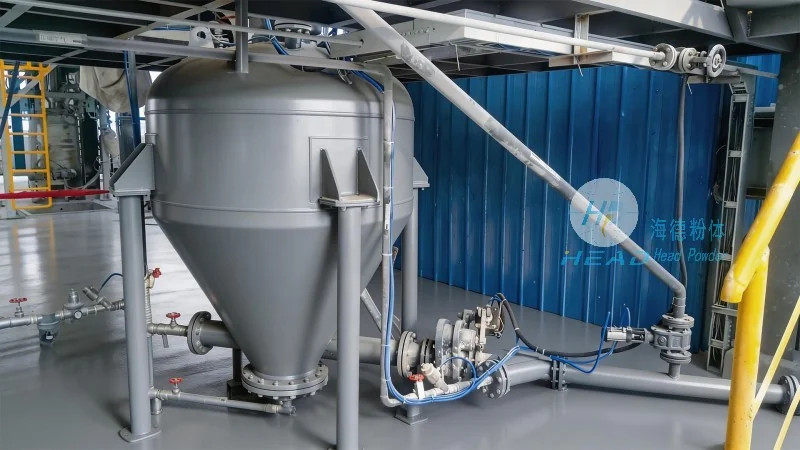
Classification of Pneumatic Conveying Systems for Soap Granules
Pneumatic conveying systems for soap granules can be broadly classified based on the method of air flow and the system's operational characteristics. The primary categories include pressure systems, vacuum systems, and mixed systems. Pressure systems utilize compressed air to push the material through the pipeline, making them suitable for long-distance and high-capacity applications. Vacuum systems, on the other hand, use a vacuum to draw the material into the system, which is ideal for short-distance or low-volume transfers. Mixed systems combine elements of both pressure and vacuum, offering flexibility in handling various material properties and system configurations.
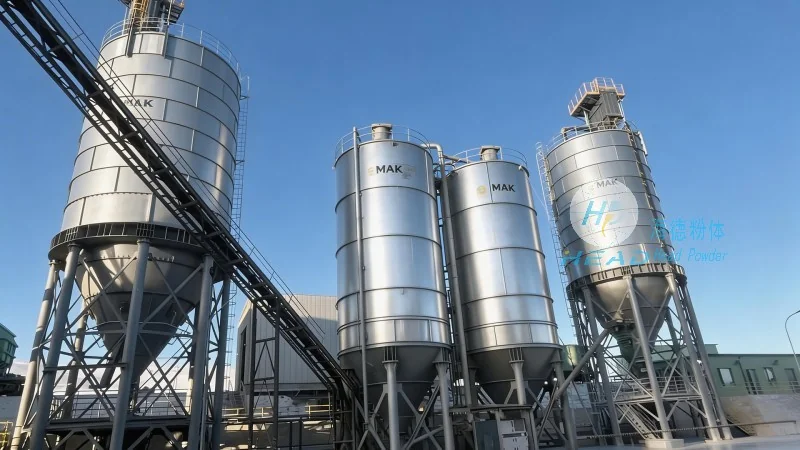
Key Components and Their Functions in the Soap Granule Pneumatic Conveying System
The effective operation of a soap granule pneumatic conveying system relies on several critical components, each playing a vital role in the overall process. The main components include the material feed hopper, which stores and regulates the flow of soap granules into the system. The feeder, typically a rotary or vibratory type, ensures a consistent and controlled feed rate, preventing blockages and maintaining system efficiency. The air compressor or vacuum pump provides the necessary pressure or vacuum to move the material through the pipeline. The pipeline network, made of materials resistant to the chemical properties of soap granules, transports the material from the feed point to the discharge point. The separator or filter is crucial for removing any air bubbles or debris from the material stream, ensuring a clean and uniform product. Finally, the discharge hopper or silo collects the conveyed soap granules, completing the process.
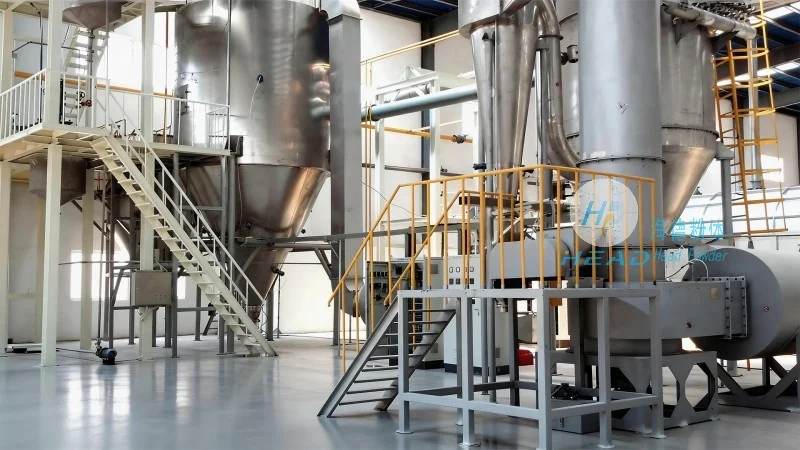
System Integration and Customization for Optimal Performance
At HeadPowder, the design of pneumatic conveying systems for soap granules is highly customizable to meet the unique needs of each client. The company considers factors such as the material's bulk density, flowability, and any potential chemical interactions with the system components. By integrating advanced control systems and monitoring equipment, the company ensures that the system operates at peak efficiency, minimizing downtime and maximizing productivity. The integration of sensors and automation technology allows for real-time monitoring of system performance, enabling quick adjustments to maintain optimal conditions. This level of customization and integration is what sets HeadPowder apart, delivering systems that not only meet but exceed the expectations of its clients.




