

Classification and Composition of Soybean Feed Pneumatic Conveying Systems
At Shandong HeadPowder Engineering Co., Ltd., we specialize in the design and implementation of advanced pneumatic conveying systems tailored for soybean feed applications. These systems are engineered to efficiently transport soybean feed materials from storage to processing or feeding points, ensuring optimal performance and reliability in agricultural and feed production settings.
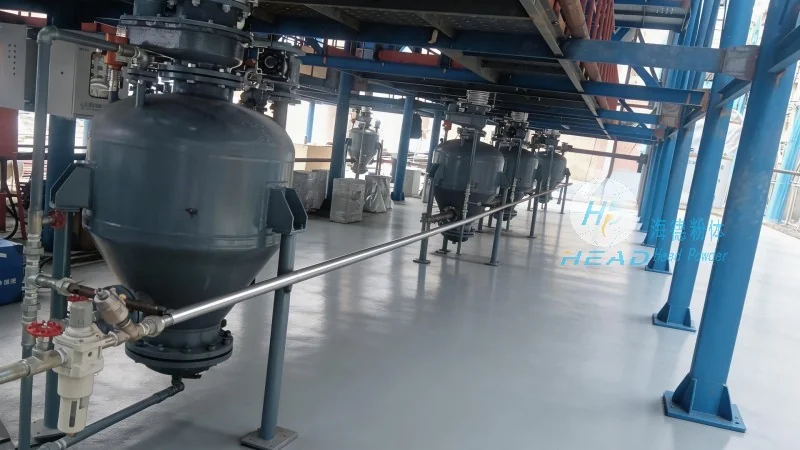
Classification of Soybean Feed Pneumatic Conveying Systems
Our systems are categorized based on the conveying principle and operational characteristics. The primary classifications include pressure systems, vacuum systems, and mixed systems. Pressure systems utilize positive pressure to move material through pipelines, while vacuum systems rely on negative pressure to draw material from sources. Mixed systems combine elements of both pressure and vacuum to offer flexible conveying solutions for various feed types and distances.
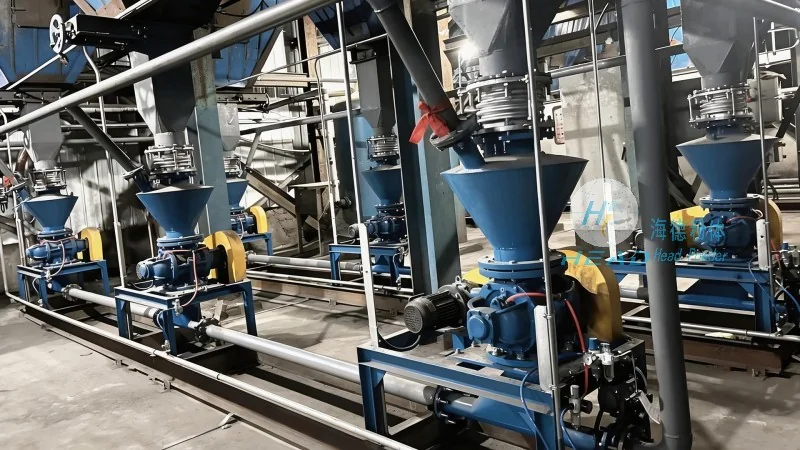
Key Components of Soybean Feed Pneumatic Conveying Systems
The composition of a soybean feed pneumatic conveying system involves several critical components that work in concert to ensure efficient material handling. These components include:
- Feeder Unit: This component is responsible for accurately metering and feeding the soybean feed material into the conveying system. It ensures a consistent flow rate, which is crucial for maintaining system efficiency and preventing blockages.
- Pneumatic Conveying Pipeline: The pipeline network is designed to transport the feed material from the feeder to the destination. Materials can be conveyed through horizontal, vertical, or inclined pipelines, depending on the layout of the facility.
- Air Supply System: This system provides the necessary air pressure or vacuum to move the material through the pipeline. It includes compressors, vacuum pumps, and air treatment equipment to ensure clean and efficient air flow.
- Separation and Collection Equipment: At the receiving end, this equipment separates the feed material from the air stream and collects it in a storage or processing container. It may include cyclones, filters, and dust collection systems to maintain air quality and prevent material loss.
- Control and Monitoring Systems: Advanced control systems are integrated to monitor and regulate the operation of the conveying system. These systems provide real-time data on flow rates, pressure, and system performance, enabling operators to optimize operations and troubleshoot issues quickly.
Design Considerations for Efficient Soybean Feed Conveying
When designing a soybean feed pneumatic conveying system, several factors must be considered to ensure optimal performance. These include the physical properties of the soybean feed (such as particle size, moisture content, and bulk density), the distance and elevation changes between the source and destination, and the required flow rate. Our engineering team at Shandong HeadPowder Engineering Co., Ltd. conducts thorough analyses to tailor the system design to the specific needs of each client, ensuring that the system operates efficiently and reliably under various operating conditions.
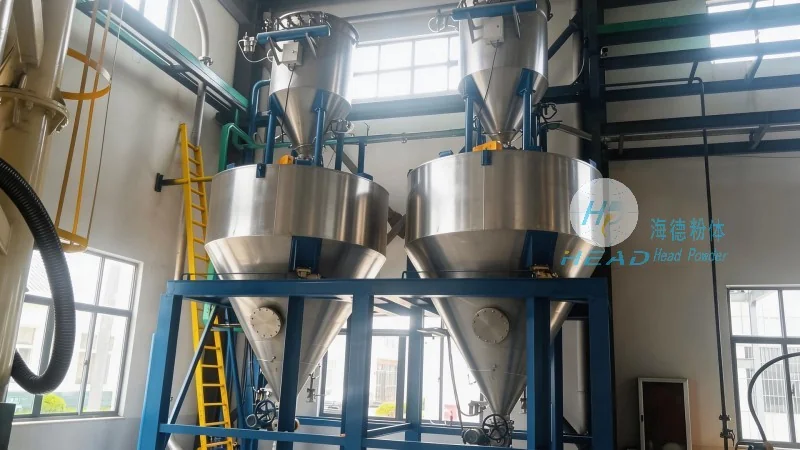
Benefits of Using Pneumatic Conveying for Soybean Feed
Implementing a pneumatic conveying system for soybean feed offers numerous benefits over traditional mechanical conveying methods. These benefits include: