

[Pneumatic Conveying of Calcium Phosphate Powder: Understanding Design Principles]
HeadPowder, a leading enterprise in powder processing technology, specializes in the design and implementation of pneumatic conveying systems for calcium phosphate powders. This article explores the fundamental aspects of pneumatic conveying, focusing on the design principles that ensure efficient and reliable material transport. By understanding these principles, industries can optimize their operations and enhance the performance of their powder handling systems.
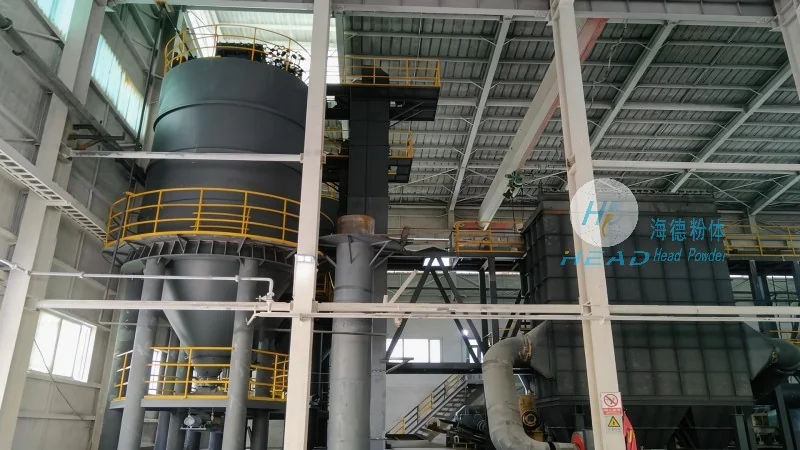
Introduction to Pneumatic Conveying of Calcium Phosphate Powder
Pneumatic conveying is a method used to transport bulk materials, such as powders, through a pipeline using a gas stream, typically air. In the context of calcium phosphate powder, widely utilized in industries like pharmaceuticals, food, and agriculture, this technology offers a flexible and efficient solution for moving the material from source to destination. The process involves creating a pressure differential or using a vacuum to move the powder through the system, ensuring minimal product degradation and consistent flow rates.
Key Design Principles for Calcium Phosphate Powder Conveying Systems
The design of a pneumatic conveying system for calcium phosphate powder requires careful consideration of several critical factors to achieve optimal performance. These principles include system configuration, material properties, and operational parameters. A well-designed system must account for the particle size, density, and flow characteristics of the calcium phosphate powder, as these properties directly impact the conveying efficiency and equipment selection.
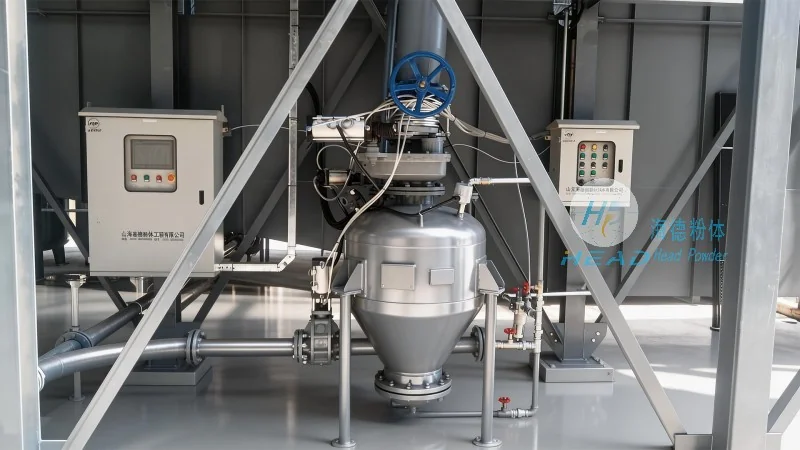
One of the primary design considerations is the system configuration. There are two main types of pneumatic conveying systems: pressure and vacuum. Pressure systems operate by forcing air into the pipeline under positive pressure, while vacuum systems use a vacuum to draw the material into the line. For calcium phosphate powders, which may have varying particle sizes and flowability, a pressure system is often preferred as it provides better control over the material flow and reduces the risk of blockages. The choice between positive and negative pressure depends on the distance, elevation changes, and specific application requirements.
Material Handling Considerations in Pneumatic Conveying
Calcium phosphate powders are characterized by their relatively fine particle size and potential for static electricity, which can affect the conveying process. To mitigate these issues, the design incorporates features such as static eliminators and anti-static coatings on the pipeline and equipment. Additionally, the system may include cyclone separators or filters to prevent particle accumulation and ensure clean air discharge. The material's hygroscopic nature also needs to be considered, as moisture can affect the powder's flowability and cause caking. Therefore, the system may include drying or moisture control measures to maintain the powder's quality during transport.
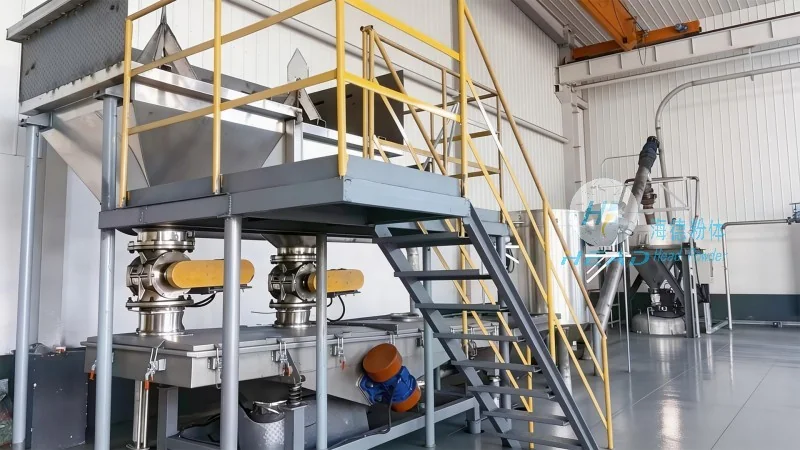
System Components and Their Roles
A pneumatic conveying system for calcium phosphate powder typically consists of several key components, each playing a crucial role in the overall operation. These components include the material feed hopper, conveyor pipeline, air supply unit (blower or compressor), and material separation equipment (cyclone or filter). The feed hopper is designed to provide a consistent flow of powder to the system, often equipped with a feeder such as a rotary valve or screw conveyor to control the material discharge rate. The pipeline is usually made of materials like stainless steel or plastic, chosen for their resistance to corrosion and wear from the calcium phosphate particles. The air supply unit generates the necessary pressure or vacuum to move the material through the pipeline, with the blower or compressor selected based on the system's capacity and pressure requirements. The material separation equipment, such as a cyclone separator, separates the powder from the air stream, allowing the powder to be collected and the air to be discharged or recycled.
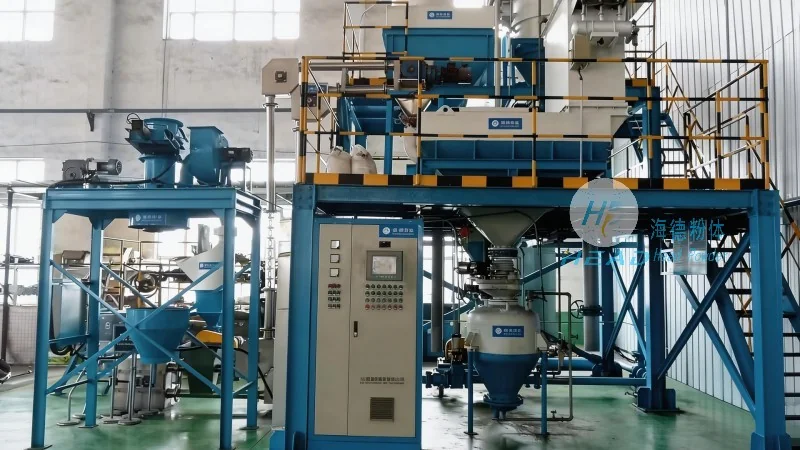
Optimizing Conveying Efficiency and Reliability
Efficient operation of a calcium phosphate powder pneumatic conveying system depends on several factors, including proper system sizing, regular maintenance, and monitoring of operational parameters. System sizing involves determining the appropriate pipeline diameter, air velocity, and pressure to ensure the material is conveyed at the desired rate without excessive energy consumption. Regular maintenance, such as cleaning the pipeline and replacing worn components, is essential to prevent blockages and maintain system performance. Monitoring tools, such as pressure gauges and flow meters, help operators track the system's performance and identify any issues that may arise, ensuring continuous and reliable operation.
Conclusion
Pneumatic conveying of calcium phosphate powder is a sophisticated technology that requires careful design and implementation to achieve optimal results. By adhering to the key design principles and considering the specific properties of the material, industries can develop efficient and reliable powder handling systems. HeadPowder, with its expertise in powder processing technology, provides comprehensive solutions for pneumatic conveying systems, ensuring that clients can meet their operational needs while maintaining product quality and safety. As the demand for efficient powder transport continues to grow, the application of these design principles will remain crucial in optimizing industrial processes.