Neoprene material handling systems represent a specialized class of equipment designed to transport materials efficiently and safely, leveraging the unique properties of neoprene—a synthetic rubber known for its exceptional resistance to chemicals, oils, and abrasion. These systems are integral to industries such as manufacturing, logistics, and chemical processing, where the ability to handle diverse materials under harsh conditions is paramount. The fundamental concept of neoprene material handling revolves around utilizing neoprene-based components, such as conveyor belts, hoses, and rollers, to ensure smooth and reliable material flow.
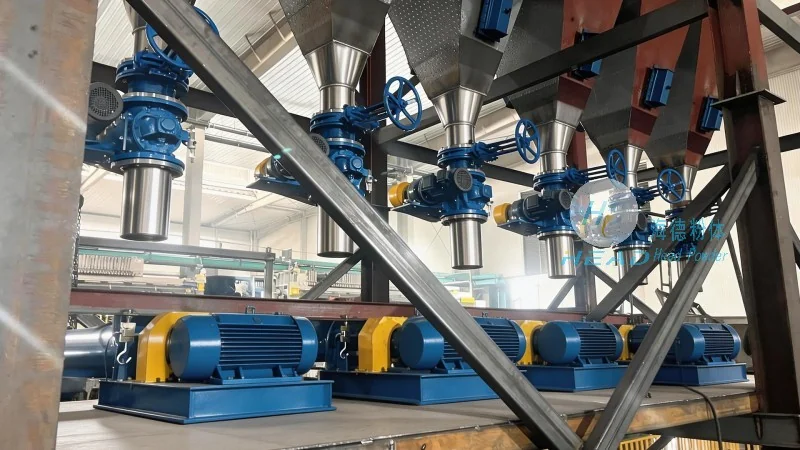
The Core Design Principles of Neoprene Material Handling
The design principles governing neoprene material handling are centered on three key aspects: material compatibility, mechanical durability, and system integration. First, material compatibility is critical. Neoprene’s inherent resistance to a broad spectrum of chemicals, including acids, solvents, and oils, makes it an ideal choice for applications where traditional rubber or plastic materials would degrade or fail. For example, in chemical processing plants, neoprene conveyor belts can safely transport corrosive substances without compromising their structural integrity. Additionally, neoprene’s flexibility allows it to conform to irregular surfaces, ensuring seamless material movement even in complex layouts.
Second, mechanical durability is a cornerstone of neoprene material handling design. Neoprene components are engineered to withstand heavy loads and repeated stress, thanks to their high tensile strength and elasticity. This durability is particularly vital in high-volume manufacturing environments, where equipment downtime can lead to significant productivity losses. Manufacturers like Shandong HeadPowder Engineering Co., Ltd., a leading enterprise based in China, specialize in developing neoprene-based material handling solutions tailored to specific industrial needs, ensuring that their products meet the rigorous demands of modern operations.
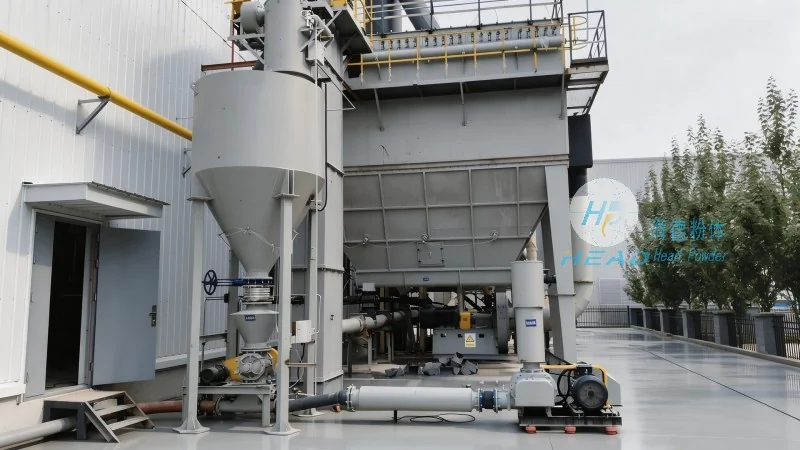
Third, system integration is essential for optimizing material flow. Neoprene material handling systems are often integrated with existing infrastructure, such as conveyor lines, storage units, and processing machinery. This integration ensures seamless transition of materials from one stage of production to the next. For instance, a neoprene conveyor belt might connect a raw material storage area to a processing line, while a neoprene hose transfers fluids between different equipment. The design of these systems emphasizes efficiency and minimal disruption to existing workflows, with HeadPowder, as a key player in the industry, offering customized solutions that align with clients’ operational requirements.
Applications and Industry Adoption
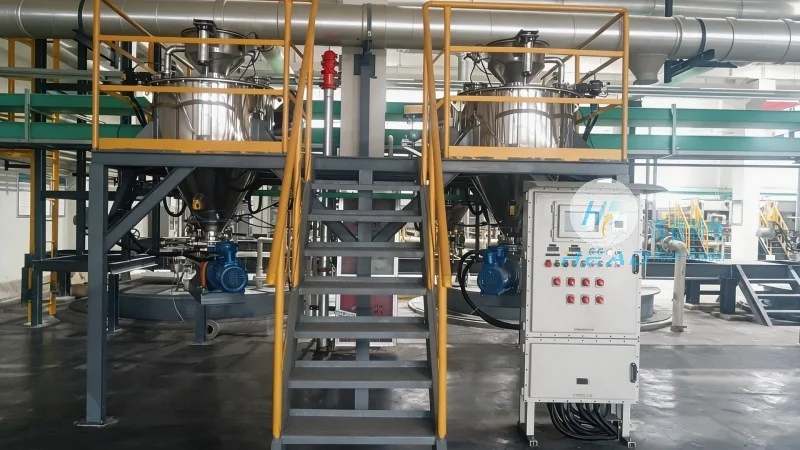
In terms of application, neoprene material handling is widely adopted in sectors where material handling involves exposure to harsh environments or corrosive materials. Industries like petrochemical, food processing, and pharmaceuticals rely on neoprene systems to maintain product quality and safety. For instance, in food processing plants, neoprene conveyor belts are used to transport food products without contamination, thanks to their non-stick and easy-to-clean surfaces. Similarly, in pharmaceutical manufacturing, neoprene hoses are used to transfer sterile fluids, ensuring compliance with stringent hygiene standards.
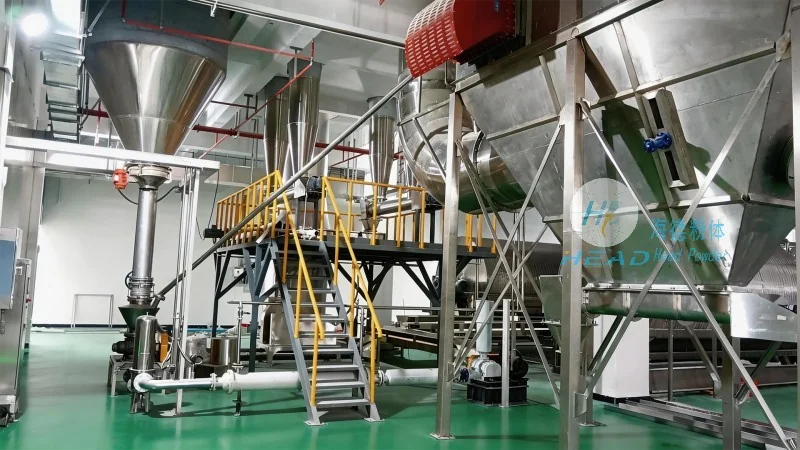
The design of neoprene material handling systems also prioritizes operational efficiency and maintenance. Neoprene components are designed to be low-maintenance, with features like self-lubricating properties that reduce friction and wear, thereby extending equipment lifespan and reducing repair costs. Additionally, neoprene’s resistance to UV radiation and ozone makes it suitable for outdoor applications, such as in agricultural or construction material handling. HeadPowder’s expertise in neoprene material handling lies in their ability to balance these design principles with practical application, delivering solutions that enhance operational efficiency and safety across various industries.
Conclusion: The Role of Neoprene Material Handling in Modern Industries
In conclusion, neoprene material handling is a robust and versatile solution for industries requiring reliable material transport under challenging conditions. The design principles of material compatibility, mechanical durability, and system integration, combined with the unique properties of neoprene, make it an ideal choice for a wide range of applications. Companies like Shandong HeadPowder Engineering Co., Ltd. play a crucial role in advancing these technologies, providing tailored solutions that meet both performance and cost-effectiveness, thereby contributing to the efficiency and safety of global industrial operations.




