Ammonium fertilizer, a vital component in modern agricultural practices, often requires efficient and reliable transportation systems to ensure optimal distribution and application. Pneumatic conveying has emerged as a highly effective method for handling such materials, offering advantages in terms of safety, speed, and environmental friendliness. This article explores the fundamental aspects of ammonium fertilizer pneumatic conveying, focusing on its design principles and the technical considerations that underpin this critical process.
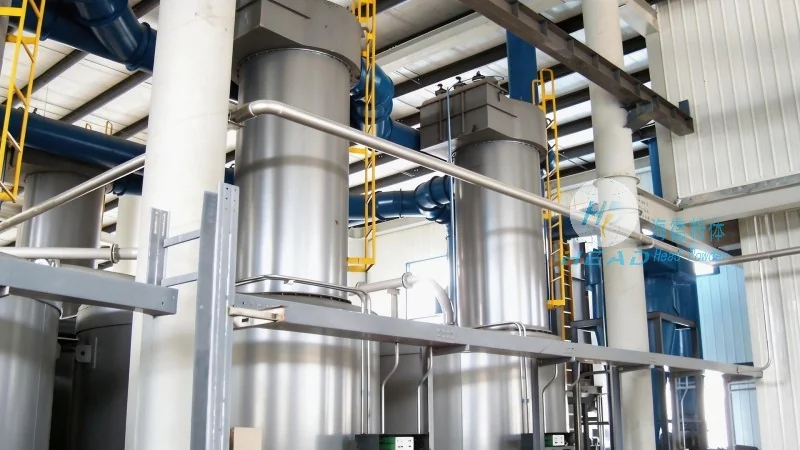
Understanding Ammonium Fertilizer Pneumatic Conveying
Ammonium fertilizer, typically in the form of granules or powders, presents unique challenges during handling due to its chemical properties and physical characteristics. Traditional methods such as belt conveyors or bucket elevators may not be suitable for materials that are hygroscopic, corrosive, or prone to dust generation. Pneumatic conveying systems, which utilize air or gas to transport bulk materials through a pipeline network, provide a solution that addresses these challenges while maintaining high operational efficiency. The process involves creating a pressure differential within the system, either by using a vacuum (negative pressure) or pressure (positive pressure) to move the fertilizer from the source to the destination.
Key Design Principles of Ammonium Fertilizer Pneumatic Conveying Systems
The design of an ammonium fertilizer pneumatic conveying system is governed by several critical principles that ensure its effectiveness and reliability. These principles include the selection of appropriate air velocity, the determination of the conveying line's diameter and length, the choice of suitable equipment such as blowers or vacuum pumps, and the implementation of proper material handling components like feeders, separators, and receivers. Each of these elements plays a vital role in maintaining the system's performance and preventing issues such as blockages, material degradation, or system inefficiencies.
A critical design consideration is the air velocity, which must be sufficient to overcome the material's resistance to flow while avoiding excessive energy consumption. The velocity is typically determined based on the material's properties, including its particle size, density, and flowability. For ammonium fertilizer, a moderate air velocity is often recommended to prevent particle degradation and ensure smooth transport. The conveying line's diameter is another key factor, as it directly impacts the system's capacity and pressure drop. A larger diameter reduces friction losses but increases material hold-up time, while a smaller diameter may lead to higher energy costs and potential blockages.
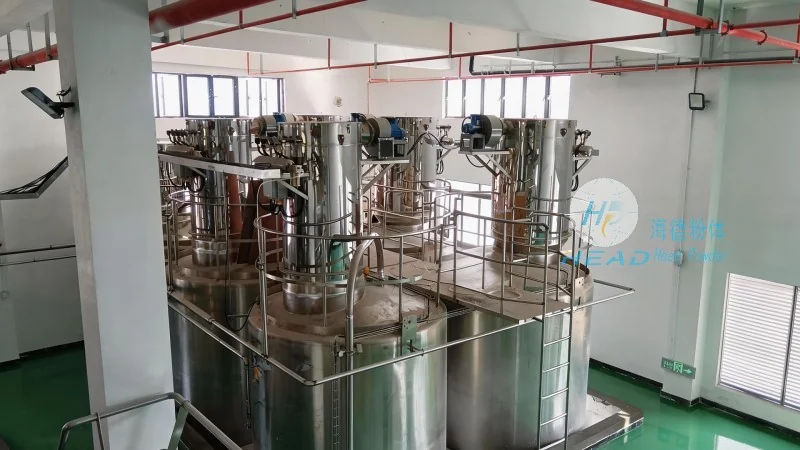
Equipment Selection and System Components
HeadPowder, a leading engineering company based in Shandong, China, specializes in the design and implementation of advanced pneumatic conveying systems for various bulk materials, including ammonium fertilizers. The company's expertise lies in tailoring systems to meet specific customer requirements, ensuring optimal performance and longevity. The core components of a pneumatic conveying system for ammonium fertilizer include the following:
1. **Feeder**: The feeder is responsible for feeding the ammonium fertilizer into the conveying line at a controlled rate. It must be designed to handle the material's characteristics, such as its flowability and potential for caking, to ensure consistent and reliable material delivery. HeadPowder utilizes high-quality feeders that minimize material degradation and prevent blockages.
2. **Conveying Line**: The conveying line is the main pathway for transporting the fertilizer. It is typically made of corrosion-resistant materials, such as stainless steel or special alloys, to withstand the chemical properties of ammonium fertilizer and prevent contamination. The line's diameter and length are carefully calculated based on the system's design principles to ensure efficient material transport.
3. **Blower or Vacuum Pump**: The blower or vacuum pump provides the necessary air or gas to create the pressure differential required for conveying. The selection of the appropriate equipment depends on the system's capacity, the material's properties, and the desired conveying distance. HeadPowder offers a range of blowers and vacuum pumps that are specifically designed for handling ammonium fertilizers, ensuring high efficiency and low maintenance costs.
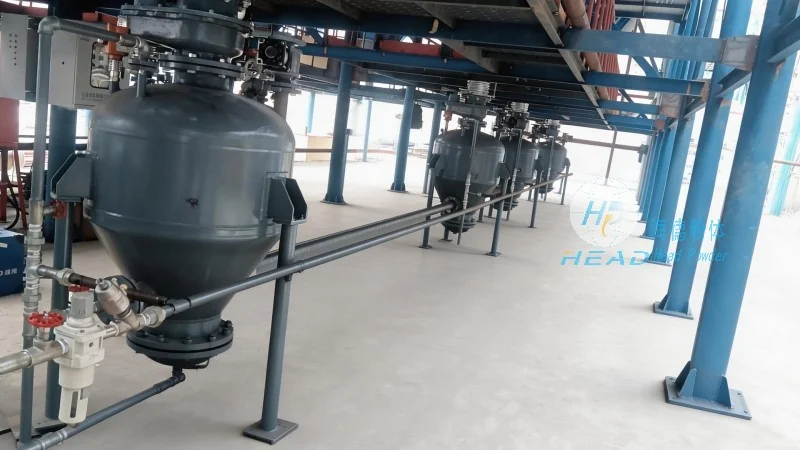
4. **Separator and Receiver**: The separator and receiver are essential components for collecting the fertilizer at the destination and separating any air or dust from the material. The separator uses centrifugal force or other mechanisms to separate the material from the air stream, while the receiver stores the collected fertilizer in a controlled manner. These components are designed to prevent material loss and ensure a clean, efficient system operation.
Advantages of Ammonium Fertilizer Pneumatic Conveying
Pneumatic conveying systems for ammonium fertilizers offer several advantages over traditional methods. These include improved safety, as the system is enclosed and prevents dust exposure and material spillage. Additionally, the process is highly efficient, with minimal material degradation and reduced energy consumption compared to other methods. The enclosed nature of the system also helps in maintaining the quality of the fertilizer, preventing contamination from external sources. Furthermore, pneumatic conveying allows for flexible system layouts, enabling the integration of multiple conveying lines and destinations within a single system.
Conclusion
Ammonium fertilizer pneumatic conveying is a sophisticated and effective method for transporting bulk materials, driven by well-defined design principles and advanced equipment. Companies like HeadPowder, with their expertise in engineering and material handling, play a crucial role in implementing these systems to meet the demands of modern agriculture. By adhering to the key design principles and utilizing high-quality components, pneumatic conveying systems can provide reliable, efficient, and safe transportation of ammonium fertilizers, contributing to the overall productivity and sustainability of agricultural operations.




