Pneumatic conveying systems are widely used in various industrial sectors for the efficient transport of bulk materials. When it comes to materials like aluminum foil, specialized designs are required to handle the unique properties of this lightweight, flexible, and often abrasive material. This article explores the concept of aluminum foil pneumatic conveying, its underlying design principles, and the practical considerations that make it an effective solution for material handling.
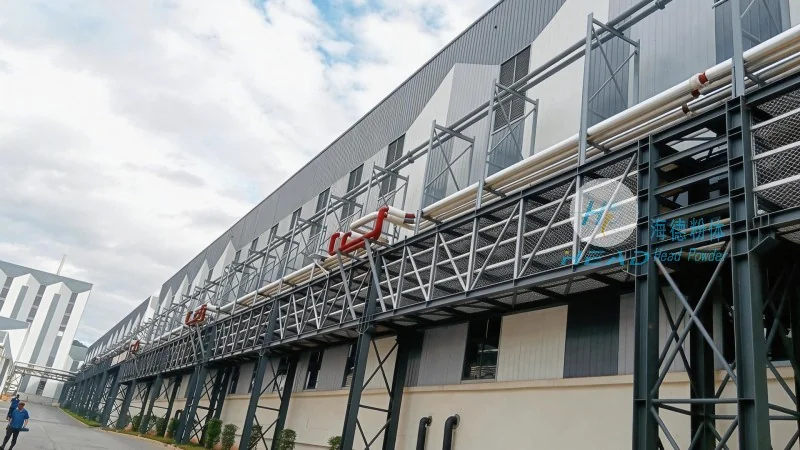
Company Overview: Shandong HeadPowder Engineering Co., Ltd.
At the heart of aluminum foil pneumatic conveying solutions is Shandong HeadPowder Engineering Co., Ltd., a leading manufacturer and supplier of advanced material handling equipment. With a strong focus on innovation and customer-centric design, HeadPowder specializes in creating customized pneumatic conveying systems tailored to the specific needs of industries dealing with aluminum foil and other delicate materials. HeadPowder's expertise lies in integrating robust engineering with practical application, ensuring systems that are both efficient and reliable.
What is Aluminum Foil Pneumatic Conveying?
Aluminum foil pneumatic conveying refers to the process of transporting aluminum foil sheets or particles through a system using compressed air or other gases. Unlike traditional mechanical conveying methods, which may cause damage or contamination to the foil, pneumatic systems offer a non-contact, low-friction approach that preserves the integrity of the material. The system typically consists of a hopper, a conveyor line, and a collection device, all connected by a network of pipes and valves. The compressed air creates a flow that pulls or pushes the aluminum foil through the system, ensuring smooth and continuous movement.
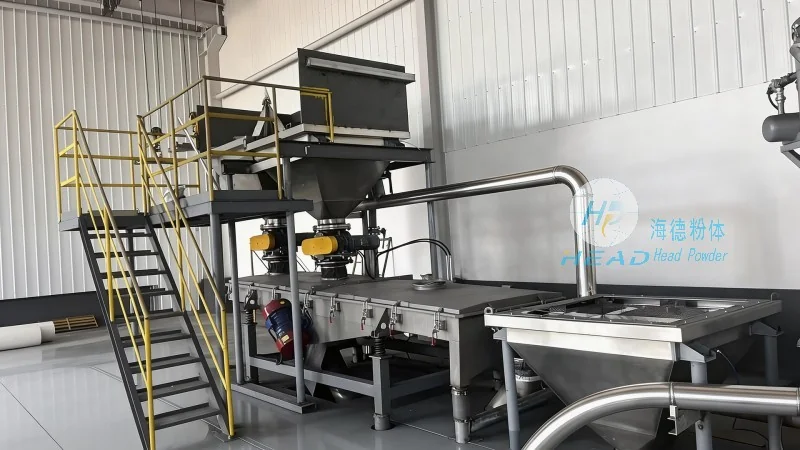
The Core Design Principles of Pneumatic Conveying Systems
The design of aluminum foil pneumatic conveying systems is governed by several key principles aimed at optimizing performance and material handling. First, the system must maintain a consistent air pressure and flow rate to prevent material blockages or degradation. This is achieved through the use of high-quality air filters and pressure regulators that ensure clean, dry air is used. Second, the pipe diameter and length are carefully calculated to minimize pressure drop and energy consumption. For aluminum foil, which is lightweight and prone to static, anti-static measures are integrated into the system to prevent material buildup and ensure smooth flow. Third, the system is designed to handle the unique properties of aluminum foil, such as its flexibility and potential for tearing, by using smooth, rounded components and gentle air velocities.
Key Components and Their Functions in Aluminum Foil Conveying Systems
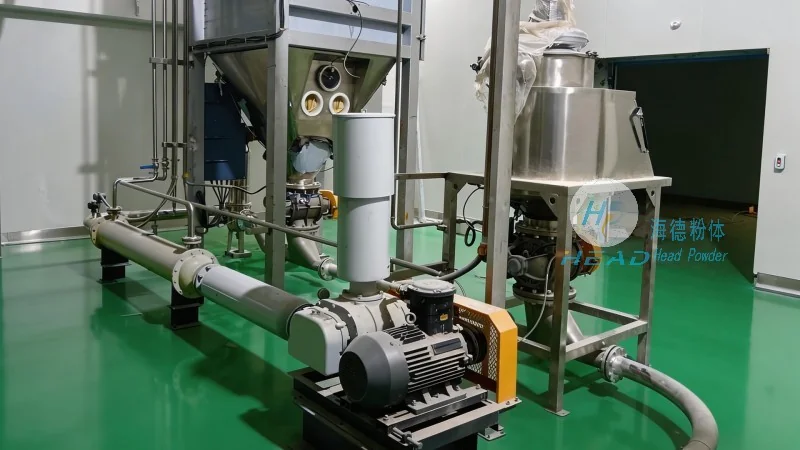
Several critical components work together to ensure the efficient operation of aluminum foil pneumatic conveying systems. The hopper serves as the storage and feeding unit, where aluminum foil is loaded and prepared for transport. It is designed with a wide opening to accommodate large quantities of material and features a smooth interior to prevent material sticking. The conveyor line, typically made of stainless steel or other corrosion-resistant materials, is the main pathway for the aluminum foil. It is equipped with bends and turns that are carefully angled to minimize friction and maintain the material's integrity. The air nozzle or venturi is a crucial component that generates the airflow necessary to move the material. It uses the pressure difference between the inlet and outlet to create a suction or pressure that pulls the aluminum foil through the system. Finally, the collection device, such as a cyclone or bag filter, separates the aluminum foil from the air and collects it in a designated container.
Advantages of Using Aluminum Foil in Pneumatic Conveying Applications
Aluminum foil offers several advantages when used in pneumatic conveying systems. First, its lightweight nature reduces the overall energy consumption of the system, as less force is required to move the material. Second, the material's flexibility allows it to navigate through the system's bends and turns without breaking or tearing. Third, aluminum foil is resistant to corrosion and can be used in environments where other materials may degrade. Additionally, the non-contact nature of pneumatic conveying prevents contamination from external sources, ensuring the purity of the aluminum foil. These advantages make aluminum foil an ideal material for industries such as food packaging, pharmaceuticals, and electronics, where material integrity and quality are paramount.
Practical Applications and Industry Uses
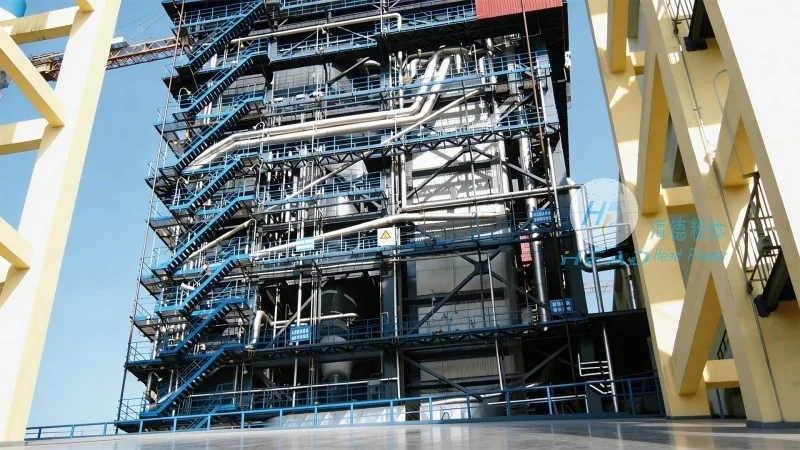
Aluminum foil pneumatic conveying systems are widely used in various industries that handle aluminum foil as a raw material or product. In the food industry, for example, aluminum foil is used to package food products, and pneumatic conveying systems are used to transport the foil from storage to packaging lines. In the pharmaceutical industry, aluminum foil is used to package medications, and the systems ensure that the foil is handled without contamination, maintaining the product's quality and safety. In the electronics industry, aluminum foil is used in components such as capacitors and batteries, and the systems ensure that the foil is transported without damage, preserving its electrical properties. Other applications include the transport of aluminum foil in manufacturing plants, where it is used as a substrate for printing or coating processes.
Conclusion and Contact Information
Aluminum foil pneumatic conveying is a sophisticated and effective method for handling aluminum foil in industrial settings. By understanding the design principles and components of these systems, industries can optimize their material handling processes, reduce costs, and improve product quality. Shandong HeadPowder Engineering Co., Ltd. remains at the forefront of developing advanced aluminum foil pneumatic conveying solutions, providing customized systems that meet the unique needs of their clients. For more information about aluminum foil pneumatic conveying systems and how HeadPowder can assist with your material handling needs, please contact us at our headquarters in Shandong, China.




