HeadPowder, a leading engineering company based in Shandong, China, specializes in the design and implementation of pneumatic conveying systems for cement and mineral powders. This technology is crucial for efficiently transporting bulk materials in various industrial applications, ensuring smooth operations and minimal material loss. The following sections explore the fundamental aspects of this process and its underlying design principles.
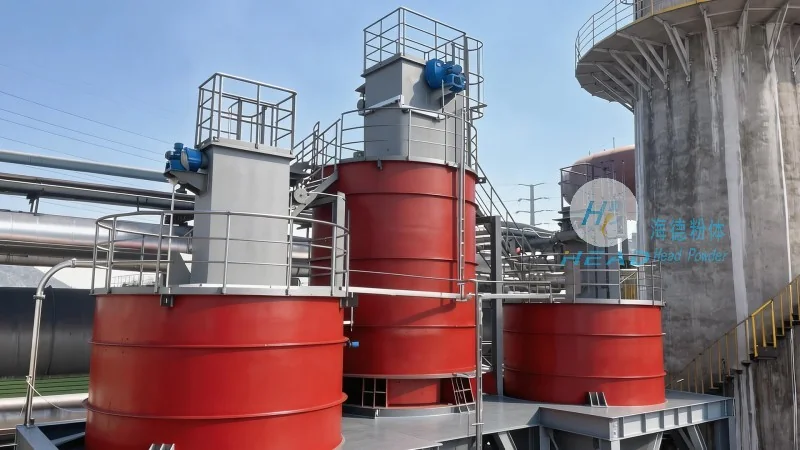
Understanding Pneumatic Conveying Systems
Pneumatic conveying, or air-based material transport, involves the use of air or gas to move solid particles through a pipeline. In the context of cement and mineral powders, this method offers several advantages over traditional mechanical systems, such as reduced equipment wear, lower maintenance costs, and the ability to handle fine, dusty materials without clogging. The core components of a typical pneumatic conveying system include a material feed hopper, a conveyor line, a dust collector, and a control system. Each component plays a vital role in ensuring the efficient and safe transport of the powder.
Key Design Principles for Cement and Mineral Powder Conveying
The design of a pneumatic conveying system for cement and mineral powders requires careful consideration of several factors to optimize performance and reliability. One of the primary design principles is the selection of the appropriate conveying velocity. The velocity must be high enough to prevent material settling or clogging in the pipeline but low enough to avoid excessive wear on the system components. Engineers at HeadPowder typically use the "critical velocity" concept, which is the minimum velocity required to keep the material suspended in the air stream. This is calculated based on the particle size, density, and shape of the powder, as well as the air pressure and flow rate.
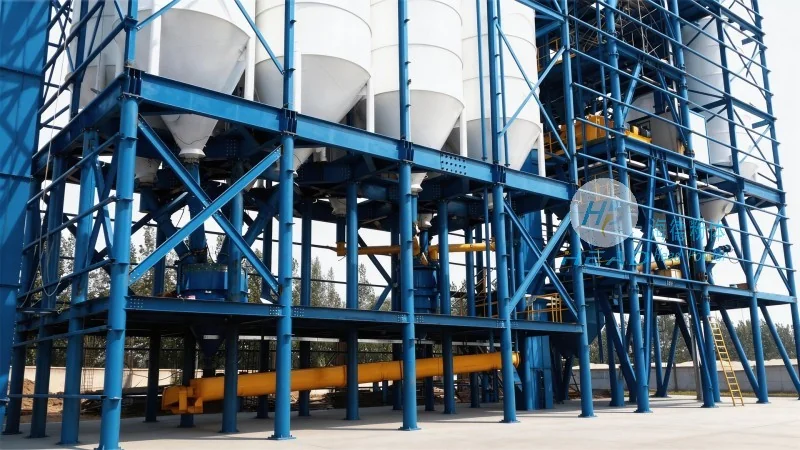
Another critical design principle is the choice of the conveying system type. There are two main categories: dilute-phase and dense-phase systems. Dilute-phase systems operate at higher velocities and lower material concentrations, making them suitable for long-distance transport and handling of fine powders. Dense-phase systems, on the other hand, use lower velocities and higher material concentrations, which is ideal for short-distance transport and handling of larger particles or materials that are prone to clogging. The selection of the system type depends on the specific application requirements, including the distance between the source and destination, the material characteristics, and the desired flow rate.
System Components and Their Functions
Each component of a pneumatic conveying system for cement and mineral powders serves a specific purpose, contributing to the overall efficiency and safety of the operation. The material feed hopper is responsible for storing and feeding the powder into the system. It is designed to prevent material bridging or segregation, which can lead to uneven flow and system inefficiencies. The hopper typically includes a feeder, such as a rotary valve or a screw feeder, to control the flow rate of the material.
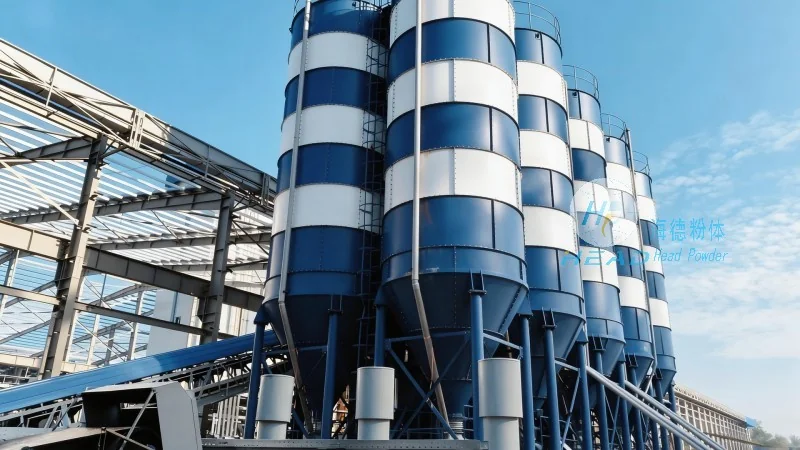
The conveyor line is the main pathway for the material transport. It is usually made of metal or plastic, depending on the material being conveyed and the operating conditions. The line is equipped with bends, elbows, and other fittings to direct the material along the desired path. The diameter of the line is determined based on the material flow rate and the conveying velocity, ensuring that the material remains suspended and does not settle.
The dust collector is a crucial component for maintaining air quality and preventing dust emissions. It captures any fine particles that may escape from the system and filters the air before releasing it back into the environment. The type of dust collector used depends on the material properties and the required air filtration efficiency. Common types include cyclone separators and bag filters.
The control system is responsible for monitoring and regulating the operation of the pneumatic conveying system. It includes sensors for measuring pressure, flow rate, and material level, as well as controllers to adjust the air pressure and flow rate as needed. The control system ensures that the system operates within safe and efficient parameters, preventing overloading or underloading of the components.
Applications and Benefits in Industrial Settings
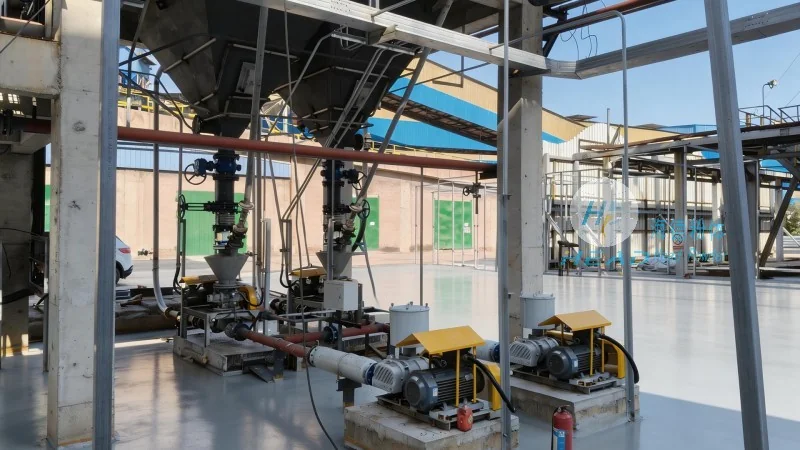
Pneumatic conveying systems for cement and mineral powders are widely used in various industrial applications, including cement production, mining, and chemical processing. In cement plants, these systems are used to transport raw materials, such as limestone and clay, from storage silos to the grinding mills. In mining operations, they are used to transport ore and other minerals from the mine to processing facilities. In chemical plants, they are used to transport powders like calcium carbonate and silica.
The benefits of using pneumatic conveying systems for cement and mineral powders are numerous. First, it offers a high degree of automation, reducing the need for manual labor and minimizing the risk of human error. Second, it provides a clean and dust-free environment, improving worker safety and reducing the risk of respiratory diseases. Third, it reduces material loss and waste, as the system is designed to minimize spillage and clogging. Finally, it offers a cost-effective solution compared to traditional mechanical systems, with lower maintenance and operational costs.




