HeadPowder, or Shandong HeadPowder Engineering Co., Ltd., based in Shandong, China, specializes in the design and implementation of pneumatic conveying systems for various powder materials, including zinc oxide powder. This article explores the concept of zinc oxide powder pneumatic conveying and the underlying design principles that ensure efficient and reliable material transport.
Understanding Zinc Oxide Powder Pneumatic Conveying
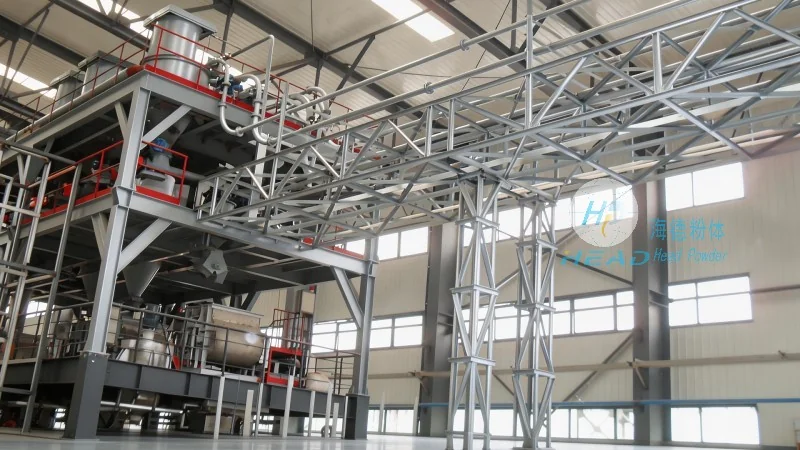
Zinc oxide powder pneumatic conveying is a method of transporting dry powder materials, such as zinc oxide, through a pipeline using a carrier gas, typically air. This technology offers several advantages over traditional bulk material handling methods, including reduced dust exposure, improved safety, and the ability to transport materials over long distances without the need for mechanical equipment like conveyors or elevators. The process involves introducing the zinc oxide powder into a hopper or feeder, where it is then mixed with the carrier gas and propelled through the pipeline to the destination point, such as a storage silo or processing unit.
Key Design Principles for Zinc Oxide Powder Pneumatic Conveying Systems
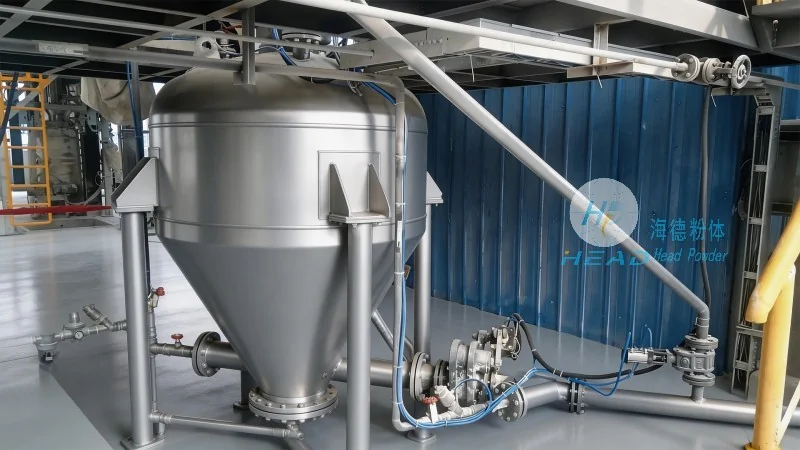
The successful operation of a zinc oxide powder pneumatic conveying system relies on several critical design principles. First, the selection of the appropriate carrier gas is essential. Air is commonly used due to its availability and low cost, but other gases like nitrogen or carbon dioxide may be employed for specific applications requiring inert or non-reactive environments. The velocity of the gas within the pipeline is a key factor; it must be high enough to prevent the powder from settling or clogging the system but low enough to avoid excessive wear on the pipeline and components. The system design also considers the particle size and density of the zinc oxide powder, as these properties influence the required gas velocity and pressure. For zinc oxide powder, which typically has a fine particle size and moderate density, the design must ensure that the gas flow is sufficient to maintain the powder in a suspended state throughout the conveying process.
Components and System Layout in Zinc Oxide Powder Pneumatic Conveying
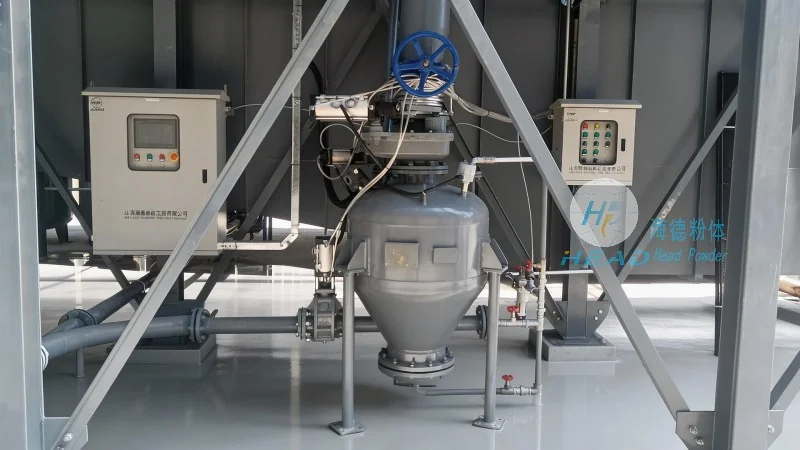
A typical zinc oxide powder pneumatic conveying system consists of several key components. The primary components include a hopper or feeder for storing and feeding the zinc oxide powder, a blower or compressor to generate the carrier gas, a pipeline network to transport the powder, and a receiver or silo to collect the material at the destination. The hopper is designed with a smooth interior and a discharge valve to ensure consistent feeding of the powder. The blower provides the necessary pressure and flow rate to move the powder through the pipeline. The pipeline is usually made of materials resistant to corrosion and wear, such as stainless steel or plastic, to accommodate the zinc oxide powder's potential chemical properties. The receiver is equipped with a dust collection system to capture any fine particles that may escape during the conveying process, ensuring environmental compliance and product purity.
Advantages and Considerations for Zinc Oxide Powder Pneumatic Conveying
Implementing a zinc oxide powder pneumatic conveying system offers numerous benefits for industrial applications. One of the most significant advantages is the reduction in dust exposure, which enhances workplace safety and improves product quality by minimizing contamination. Additionally, the system allows for flexible and scalable material transport, as the pipeline can be easily extended or reconfigured to accommodate changes in production needs. The technology also reduces the need for manual handling, thereby lowering labor costs and improving operational efficiency. However, there are several considerations to keep in mind when designing a zinc oxide powder pneumatic conveying system. The system must be designed to handle the specific properties of the zinc oxide powder, such as its particle size distribution, moisture content, and chemical reactivity. The selection of appropriate materials for the pipeline and components is crucial to prevent corrosion or degradation over time. Furthermore, the system must be equipped with proper maintenance and monitoring tools to ensure consistent performance and identify any potential issues before they lead to system failures.




