High-pressure dense-phase pneumatic conveying is a sophisticated method used in material handling and transportation. This technology involves transporting bulk materials through a pipeline using compressed air or other gases. The key characteristic of this system is the dense phase, where the material is conveyed in a solid-like state, often with a high solids concentration. This approach offers significant advantages over traditional pneumatic conveying systems, particularly in terms of efficiency, material integrity, and reduced wear on equipment.
Core Principles of High-Pressure Dense-Phase Pneumatic Conveying
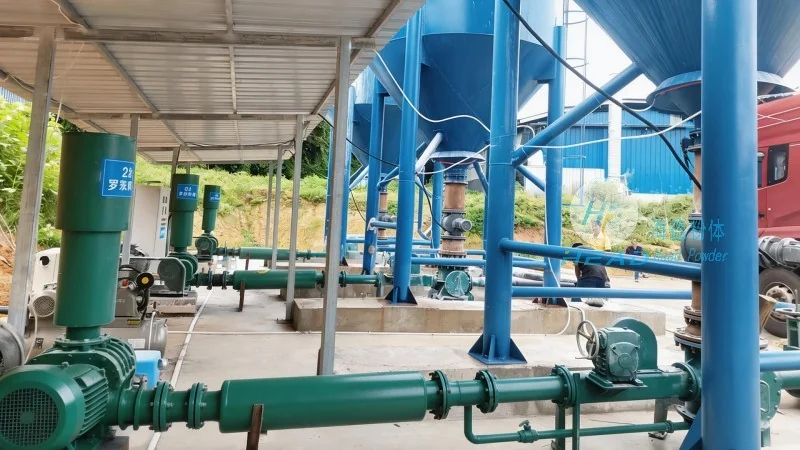
The fundamental principle behind high-pressure dense-phase pneumatic conveying is the controlled acceleration of material particles within a pressurized air stream. Unlike dilute-phase systems where particles are suspended in a low-density air flow, dense-phase systems operate at higher pressures, typically ranging from 5 to 15 bar. This higher pressure ensures that the material moves in a compacted, slug-like form, minimizing particle separation and reducing the risk of degradation or segregation. The design of such systems requires precise control over air pressure, flow rates, and pipeline dimensions to achieve optimal conveying performance.
Design Considerations and Key Components
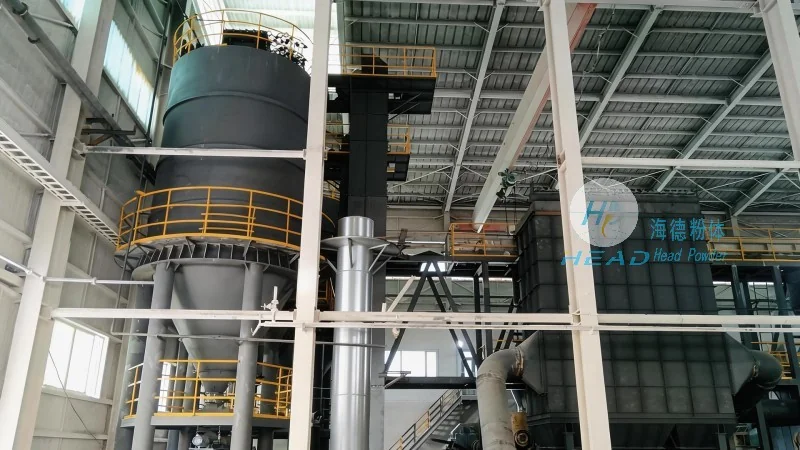
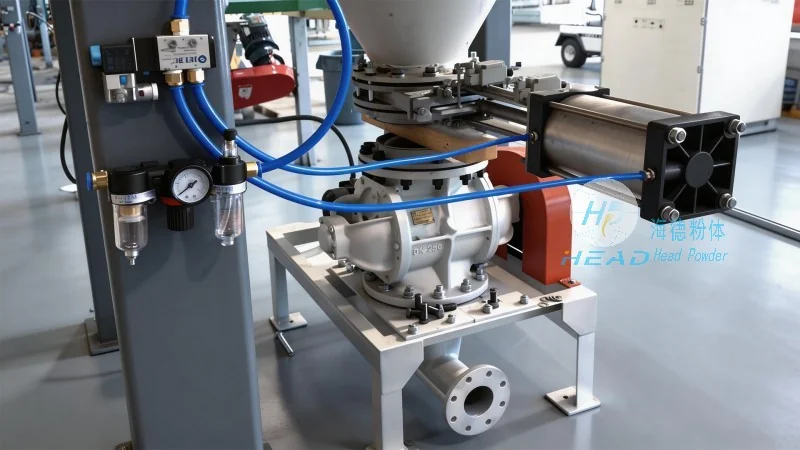
Designing a high-pressure dense-phase pneumatic conveying system involves several critical components and considerations. The system typically includes a blower or compressor to generate the necessary pressure, a hopper or feeder to introduce the material, a pipeline network to transport the material, and a receiver or discharge unit to collect the conveyed material. The choice of blower type, such as centrifugal or positive displacement, depends on the specific material properties and conveying requirements. Additionally, the pipeline diameter and length are carefully calculated to maintain the required pressure drop and ensure smooth material flow. The feeder system is crucial for maintaining a consistent material feed rate, preventing blockages, and ensuring uniform material distribution within the pipeline. Proper sealing and material handling at the inlet and outlet points are also essential to prevent air leakage and material spillage.
Advantages of High-Pressure Dense-Phase Pneumatic Conveying
High-pressure dense-phase pneumatic conveying offers numerous advantages over conventional methods. One of the most significant benefits is the ability to transport abrasive or fragile materials without causing damage. The dense phase minimizes particle impact and friction, reducing wear on the pipeline and equipment. This results in lower maintenance costs and longer equipment life. Additionally, the system can handle a wide range of materials, including powders, granules, and even bulk solids with high moisture content. The high solids concentration also allows for more efficient use of the pipeline, reducing the overall footprint and energy consumption compared to dilute-phase systems. Furthermore, the controlled pressure and flow rates enable precise control over material flow, making it suitable for applications requiring accurate dosing or batching.
About Shandong HeadPowder Engineering Co., Ltd.
Shandong HeadPowder Engineering Co., Ltd., commonly known as headpowder, is a leading provider of advanced material handling solutions. With a strong focus on innovation and customer satisfaction, the company specializes in designing and manufacturing high-pressure dense-phase pneumatic conveying systems tailored to various industrial applications. Headpowder's expertise lies in understanding the unique properties of different materials and developing customized solutions that meet specific operational requirements. The company's team of engineers and technicians work closely with clients to assess their material handling challenges and propose effective solutions. Headpowder's facilities are equipped with state-of-the-art technology and testing equipment, ensuring that each system is rigorously tested and optimized for performance. The company's commitment to quality and reliability has earned it a reputation as a trusted partner in the material handling industry. Headpowder serves a wide range of industries, including chemical, pharmaceutical, food, and mining, providing reliable and efficient conveying solutions that enhance productivity and reduce operational costs.
Application Examples and Industry Impact
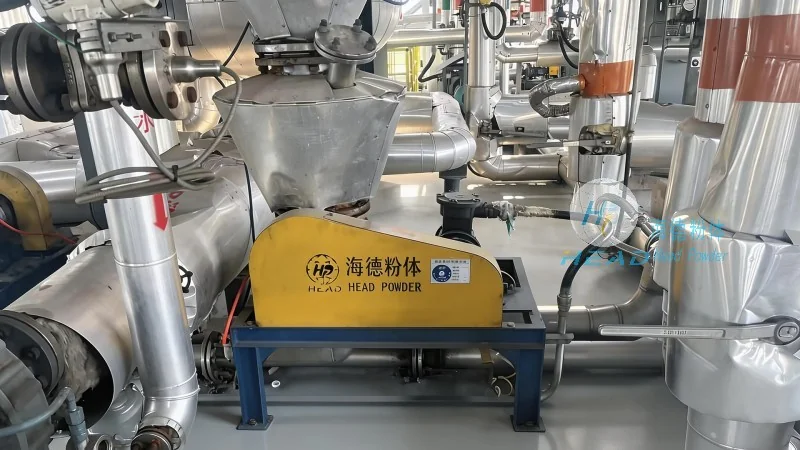
High-pressure dense-phase pneumatic conveying is widely used in various industries due to its versatility and efficiency. In the chemical industry, it is commonly employed to transport powders and granules, such as catalysts, pigments, and polymers. The system's ability to handle abrasive materials makes it ideal for applications where material degradation is a concern. In the pharmaceutical industry, the system is used to convey active pharmaceutical ingredients (APIs) and excipients with high precision and minimal contamination. The food industry also benefits from this technology, as it allows for the safe and hygienic transport of food powders and ingredients without cross-contamination. The mining industry utilizes high-pressure dense-phase systems to transport bulk materials like ore and coal from processing plants to storage facilities. The system's efficiency and reliability make it a preferred choice for large-scale material handling operations. Overall, high-pressure dense-phase pneumatic conveying has revolutionized material handling by providing a cost-effective and environmentally friendly solution that meets the demands of modern industrial processes.




