Small bag pneumatic conveying is a specialized method used in material handling and processing industries to transport bulk materials through an enclosed system using air pressure. This technology is particularly effective for handling fine powders and granular substances, offering advantages such as low maintenance, minimal product contamination, and the ability to operate in various environments. The system typically involves a hopper, a conveyor line, and a receiver, all connected by a network of pipes. Air is introduced into the system, creating a flow that moves the material from the source to the destination. This method is widely adopted in sectors like pharmaceuticals, food processing, and chemical manufacturing due to its efficiency and adaptability.
The Core Design Principles of Small Bag Pneumatic Conveying Systems
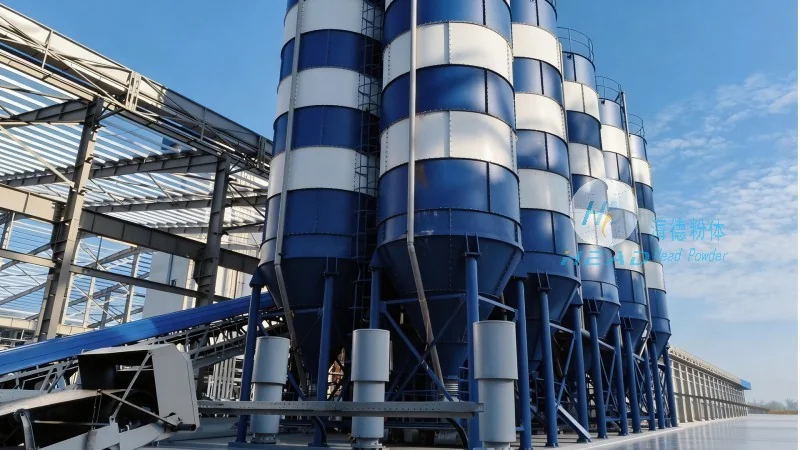
The design of small bag pneumatic conveying systems is built on several fundamental principles that ensure optimal performance and reliability. The first principle is the selection of appropriate air velocity, which must be sufficient to overcome the resistance of the material and the system's components. This velocity is crucial for maintaining a stable flow and preventing material settling or blockages. Another key principle is the use of appropriate equipment, including hoppers with proper feeding mechanisms, such as rotary valves or vibratory feeders, to ensure consistent material discharge. The system's piping layout is also critical, as it must minimize bends and restrictions to maintain air flow efficiency. Additionally, the design incorporates dust collection and filtration systems to comply with environmental regulations and maintain air quality. The receiver, where the material is deposited, is designed to handle the material's characteristics, such as its bulk density and flowability, to prevent spillage and ensure safe handling.
Key Components and Their Functions in Small Bag Pneumatic Conveying
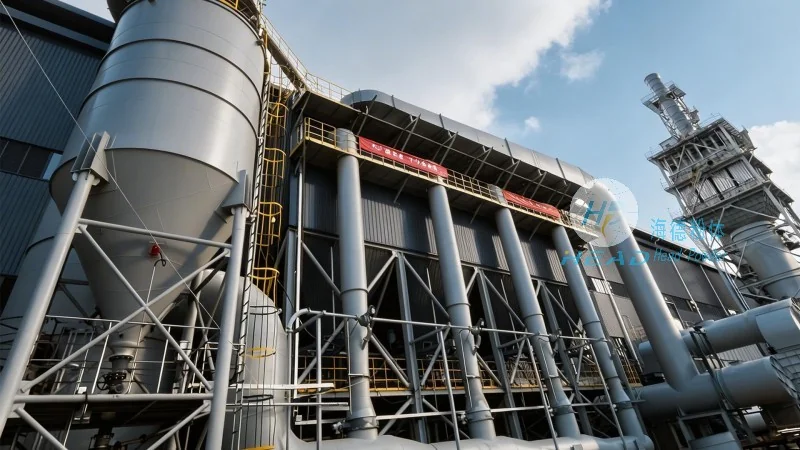
Several key components make up a small bag pneumatic conveying system, each playing a vital role in the overall operation. The hopper is the primary container where the material is stored before being conveyed. It is equipped with a feeding device, such as a rotary airlock or a screw feeder, which controls the material flow into the conveyor line. The conveyor line itself is a network of pipes that transport the material and air mixture. The air is introduced at the hopper end, creating a positive pressure that propels the material through the system. The receiver, located at the end of the conveyor line, collects the conveyed material. It is designed with a discharge valve or outlet to allow the material to be released into the next processing step. The system also includes a dust collector, which captures any airborne particles and filters the air before it is released back into the environment. This component is essential for maintaining air quality and complying with environmental standards. Additionally, the system may include a pressure regulator and a filter to control air pressure and purity, ensuring the material is not contaminated by foreign particles.
Advantages and Applications of Small Bag Pneumatic Conveying
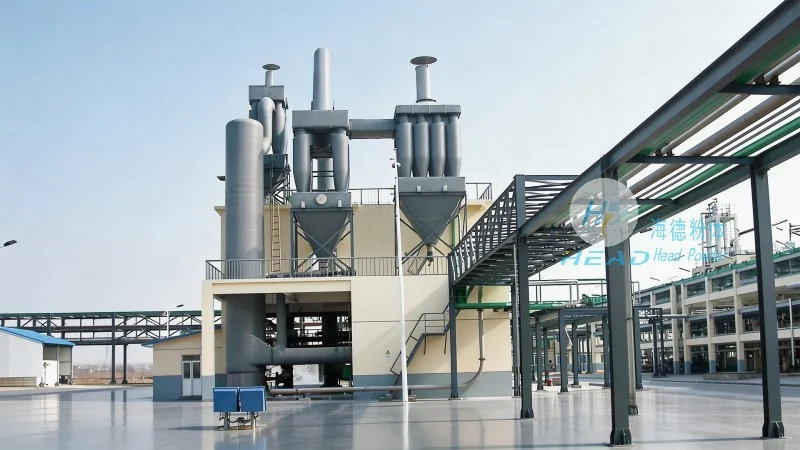
Small bag pneumatic conveying offers several advantages that make it a preferred choice for many industries. One of the main benefits is its ability to handle fine and sensitive materials without causing degradation or contamination. The enclosed system prevents exposure to air, moisture, or other contaminants, which is critical in industries like pharmaceuticals and food processing. Another advantage is the system's flexibility, as it can be easily adapted to different material types and processing requirements. The design allows for vertical, horizontal, or combined (vertical and horizontal) conveying, making it suitable for various plant layouts. Additionally, the system is relatively low maintenance, with fewer moving parts compared to other conveying methods, reducing downtime and operational costs. Small bag pneumatic conveying is widely used in applications such as transporting powders in pharmaceutical manufacturing, conveying granules in food processing plants, and moving chemicals in industrial settings. The technology is also suitable for handling hazardous materials, as the enclosed system prevents exposure to workers and the environment.
Company Profile: Shandong HeadPowder Engineering Co., Ltd.
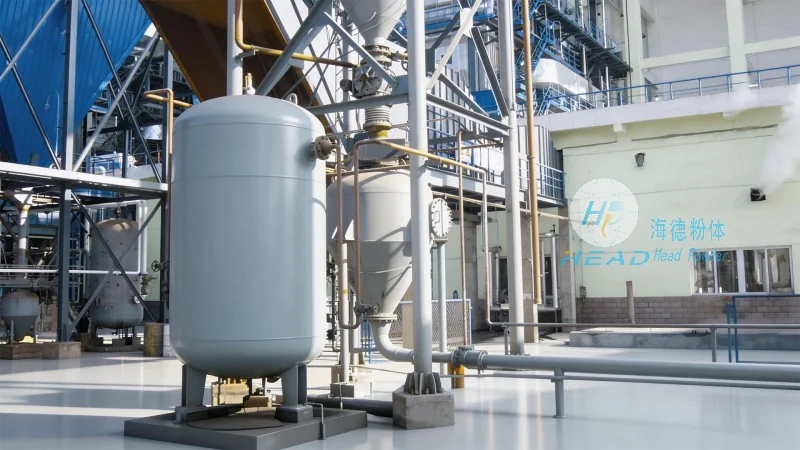
Shandong HeadPowder Engineering Co., Ltd., commonly known as HeadPowder, is a leading provider of pneumatic conveying solutions and related engineering services. The company specializes in designing, manufacturing, and installing small bag pneumatic conveying systems tailored to the specific needs of its clients. With a focus on innovation and quality, HeadPowder has developed advanced technologies to enhance the efficiency and reliability of material handling processes. The company's team of experienced engineers and technicians works closely with clients to understand their requirements and provide customized solutions. HeadPowder's products are designed to meet international standards and are backed by comprehensive technical support and after-sales service. The company serves a wide range of industries, including pharmaceuticals, food processing, chemicals, and manufacturing, helping businesses improve their operational efficiency and product quality. HeadPowder's commitment to excellence and customer satisfaction has made it a trusted partner in the industry, providing reliable and effective pneumatic conveying solutions for over [years, if available, but as per info, just state as a leading provider].




