White bean slice material handling is a specialized process used in food processing industries to efficiently transport and manage white bean slices. This technology is crucial for ensuring the smooth operation of production lines, especially in facilities that process legumes for various food products. The core of this process involves the use of conveyor systems, feeding mechanisms, and control systems designed to handle the unique physical properties of white bean slices, such as their size, shape, and moisture content.
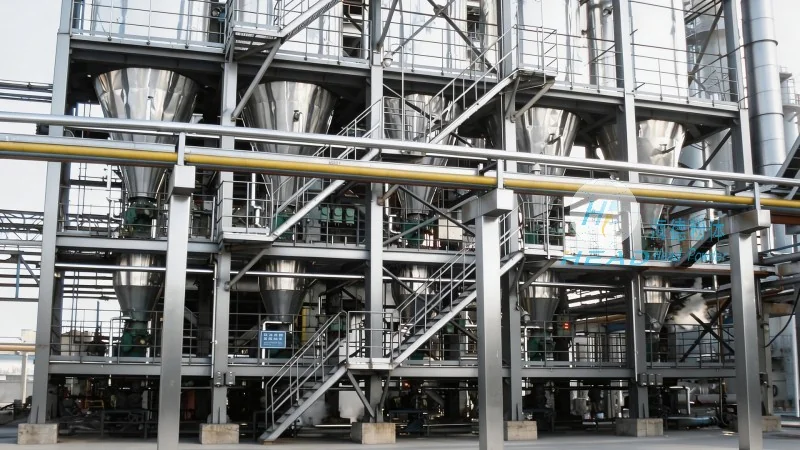
Key Components of White Bean Slice Material Handling Systems
At the heart of any white bean slice material handling system are several critical components that work in tandem to ensure efficient operation. The primary component is the conveyor system, which typically consists of belt conveyors or chain conveyors. These conveyors are engineered to handle the weight and dimensions of white bean slices without causing damage or degradation. For instance, the belt material is often chosen to be non-stick and gentle on the product surface, preventing sticking or bruising. Additionally, the conveyor speed is adjustable to match the processing capacity of the downstream equipment, such as sorting or packaging machines.
Another essential component is the feeding mechanism. This part of the system is responsible for uniformly distributing the white bean slices onto the conveyor belt. It may include vibrating feeders or rotary valves that ensure a consistent flow of material. The feeding mechanism is designed to handle variations in the size and density of the bean slices, which can occur due to differences in raw material quality or processing conditions. By maintaining a steady feed rate, the system minimizes bottlenecks and ensures that the conveyor operates at optimal efficiency.
Design Principles for Optimal Material Handling
The design principles of white bean slice material handling systems are centered on several key factors that contribute to their effectiveness. First, the system must prioritize the preservation of product quality. This means minimizing physical damage, such as crushing or tearing, which can affect the final product's appearance and texture. The conveyor and feeding components are designed with smooth surfaces and gentle motion to reduce the risk of such damage. For example, the use of rubber or plastic conveyor belts with low friction coefficients helps prevent the beans from being scratched or deformed.
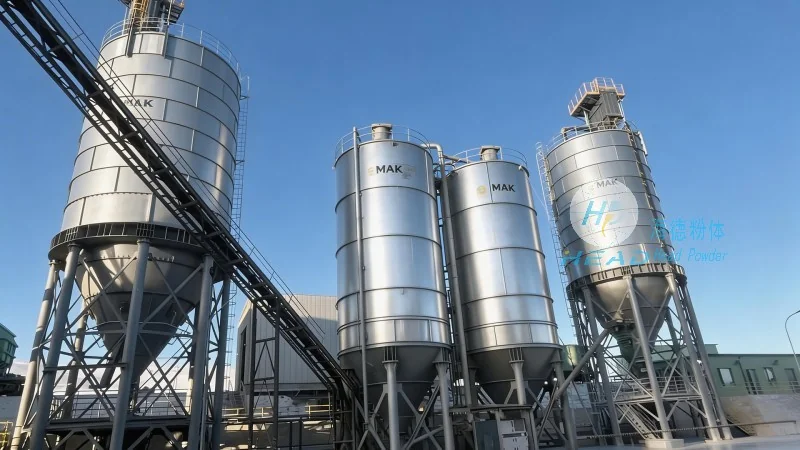
Second, the system must ensure high throughput and reliability. This is achieved through the integration of robust mechanical components and advanced control systems. The control system typically includes sensors and feedback mechanisms that monitor the flow of material and adjust the conveyor speed or feeding rate as needed. This dynamic adjustment helps maintain a consistent production rate, even when the raw material characteristics change. For instance, if the feed rate increases due to a higher volume of white bean slices, the control system can automatically increase the conveyor speed to prevent accumulation.
Third, the design must consider hygiene and maintenance. Since white bean slices are used in food processing, the equipment must meet strict sanitary standards. Materials used in the construction of the conveyor and feeding systems, such as stainless steel, are easy to clean and resistant to corrosion. The system is also designed with accessible components that allow for regular maintenance and cleaning, reducing downtime and ensuring long-term reliability.
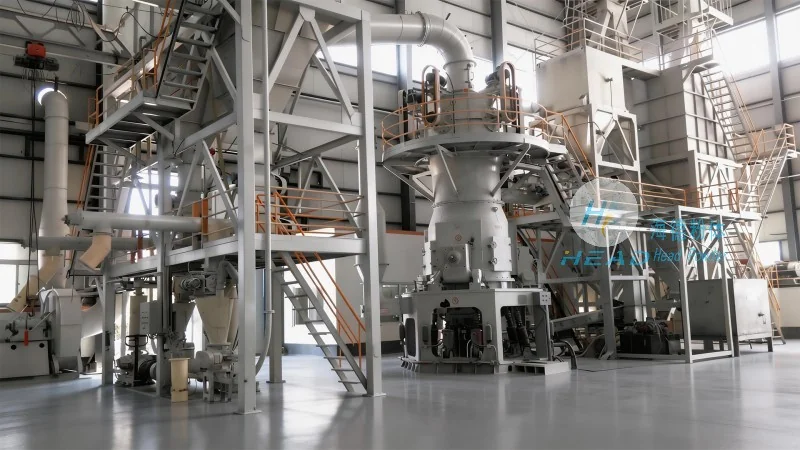
Application in Food Processing Facilities
White bean slice material handling systems are widely used in food processing facilities that produce various products, including canned beans, dried bean slices, and bean-based snacks. In these applications, the system is often integrated with other processing equipment, such as washing, sorting, and packaging machines. The efficient transport of white bean slices from one stage to the next is critical for maintaining production line continuity. For example, in a canning facility, the material handling system ensures that the white bean slices are delivered to the canning machine at a consistent rate, preventing delays and ensuring that the cans are filled uniformly.
The system's design also allows for flexibility in handling different types of bean slices. Whether the product is whole white beans that have been sliced or pre-sliced white bean pieces, the material handling system can be adjusted to accommodate the specific dimensions and characteristics of the material. This adaptability makes the system suitable for a range of food processing applications, from small-scale production to large industrial operations.
Conclusion
In summary, white bean slice material handling is a vital technology in the food processing industry, designed to efficiently transport and manage white bean slices while preserving product quality and ensuring high throughput. The design principles, including the use of robust components, advanced control systems, and hygienic materials, contribute to the effectiveness of these systems. As a leading provider of material handling solutions, Shandong HeadPowder Engineering Co., Ltd. specializes in developing customized systems that meet the specific needs of food processing facilities, ensuring optimal performance and reliability.




