Understanding the material handling of lithium battery mineral powders is crucial for optimizing production efficiency and ensuring safety in processing operations. This article explores the fundamental aspects of lithium battery mineral powder material handling, including its design principles and the key considerations involved in implementing effective systems.
Introduction to Lithium Battery Mineral Powder Material Handling
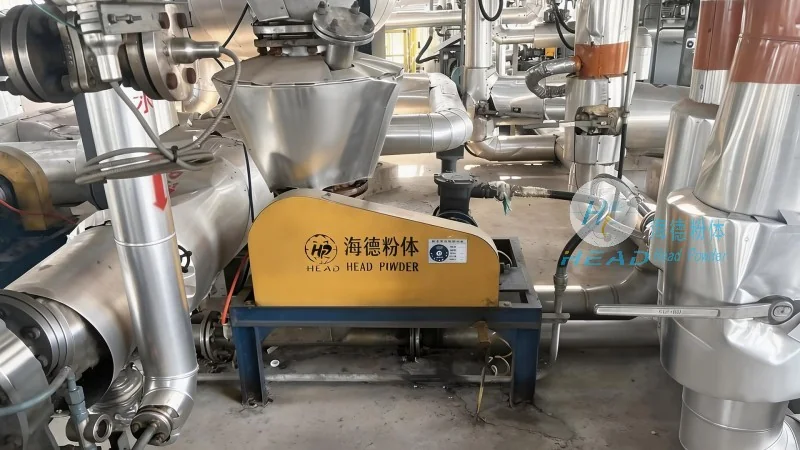
Lithium battery mineral powders, such as lithium carbonate, lithium hydroxide, and other raw materials used in battery manufacturing, require specialized handling due to their fine particle size, chemical properties, and the need for contamination control. Proper material handling systems are essential to maintain product quality, prevent dust explosions, and ensure smooth workflow in battery production facilities. The design of these systems must address challenges like dust generation, material flow control, and equipment durability under harsh conditions.
Key Design Principles for Lithium Battery Mineral Powder Handling
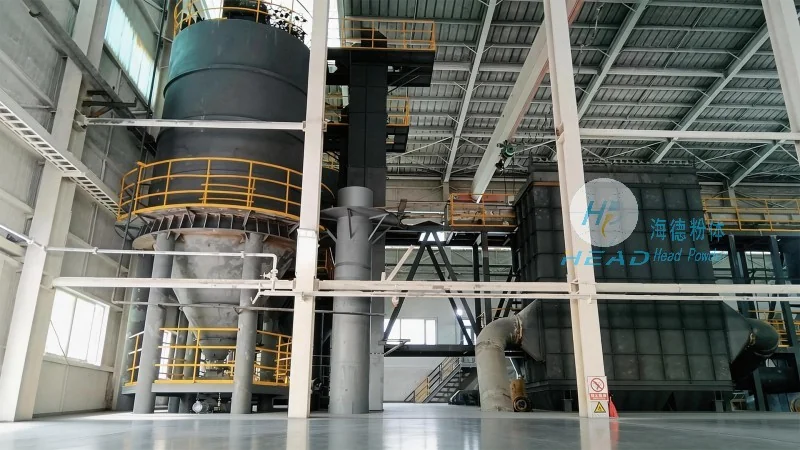
The design of lithium battery mineral powder material handling systems follows several critical principles to ensure efficiency and safety. First, containment and dust control are paramount to prevent environmental contamination and protect workers from hazardous dust exposure. Systems typically incorporate sealed hoppers, enclosed conveyor lines, and dust collection equipment to minimize airborne particles. Second, material flow management is crucial, as these powders can be prone to bridging, caking, or segregation if not handled properly. Designers use features like agitators, vibrators, and proper hopper geometry to ensure consistent material flow. Third, equipment selection must consider the chemical and physical properties of the powders, including particle size distribution, moisture content, and abrasiveness. High-quality, corrosion-resistant materials are often used for components that come into direct contact with the powders to extend equipment life and maintain product purity.
Components and Technologies in Lithium Battery Mineral Powder Handling Systems
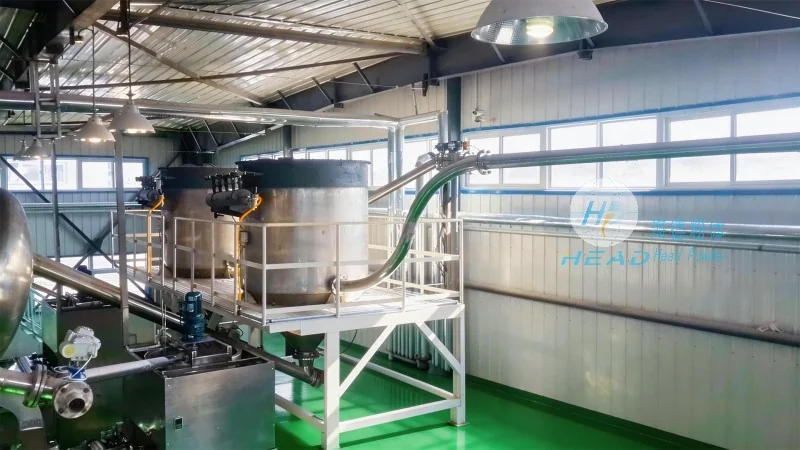
Lithium battery mineral powder handling systems typically consist of several key components working in concert. Hoppers or feeders are used to store and discharge the powders, often equipped with level sensors to monitor inventory. Conveyors, such as screw conveyors, belt conveyors, or pneumatic conveying systems, transport the powders between processing stages. Screw conveyors are common for horizontal or slight incline transport due to their ability to handle fine powders without segregation. Pneumatic conveying systems are used for longer distances or when high dust containment is required, using air pressure to move powders through pipelines. Additionally, dust collection systems, including baghouses or cartridge filters, are integrated to capture and filter any airborne particles, ensuring compliance with environmental regulations and worker safety standards.
About Shandong HeadPowder Engineering Co., Ltd.
Shandong HeadPowder Engineering Co., Ltd., commonly known as HeadPowder, is a leading provider of specialized material handling solutions for the lithium battery industry. With a focus on innovation and customer-centric design, HeadPowder develops and manufactures systems tailored to the unique challenges of lithium battery mineral powder processing. The company's expertise lies in designing robust, efficient, and safe handling systems that meet the stringent requirements of modern battery manufacturing. HeadPowder's solutions are engineered to enhance production efficiency, reduce downtime, and ensure the highest quality standards for lithium battery components. Based in Shandong, China, HeadPowder serves clients globally, delivering customized material handling solutions that address the specific needs of each project.




