For industrial applications involving the transport of potassium carbonate, pneumatic conveying systems offer an efficient and reliable method. This technology involves the use of air or other gases to move bulk materials like potassium carbonate through a pipeline network. Understanding the fundamentals of this process, as well as the underlying design principles, is crucial for optimizing performance and ensuring safe operation in various industrial settings.
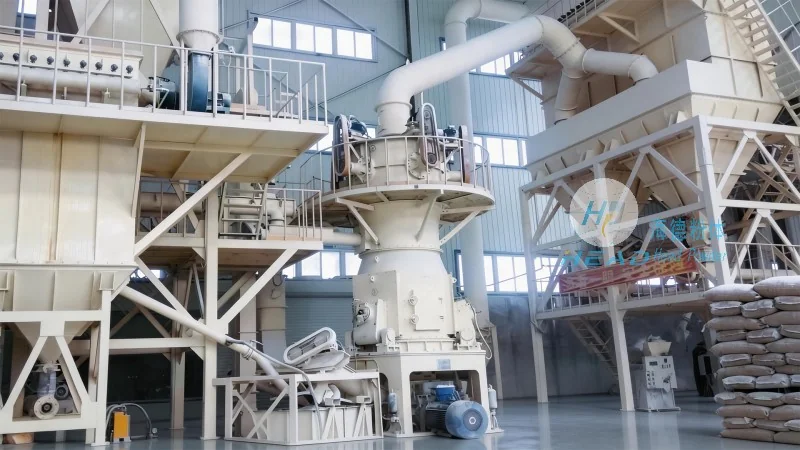
Potassium Carbonate: A Key Material in Industrial Processes
Potassium carbonate (K₂CO₃) is a widely used chemical compound in numerous industries, including pharmaceuticals, food processing, and chemical manufacturing. Its properties, such as high solubility and reactivity, make it essential for processes like buffering, dehydrating, and as a raw material in the production of other chemicals. When handling this material, especially in bulk quantities, efficient and safe transport methods are critical to maintain product quality and operational efficiency.
What Is Pneumatic Conveying? A Brief Overview
Pneumatic conveying is a technology that utilizes air or gas to transport solid materials through a pipeline. Unlike mechanical conveying systems that rely on belts, screws, or buckets, pneumatic systems use pressure differentials or vacuum to move material. This method is particularly suitable for materials like potassium carbonate, which may be dusty or require gentle handling to prevent degradation. The system typically consists of a material feed hopper, a conveying line, and a receiver or discharge point.
Design Principles of Potassium Carbonate Pneumatic Conveying Systems
The design of a potassium carbonate pneumatic conveying system involves several key principles to ensure optimal performance. First, the system must be designed to handle the specific properties of potassium carbonate, including its particle size distribution, flowability, and moisture content. The selection of appropriate air velocity is critical; too low a velocity may cause material settling or blockages, while too high a velocity can lead to excessive wear on equipment and energy inefficiency.
Second, the system must consider the pressure requirements. Positive pressure systems, where air is forced through the pipeline, are commonly used for short to medium distances, while negative pressure (or vacuum) systems are suitable for longer distances or when material needs to be drawn from a source. The choice of system depends on factors such as the distance between the feed and discharge points, the volume of material to be transported, and the available space for equipment installation.
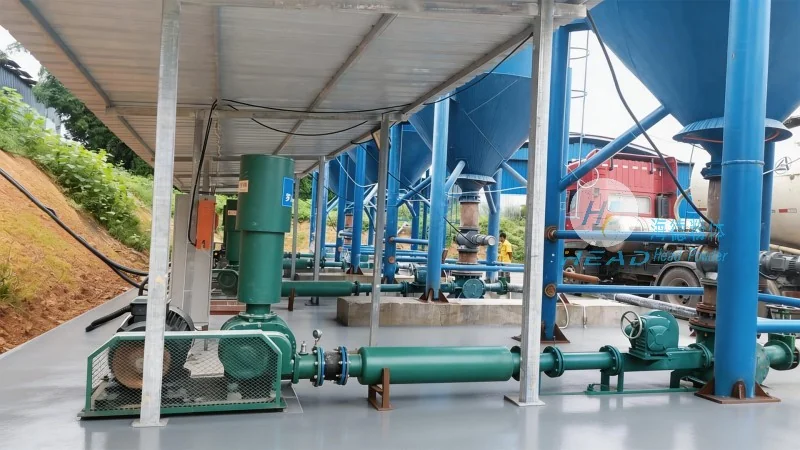
Third, the design must incorporate proper material handling components. This includes feeders, such as rotary valves or star feeders, which control the flow of potassium carbonate into the conveying line. The conveying line itself is typically made of materials resistant to corrosion and abrasion, such as stainless steel or special alloys, to withstand the chemical and physical stresses of potassium carbonate. Additionally, the system may include filters and cyclones to separate air from the material at the discharge point, ensuring clean material handling and preventing dust contamination.
Key Components and Their Roles in the System
Several key components are integral to the operation of a potassium carbonate pneumatic conveying system. The material feed hopper is responsible for storing and feeding the potassium carbonate into the system. It is designed to maintain a consistent flow rate and prevent material bridging or clogging, which can disrupt the conveying process. The feeder, often a rotary valve or a star feeder, regulates the amount of material entering the conveying line, ensuring smooth and controlled transport.
The conveying line is the main pathway for the material and air mixture. It is typically a rigid pipe with a smooth interior to minimize friction and resistance. The diameter and length of the line are carefully selected based on the material's properties and the required conveying velocity. For potassium carbonate, which may have fine particles, the line diameter is often larger to prevent blockages and ensure efficient flow.
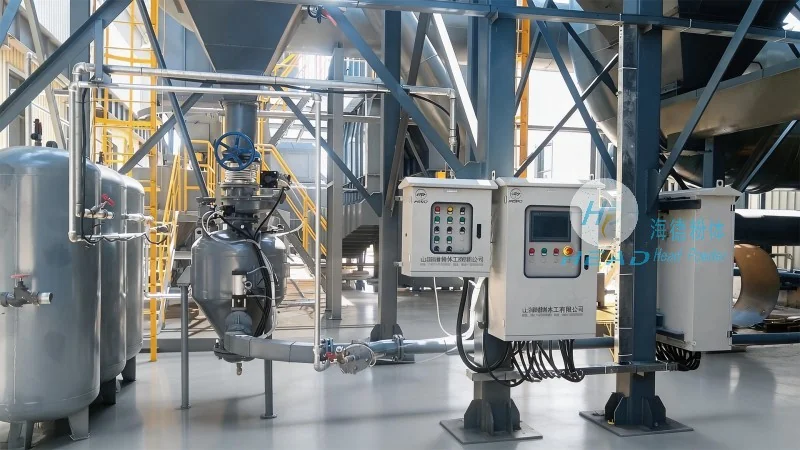
The receiver or discharge point is where the material is collected after being conveyed. It may include a hopper or a storage tank and is equipped with a discharge valve to control the release of the material. In some systems, a cyclone separator is used at the receiver to separate the material from the air stream, improving material recovery and reducing dust emissions. Filters may also be installed to capture any fine particles that escape the cyclone, ensuring compliance with environmental regulations and maintaining a clean working environment.
Benefits of Using Pneumatic Conveying for Potassium Carbonate
Implementing a pneumatic conveying system for potassium carbonate offers several advantages over traditional mechanical conveying methods. One of the primary benefits is the ability to handle the material in a closed system, which reduces dust exposure and improves workplace safety. This is particularly important for potassium carbonate, as fine particles can be inhalable and may cause respiratory issues. The closed system also helps maintain product purity, preventing contamination from external sources.
Another advantage is the flexibility of the system. Pneumatic conveying can be easily integrated into existing industrial processes, allowing for the transport of potassium carbonate between different equipment or locations without the need for extensive reconfiguration. The system can handle varying flow rates and material quantities, making it adaptable to changing production demands.
Energy efficiency is also a key benefit. By optimizing the air velocity and system design, the energy consumption of the pneumatic conveying system can be minimized. This not only reduces operational costs but also contributes to environmental sustainability. Additionally, the system can be designed to recover and reuse the conveying air, further improving energy efficiency and reducing waste.




