Silicon carbide (SiC) is a high-performance ceramic material widely used in various industrial applications due to its exceptional hardness, thermal stability, and chemical resistance. When it comes to handling SiC powder or granules, pneumatic conveying systems offer a reliable and efficient method for material transport. This article explores the fundamental concepts of silicon carbide pneumatic conveying and outlines the key design principles that ensure optimal performance and longevity of the system.

The Core Components of a Silicon Carbide Pneumatic Conveying System
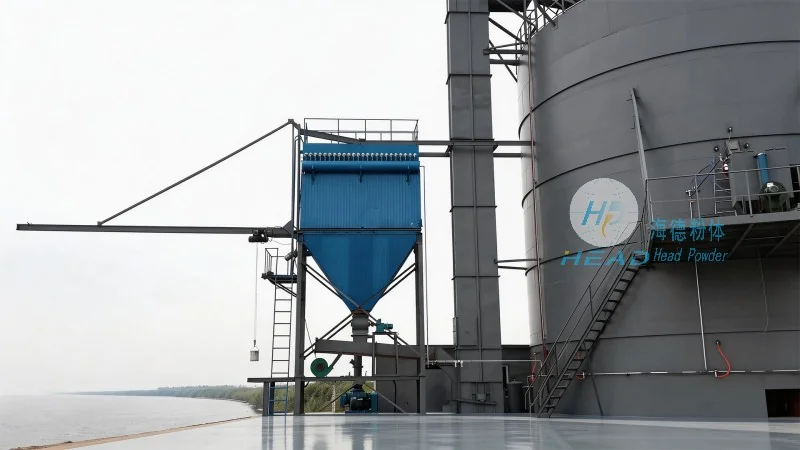
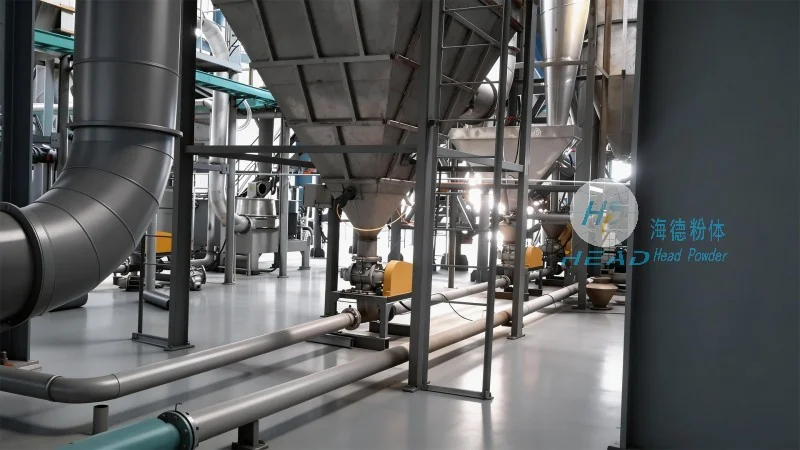
A typical silicon carbide pneumatic conveying system consists of several critical components that work in unison to transport the material. The primary components include a material feeder, which accurately meters the SiC feed rate; a conveying line, usually made of stainless steel or other corrosion-resistant materials to withstand the abrasive nature of SiC particles; a venturi or pressure drop device that creates the necessary airflow; a separator, such as a cyclone or bag filter, to separate the material from the air stream; and a fan or blower that provides the required air pressure and volume. Each component must be carefully selected and sized to handle the specific characteristics of silicon carbide, including its particle size distribution, density, and flowability.
Design Principles for Efficient Silicon Carbide Conveying
The design of a silicon carbide pneumatic conveying system is governed by several fundamental principles aimed at maximizing efficiency, minimizing wear, and ensuring safe operation. One of the most critical factors is maintaining a consistent air velocity within the conveying line. The air velocity must be high enough to prevent particle settling but low enough to avoid excessive wear on the system components. For SiC, which is a very abrasive material, the design typically involves higher air velocities compared to less abrasive powders to ensure reliable transport. Additionally, the system pressure is carefully controlled to balance the need for sufficient energy to move the material against the risk of excessive pressure that could damage the equipment or cause material degradation.
Key Considerations in System Design
When designing a silicon carbide pneumatic conveying system, engineers must consider several variables that impact performance. The particle size and shape of the SiC material are crucial, as finer particles tend to create more friction and require higher air velocities. The system's layout, including the length and elevation changes of the conveying line, also affects the required pressure and energy consumption. Material compatibility is another key factor, as SiC's hardness necessitates the use of wear-resistant materials for components like the feeder, valve, and separator. Regular maintenance and monitoring are essential to prevent wear and ensure the system operates within its design parameters. Proper filtration is also critical to protect downstream equipment from SiC dust and to comply with environmental regulations.
About HeadPowder Engineering Co., Ltd.
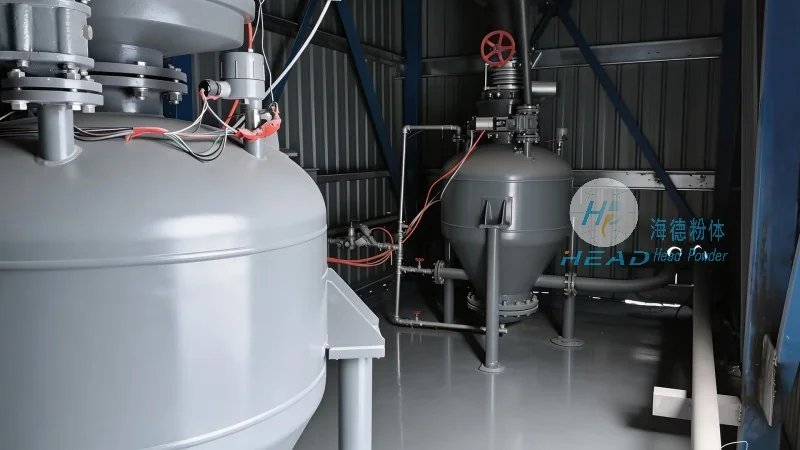
HeadPowder Engineering Co., Ltd., a leading provider of material handling solutions based in Shandong, China, specializes in designing and manufacturing advanced pneumatic conveying systems for high-performance materials like silicon carbide. With years of experience in the industry, HeadPowder leverages its expertise to develop customized solutions that meet the unique demands of each application. The company's commitment to quality and innovation ensures that its systems are reliable, efficient, and built to last, providing customers with a cost-effective and sustainable material transport solution.




