Rare earth crystal powders are widely used in various industrial applications due to their unique properties and applications in electronics, ceramics, and other high-tech sectors. The efficient and reliable transportation of these fine powders is crucial for maintaining production quality and operational efficiency. Pneumatic conveying systems have emerged as a preferred method for handling such materials, offering advantages over traditional bulk handling methods. This article explores the key components that constitute a typical rare earth crystal powder pneumatic conveying system, highlighting the role of each element in ensuring optimal performance and safety.
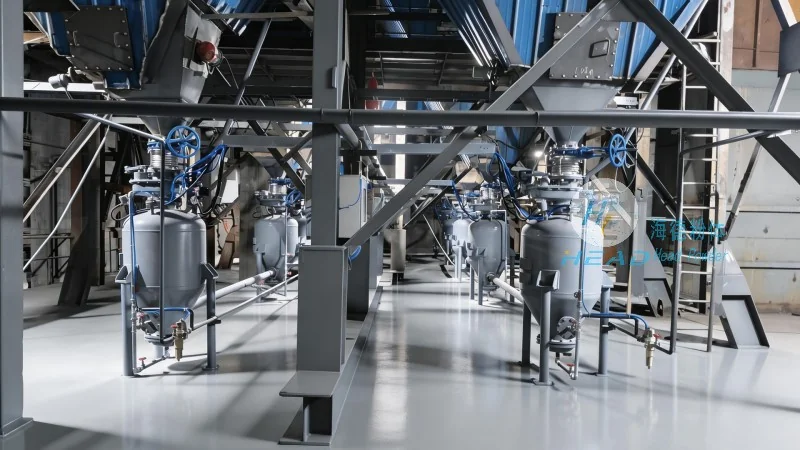
Core Components of Rare Earth Crystal Powder Pneumatic Conveying
The pneumatic conveying system for rare earth crystal powders typically consists of several essential components, each playing a vital role in the material's transport process. The primary components include the material feed system, the conveying line, the air supply system, and the control and monitoring equipment. Each component is designed to work in harmony to ensure the smooth and safe movement of the powder from the source to the destination.
Material Feed System
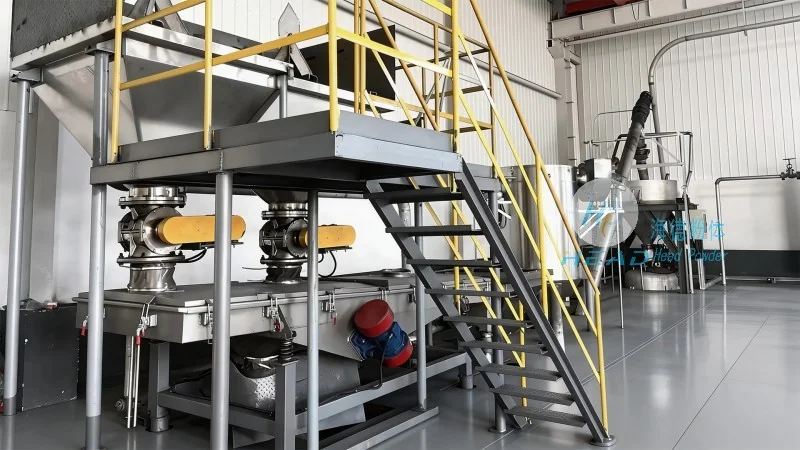
The material feed system is the starting point of the pneumatic conveying process. It is responsible for introducing the rare earth crystal powder into the conveying line. This system usually includes a hopper or a silo that stores the powder, a feeder (such as a rotary valve or a screw feeder) that controls the flow rate of the material, and a pre-filter or a dust collector to prevent the release of fine particles into the environment. The feeder is critical as it regulates the amount of powder entering the system, ensuring a consistent flow rate that matches the air velocity in the conveying line. This consistency is essential to prevent blockages or uneven material distribution, which could lead to system inefficiencies or equipment damage.
Conveying Line and Pipeline Design
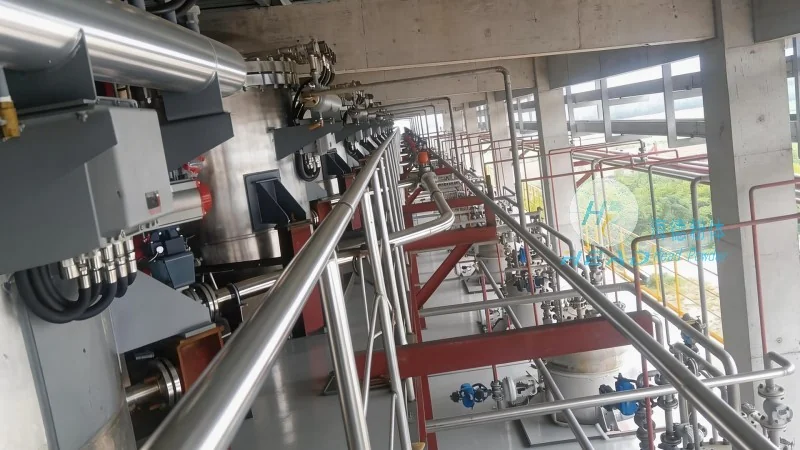
The conveying line, often made of stainless steel or other corrosion-resistant materials, is the pathway through which the powder and air travel. The design of the pipeline is crucial for maintaining the integrity of the material and the efficiency of the system. The line is typically divided into horizontal and vertical sections, with bends and elbows that are carefully designed to minimize pressure loss and prevent particle separation. The diameter of the pipeline is selected based on the material's properties, such as particle size, density, and flowability, as well as the required conveying capacity. Proper pipeline design ensures that the powder remains suspended in the air stream, preventing settling or clogging, which could disrupt the entire conveying process.
Air Supply System
The air supply system provides the necessary pressure and volume of air to transport the rare earth crystal powder. This system includes a blower or a compressor, which generates the required air flow, and a filter system to remove contaminants from the air. The air is then directed into the conveying line, where it creates a flow that lifts and moves the powder particles. The air velocity in the line must be sufficient to keep the powder in suspension but not so high as to cause excessive wear on the equipment or energy waste. The blower's capacity and pressure are carefully matched to the system's requirements to ensure optimal performance and energy efficiency.
Control and Monitoring Equipment
Control and monitoring equipment are essential for maintaining the stability and safety of the pneumatic conveying system. This includes pressure sensors, flow meters, and control valves that regulate the air pressure and flow rate. These devices provide real-time data on the system's performance, allowing operators to detect and address any issues promptly. Additionally, safety devices such as pressure relief valves and explosion-proof components are integrated into the system to prevent accidents and ensure compliance with safety regulations. The control system may also include automation features that adjust the feeder speed or air flow based on the material level or pressure changes, enhancing the system's adaptability and efficiency.
Additional Components and Considerations
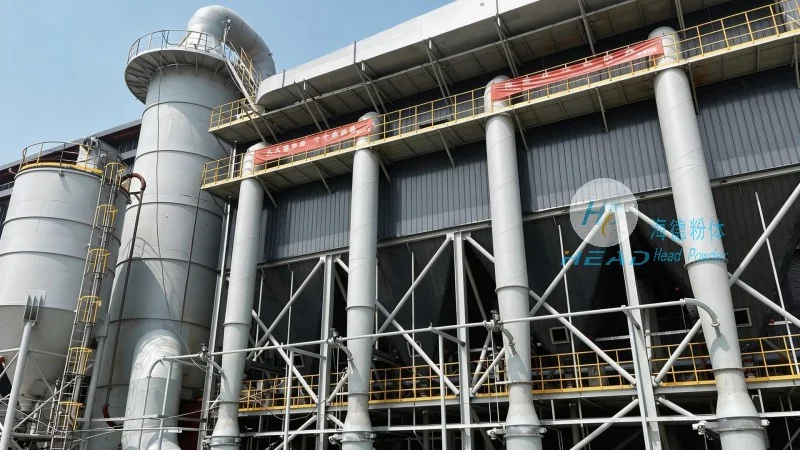
Beyond the core components, a pneumatic conveying system for rare earth crystal powders may include additional elements to enhance its functionality. These can include a receiver or a discharge hopper at the end of the line, which collects the conveyed powder, and a dust collection system to capture any particles that may escape. The system may also incorporate cleaning mechanisms, such as pulse jets or rotary brushes, to maintain the cleanliness of the pipeline and prevent material buildup. Environmental considerations are also important, as the system is designed to minimize dust emissions and comply with environmental regulations. The choice of materials for the components, such as stainless steel or special alloys, is critical to resist corrosion and maintain the purity of the rare earth crystal powder, which is essential for its downstream applications.




