When it comes to handling bamboo powder, selecting the right pneumatic conveying system is crucial for efficiency and cost-effectiveness. The two primary types of systems are positive pressure and negative pressure, each with distinct characteristics and applications. Understanding the differences between these two approaches is essential for making an informed decision that aligns with your operational needs. This article, brought to you by Shandong HeadPowder Engineering Co., Ltd., will explore the key aspects of both positive and negative pressure pneumatic conveying for bamboo powder, helping you determine which option is best suited for your specific requirements.
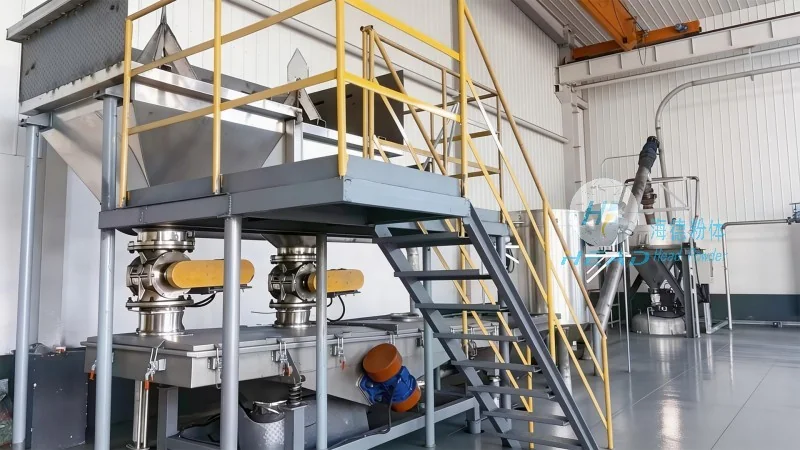
Understanding Pneumatic Conveying Systems
Pneumatic conveying is a method of transporting bulk materials like bamboo powder through a pipeline using air or gas. The system operates by creating a pressure differential to move the material from the source to the destination. The choice between positive and negative pressure systems depends on factors such as material properties, distance, and system complexity. Both methods have their advantages and limitations, and the right selection can significantly impact the overall performance and maintenance of the conveying system.
Positive Pressure Pneumatic Conveying
Positive pressure systems operate by blowing air or gas into the conveying line, creating a pressure higher than the ambient air pressure. This method is often preferred for transporting materials that are abrasive, dusty, or have a high moisture content, as it can handle more challenging conditions. The pressurized air pushes the bamboo powder through the pipeline, ensuring consistent flow and preventing material buildup. Positive pressure systems are typically more suitable for short to medium-distance conveying, as the pressure drop over longer distances can become significant, requiring more powerful blowers and higher energy consumption.
One of the key advantages of positive pressure systems is their ability to handle a wide range of materials, including those that are difficult to convey with negative pressure. They are also more effective in preventing contamination from external air, as the system is sealed and pressurized. However, these systems may require more maintenance due to the higher stress on components like blowers and pipelines. The initial investment for positive pressure systems can be higher compared to negative pressure systems, but the operational costs may be lower in the long run due to reduced downtime and material loss.
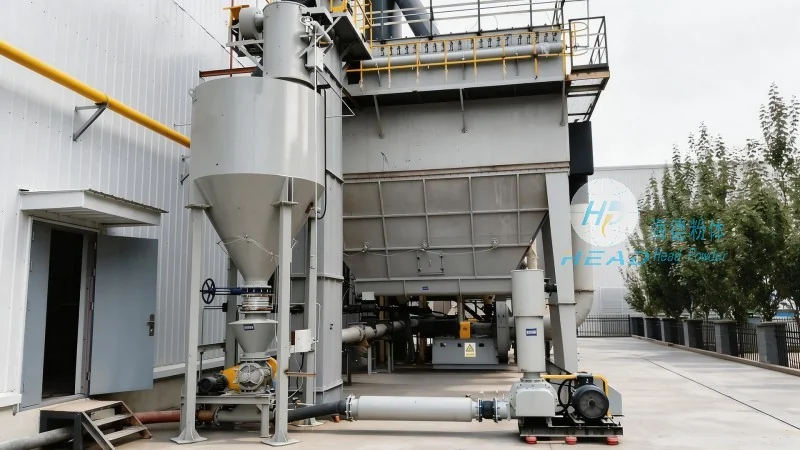
Negative Pressure Pneumatic Conveying
Negative pressure systems, also known as vacuum systems, operate by creating a vacuum in the conveying line, which draws the bamboo powder into the pipeline. This method is ideal for applications where the material needs to be transported from a source to a destination that is at a higher elevation or requires a cleaner environment. Negative pressure systems are often used for longer distances and in applications where dust control is a priority, as the vacuum helps to contain particles and prevent emissions. The vacuum is created by a suction fan or blower, which pulls the material through the pipeline.
One of the main benefits of negative pressure systems is their lower initial cost compared to positive pressure systems. They are also more energy-efficient for longer distances, as the vacuum can be maintained over greater lengths without significant pressure drop. However, negative pressure systems may be less effective for handling abrasive or dusty materials, as the vacuum can cause material to stick to the pipeline walls, leading to blockages. Additionally, the system is more susceptible to external air infiltration, which can affect the quality of the conveyed material and increase maintenance needs.
Distinguishing Between Positive and Negative Pressure Systems for Bamboo Powder
When deciding between positive and negative pressure pneumatic conveying for bamboo powder, several factors should be considered. First, the physical properties of the bamboo powder, such as particle size, moisture content, and dustiness, play a critical role. For example, if the powder is fine and has a high moisture content, a positive pressure system may be more suitable due to its ability to handle abrasive materials and maintain consistent flow. Conversely, if the powder is more cohesive or requires a cleaner environment, a negative pressure system might be preferred to minimize dust emissions.
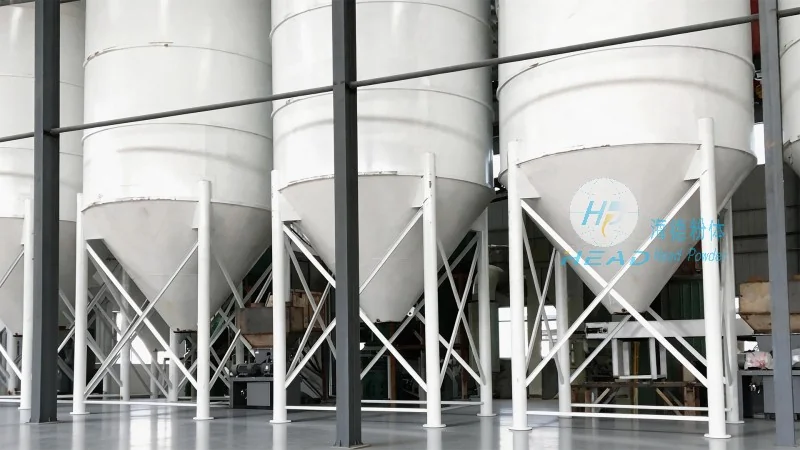
Second, the distance and elevation changes between the source and destination are important considerations. Positive pressure systems are generally better for short to medium distances, as the pressure drop is manageable with appropriate equipment. Negative pressure systems are more suitable for longer distances or when the destination is at a higher elevation, as the vacuum can be maintained over greater lengths with less energy consumption.
Third, the operational environment and safety requirements should be evaluated. Positive pressure systems are often preferred in environments where dust control is critical, as the sealed system prevents external air from entering. Negative pressure systems, while less expensive, may require additional filtration to prevent dust from escaping into the workplace. The choice also depends on the available space and infrastructure, as positive pressure systems may require more space for the blower and pipeline layout.
Conclusion
Choosing between positive and negative pressure pneumatic conveying for bamboo powder requires a careful assessment of material properties, operational needs, and cost considerations. Positive pressure systems offer robustness and efficiency for handling challenging materials, while negative pressure systems provide cost-effectiveness and energy efficiency for longer distances. By understanding the characteristics of each system and evaluating your specific requirements, you can select the most appropriate pneumatic conveying solution for your bamboo powder handling needs. Whether you opt for a positive or negative pressure system, the key is to ensure that the chosen method aligns with your production goals and operational constraints, ultimately leading to improved efficiency and reduced costs in your bamboo powder processing operations.




