For manufacturers and suppliers in the battery material industry, efficient material handling is crucial to production efficiency and product quality. Pneumatic conveying systems are widely used for transporting positive and negative electrode materials, which require precise control and reliable equipment. This article explores the key components that make up a pneumatic conveying system for positive and negative electrode materials, highlighting the expertise of Shandong HeadPowder Engineering Co., Ltd. (commonly known as HeadPowder) in this field.
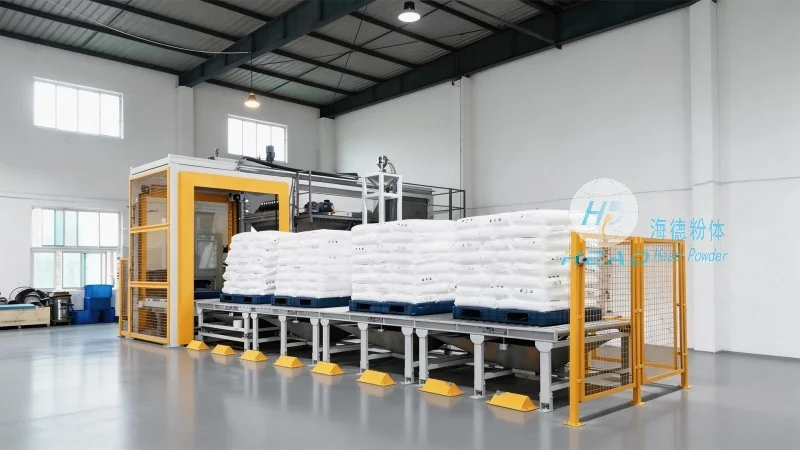
System Components Overview
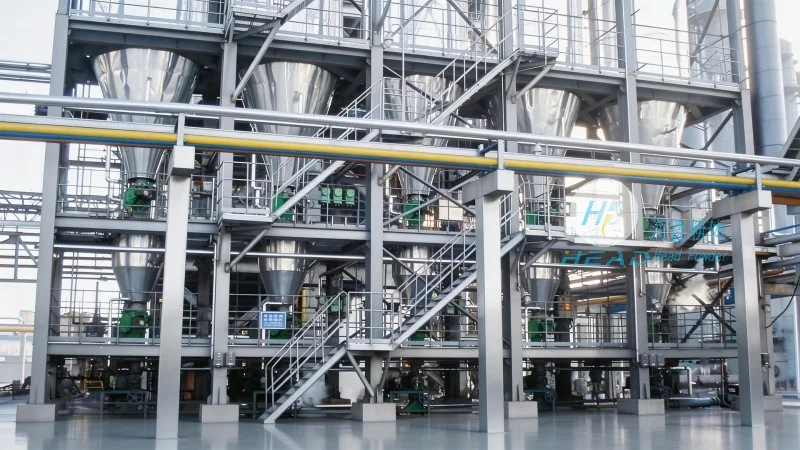
A pneumatic conveying system for positive and negative electrode materials typically consists of several core components working in tandem to ensure smooth material transport. The primary components include the material feed system, conveying pipeline, air supply unit, and material separation and recovery system. Each component plays a vital role in maintaining the integrity and efficiency of the conveying process.
Material Feed System
The material feed system is the entry point for the positive and negative electrode powders. It is designed to handle various powder types, such as lithium cobalt oxide (LiCoO₂) for positive electrodes and graphite or nickel manganese cobalt oxide (NMC) for negative electrodes. The feed system may include hoppers, feeders (e.g., screw feeders or rotary valves), and dust collection equipment to prevent material loss and ensure consistent feed rates. Proper design of the feed system is essential to avoid blockages and maintain stable material flow into the conveying pipeline.
Conveying Pipeline
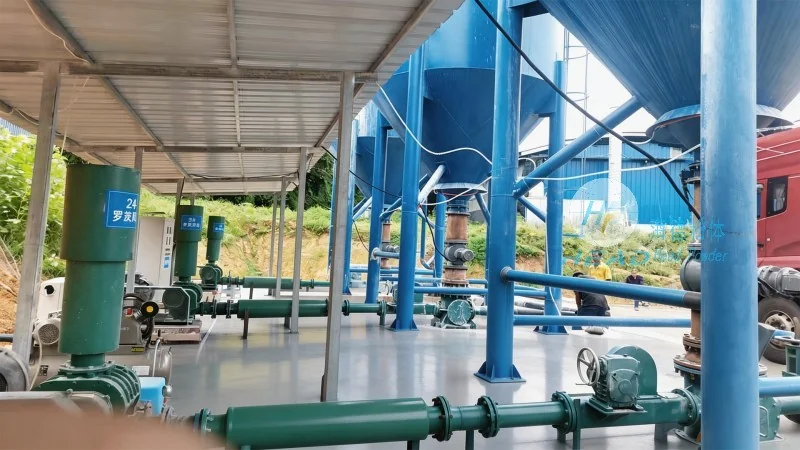
The conveying pipeline is the main channel through which the electrode materials are transported. It can be made of stainless steel or other corrosion-resistant materials to withstand the chemical properties of the powders. The pipeline design, including the diameter, length, and bends, directly impacts the conveying efficiency and pressure drop. HeadPowder specializes in designing pipelines that minimize friction and pressure loss, ensuring that the material reaches the destination without degradation or loss of quality.
Air Supply Unit
The air supply unit provides the necessary air pressure and flow rate to move the powders through the pipeline. It typically includes a blower or compressor, air filters, and pressure regulators. The air quality is critical, as contaminants can affect the purity of the electrode materials. HeadPowder’s systems incorporate high-efficiency filters to ensure that the air used for conveying is clean and free from particles that could damage the powders or the equipment.
Material Separation and Recovery System
At the end of the conveying process, the material separation and recovery system is responsible for separating the conveyed powder from the air and returning it to the process. This system may include cyclones, bag filters, or electrostatic precipitators. The recovered material is then fed back into the production line, reducing waste and improving overall material utilization. The design of this system is crucial for maintaining material purity and preventing environmental contamination.
Control System
Modern pneumatic conveying systems for electrode materials are equipped with advanced control systems that monitor and regulate various parameters, such as pressure, flow rate, and material level. These systems use sensors and automation technology to ensure that the conveying process operates within optimal parameters. HeadPowder integrates sophisticated control solutions that enhance process stability, reduce downtime, and improve overall operational efficiency.
Maintenance and Operational Considerations
Proper maintenance is essential to ensure the long-term performance and reliability of a pneumatic conveying system. Regular cleaning of the pipeline, inspection of components, and replacement of worn parts are necessary to prevent system failures. HeadPowder provides comprehensive maintenance services and technical support to help clients maintain their systems in optimal condition. By adhering to recommended maintenance schedules, manufacturers can extend the lifespan of their equipment and minimize production disruptions.
Conclusion
Pneumatic conveying systems for positive and negative electrode materials are complex but essential components of modern battery material production. The key components, including the feed system, conveying pipeline, air supply unit, separation system, and control system, work together to ensure efficient and reliable material transport. Shandong HeadPowder Engineering Co., Ltd. specializes in designing and manufacturing high-quality pneumatic conveying systems tailored to the specific needs of the battery industry. With their expertise in material handling and process optimization, HeadPowder helps manufacturers improve production efficiency, maintain product quality, and reduce operational costs.




