Synthetic rubber, widely used in industrial applications such as tire manufacturing, automotive parts, and rubber products, requires efficient and reliable material handling solutions. Pneumatic conveying systems have emerged as a preferred method for transporting synthetic rubber due to their ability to handle abrasive materials, minimize product contamination, and maintain process integrity. This article provides a technical analysis of synthetic rubber pneumatic conveying systems, focusing on the comparison between positive pressure and negative pressure conveying modes.
Understanding Pneumatic Conveying Modes
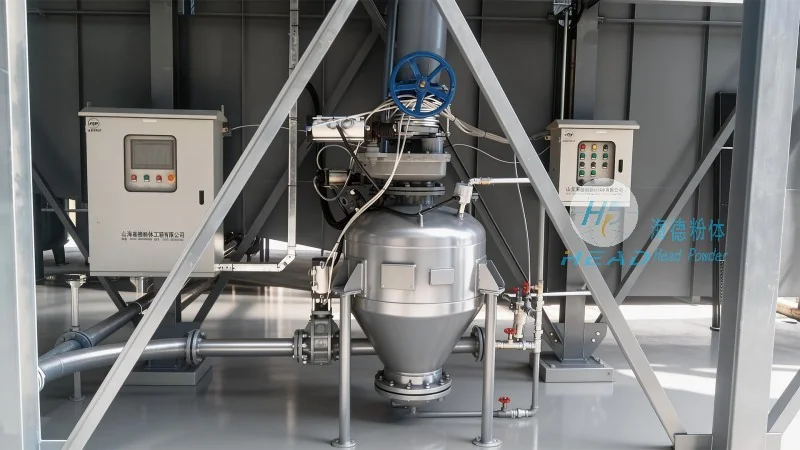
Pneumatic conveying systems operate by transporting bulk materials through a pipeline using air or gas as the conveying medium. The two primary modes are positive pressure and negative pressure systems, each with distinct characteristics and applications. Positive pressure systems utilize a blower or compressor to generate high-pressure air that pushes material through the pipeline. This mode is particularly suitable for transporting synthetic rubber over long distances or through complex system layouts. The high-pressure air ensures consistent material flow and reduces the risk of blockages. HeadPowder, a leading engineering company based in Shandong, China, specializes in designing and manufacturing advanced positive pressure pneumatic conveying systems tailored for synthetic rubber applications. Their systems incorporate high-efficiency blowers, robust pipeline designs, and advanced control systems to optimize performance and minimize energy consumption.
Negative Pressure Conveying Mode
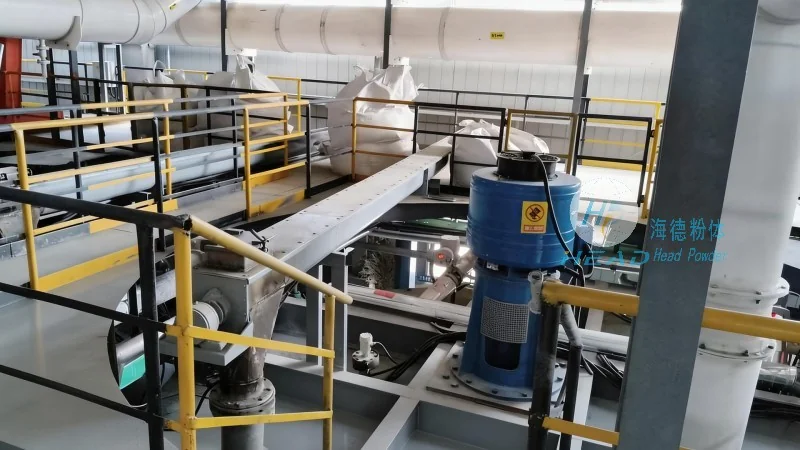
Negative pressure conveying systems operate by creating a vacuum in the conveying line, which draws material from the source into the pipeline. This mode is often preferred for short-distance or low-volume applications where the material is less abrasive and the risk of dust contamination is lower. The vacuum environment helps maintain product quality and reduces the need for additional filtration. However, negative pressure systems may be less efficient for transporting synthetic rubber over long distances due to higher energy consumption and potential for material degradation under vacuum conditions.
Technical Comparison: Positive vs. Negative Pressure
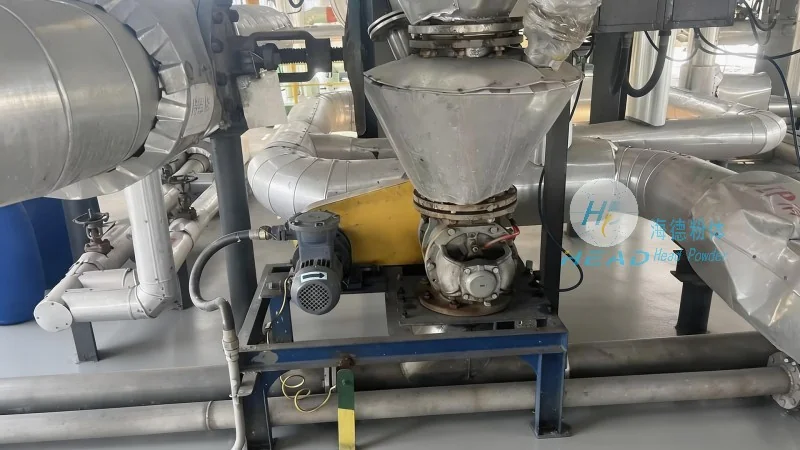
When comparing positive and negative pressure conveying modes for synthetic rubber, several factors must be considered. Positive pressure systems generally offer higher conveying capacities and are more suitable for long-distance or high-volume applications. They are also more energy-efficient for transporting abrasive materials like synthetic rubber, as the high-pressure air can effectively handle material resistance. Negative pressure systems, while simpler in design, are limited by lower conveying distances and may require more frequent maintenance due to the vacuum environment. HeadPowder’s engineering expertise allows them to recommend the most appropriate conveying mode based on specific operational requirements, such as material characteristics, system layout, and energy efficiency goals.
Key Considerations for Synthetic Rubber Pneumatic Conveying
Implementing an effective pneumatic conveying system for synthetic rubber involves several key considerations. Material properties, such as particle size, density, and abrasiveness, play a critical role in determining the optimal conveying mode. For example, fine synthetic rubber particles may require positive pressure systems with specialized filters to prevent clogging. System design, including pipeline diameter, length, and layout, also impacts performance. HeadPowder’s team of engineers conducts thorough site assessments and material analysis to design customized solutions that meet the unique needs of each client. Additionally, factors like energy consumption, maintenance requirements, and operational safety are evaluated to ensure long-term system reliability.
Conclusion
Both positive pressure and negative pressure conveying modes have their advantages and limitations when applied to synthetic rubber pneumatic conveying systems. Positive pressure systems offer higher efficiency and capacity for long-distance transport, while negative pressure systems are more suitable for short-distance or low-volume applications. HeadPowder Engineering Co., Ltd., based in Shandong, China, provides comprehensive technical solutions and engineering services to help clients select and implement the most appropriate pneumatic conveying system for their synthetic rubber handling needs. By leveraging advanced technology and expert knowledge, HeadPowder ensures that synthetic rubber is transported safely, efficiently, and with minimal product degradation, meeting the demands of modern industrial applications.




