Slurry pneumatic conveying is a critical process in industries dealing with bulk materials, especially those containing solids suspended in liquids. The choice between positive pressure and negative pressure systems is a fundamental decision that impacts efficiency, cost, and operational safety. Understanding the distinctions between these two approaches is essential for selecting the most suitable solution for specific applications.
Understanding the Basics of Pneumatic Conveying
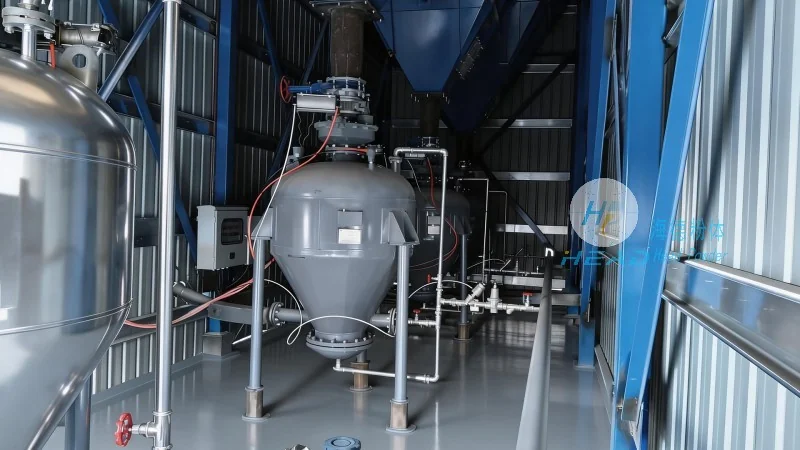
Pneumatic conveying systems transport materials using air or gas as the medium. The primary difference between positive and negative pressure systems lies in the pressure differential maintained within the system. Positive pressure systems operate with air pressure higher than ambient, while negative pressure systems operate with lower pressure than ambient. This fundamental difference dictates the design, performance, and suitability of each system for handling slurry materials.
Positive Pressure Pneumatic Conveying
Positive pressure systems, also known as pressure conveying, are commonly used for transporting materials over longer distances or through complex network layouts. In this system, air is compressed and introduced into the conveying line at a pressure higher than the surrounding environment. The material is then drawn into the system and carried along by the pressurized air. This method is particularly effective for applications requiring high material throughput and the ability to handle abrasive or corrosive materials.
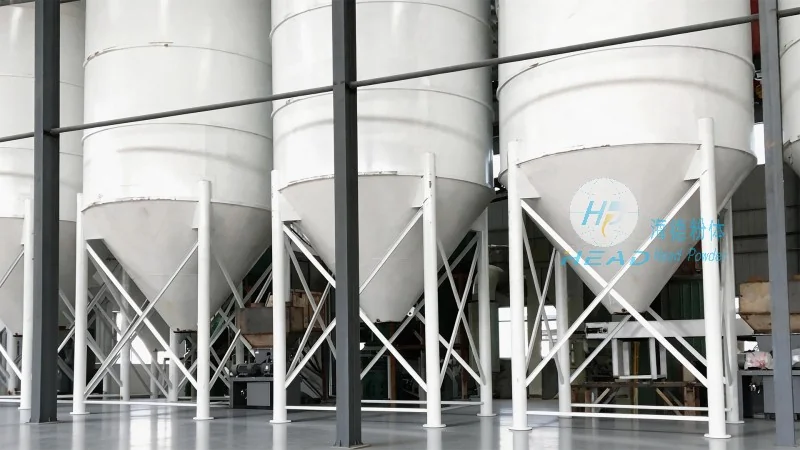
For slurry applications, positive pressure systems offer several advantages. They can handle high concentrations of solids, making them ideal for transporting materials like fly ash, cement slurry, or mining tailings. The pressurized environment also helps in maintaining the integrity of the slurry, reducing the risk of clogging or degradation. However, positive pressure systems require robust equipment, including high-pressure blowers and sealed pipelines, which can increase initial capital costs and maintenance requirements.
Negative Pressure Pneumatic Conveying
Negative pressure systems, or vacuum conveying, operate by creating a lower pressure zone within the system compared to the ambient air. The material is drawn into the system through a vacuum created by a vacuum pump or fan. This method is typically used for shorter conveying distances and for materials that are more sensitive to pressure changes or for applications where the material source is located at a higher elevation than the destination.
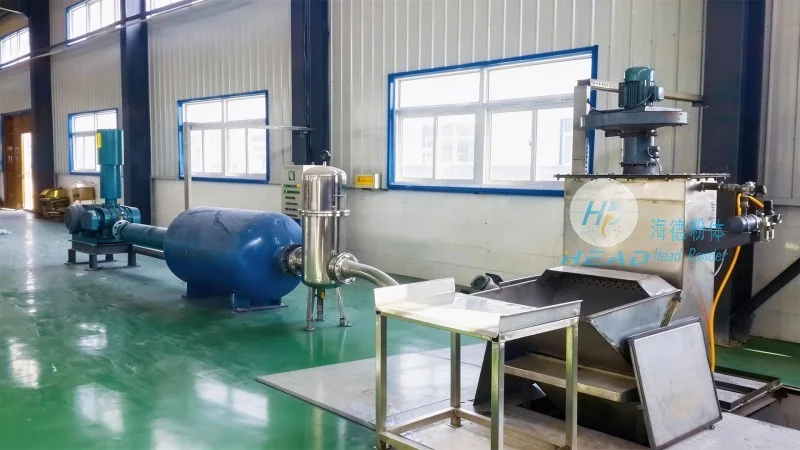
In slurry applications, negative pressure systems are often preferred for handling materials that are more fluid or have lower solids content. They are effective for transporting materials like fine powders suspended in water or for cleaning operations where the goal is to remove contaminants from a specific area. The vacuum system allows for gentle material handling, reducing the risk of particle breakage or agglomeration. However, negative pressure systems may have limitations in terms of conveying distance and material throughput compared to positive pressure systems.
Distinguishing Factors Between Positive and Negative Pressure Systems
Several key factors help in differentiating between positive and negative pressure pneumatic conveying systems for slurry applications:
- Conveying Distance and Layout: Positive pressure systems are better suited for longer distances and complex layouts due to their ability to maintain pressure throughout the system. Negative pressure systems are more suitable for shorter distances and simpler layouts.
- Material Characteristics: The type and concentration of slurry materials play a crucial role. High-concentration slurries with abrasive particles are often better handled by positive pressure systems, while more fluid or fine slurries may be more effectively conveyed using negative pressure.
- Energy Consumption: Positive pressure systems generally consume more energy due to the need to compress air, whereas negative pressure systems may have lower energy requirements but can be less efficient over longer distances.
- Equipment and Maintenance: Positive pressure systems require high-pressure blowers and sealed pipelines, which can be more expensive to install and maintain. Negative pressure systems use vacuum pumps and may have lower maintenance costs but can be more prone to air leaks and system failures.
Application Examples in Slurry Handling
Real-world applications illustrate the practical differences between the two systems. For instance, in the cement industry, positive pressure systems are commonly used to transport cement slurry from storage silos to mixing plants over distances of several hundred meters. The high pressure ensures that the slurry remains fluid and free from clogs. In contrast, negative pressure systems may be used in mining operations to clean out tailings ponds or to transport fine tailings from a processing plant to a disposal site over shorter distances.
Choosing the Right System for Your Needs
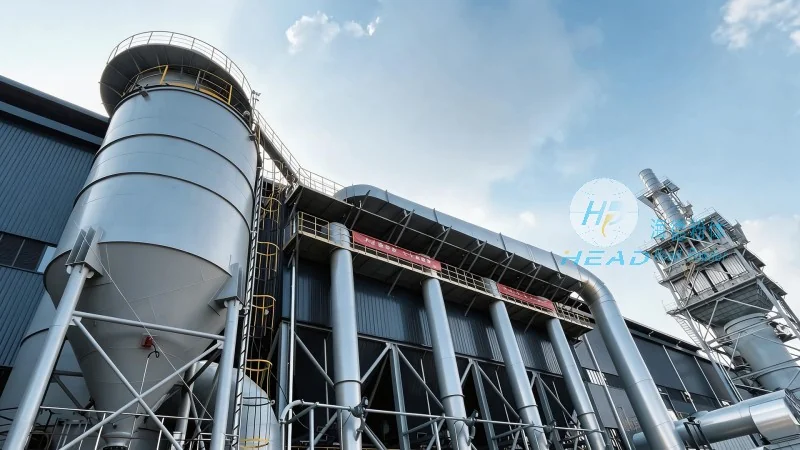
When selecting between positive and negative pressure pneumatic conveying systems for slurry applications, it is essential to consider the specific requirements of the operation. Factors such as the distance to be covered, the type and concentration of the slurry, the desired throughput, and the available budget all influence the decision. Consulting with experts in the field, such as Shandong HeadPowder Engineering Co., Ltd., can provide valuable insights into the most suitable system for a particular application.
Shandong HeadPowder Engineering Co., Ltd., a leading provider of pneumatic conveying solutions, offers comprehensive expertise in designing and implementing both positive and negative pressure systems tailored to the unique needs of slurry handling operations. With a focus on efficiency, reliability, and cost-effectiveness, their solutions help industries optimize material transport processes and improve overall operational performance.




