When considering the transportation of expanded vermiculite, understanding the differences between positive and negative pressure pneumatic conveying systems is crucial for selecting the most efficient and cost-effective solution. Expanded vermiculite, a lightweight, insulating material, is widely used in construction and industrial applications, making its reliable and efficient transport a key operational concern. This article provides a detailed analysis of the two primary pneumatic conveying modes—positive pressure and negative pressure—highlighting their operational principles, advantages, and practical applications.
Positive Pressure Pneumatic Conveying Systems
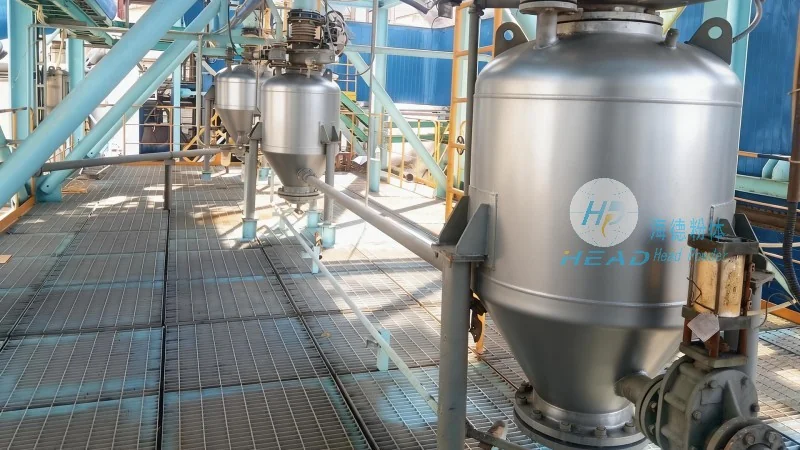
Positive pressure systems operate by blowing air or a gas mixture into the conveying line, creating a pressure higher than the ambient air pressure. This method is particularly effective for transporting bulk materials like expanded vermiculite over longer distances or through complex piping networks. The primary advantage of positive pressure systems is their ability to handle a wide range of material characteristics, including abrasive or dusty materials, without significant wear on the system components. Additionally, positive pressure systems can maintain a consistent flow rate, ensuring stable material delivery to the destination. However, they require robust sealing and filtration systems to prevent dust emissions and maintain air quality, which can increase operational costs. The company, Shandong HeadPowder Engineering Co., Ltd., specializes in designing and manufacturing advanced positive pressure conveying solutions tailored to the unique needs of expanded vermiculite applications.
Negative Pressure Pneumatic Conveying Systems
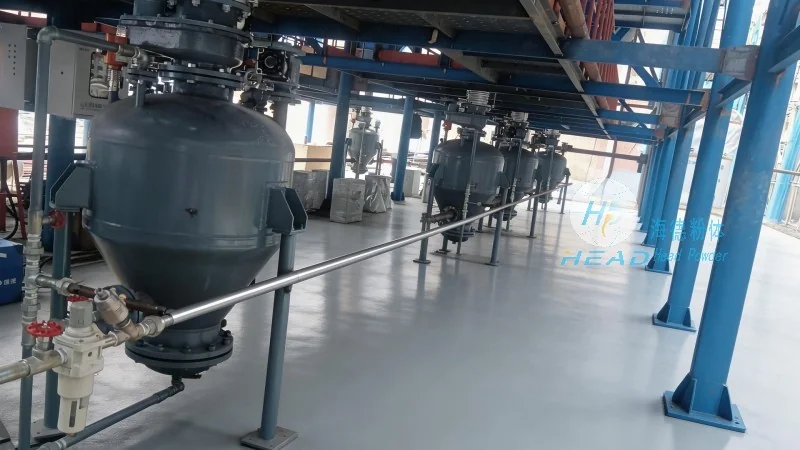
Negative pressure systems, also known as vacuum or suction systems, operate by creating a vacuum in the conveying line, drawing material from the source into the system. This mode is often preferred for short-distance transport or when the material needs to be collected from multiple points. The key advantage of negative pressure systems is their lower energy consumption compared to positive pressure systems, as they rely on the vacuum to move material rather than forced air. This can result in reduced operational costs, especially for large-scale operations. However, negative pressure systems are more susceptible to clogging and material degradation, particularly with fine or cohesive materials like expanded vermiculite. They also require careful maintenance to prevent air leaks, which can compromise system efficiency. Shandong HeadPowder Engineering Co., Ltd. offers specialized negative pressure conveying equipment designed to minimize these challenges and ensure reliable material transport.
Key Considerations for Choosing Between Positive and Negative Pressure Modes
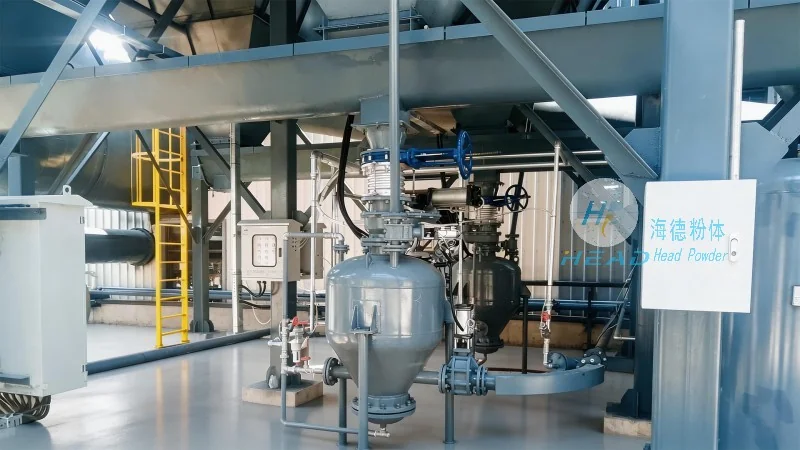
The choice between positive and negative pressure pneumatic conveying systems for expanded vermiculite depends on several factors, including the distance between the source and destination, the material's properties, and the required flow rate. For long-distance transport or when dealing with abrasive materials, positive pressure systems are generally more suitable due to their higher pressure capabilities and robustness. Conversely, for short-distance transport or when energy efficiency is a priority, negative pressure systems may be more appropriate. The company, headpowder, provides comprehensive technical support and system design services to help clients evaluate these factors and select the optimal conveying mode for their specific applications. By leveraging their expertise in expanded vermiculite handling, headpowder ensures that clients achieve efficient, reliable, and cost-effective material transport solutions.
Conclusion
In conclusion, both positive and negative pressure pneumatic conveying systems offer viable options for transporting expanded vermiculite, each with its own set of advantages and considerations. Positive pressure systems excel in long-distance and high-volume applications, while negative pressure systems are better suited for short-distance and energy-efficient operations. The choice ultimately depends on the specific requirements of the application. Shandong HeadPowder Engineering Co., Ltd., as a leading provider of pneumatic conveying solutions, offers tailored systems that address the unique challenges of expanded vermiculite transport, ensuring optimal performance and operational efficiency. By understanding the differences between these modes and leveraging the expertise of companies like headpowder, industries can enhance their material handling processes and achieve greater productivity.




