Grain silo pneumatic conveying is a critical technology in the agricultural and food processing industries, designed to efficiently transport bulk materials like grains, seeds, and other dry commodities within storage facilities. This method utilizes air pressure or vacuum to move materials through a system of pipes and ducts, eliminating the need for mechanical components such as belts or buckets that are common in traditional conveying systems. The technology is widely adopted in modern grain storage and handling operations due to its ability to maintain product integrity, reduce contamination risks, and enhance operational efficiency.
About HeadPowder: A Leading Provider of Pneumatic Conveying Solutions
HeadPowder, the abbreviation for Shandong HeadPowder Engineering Co., Ltd., is a reputable company based in Shandong, China. With years of experience in the engineering and manufacturing of pneumatic conveying systems, HeadPowder specializes in providing customized solutions tailored to the unique needs of grain storage facilities. The company's commitment to quality, innovation, and customer satisfaction has established it as a trusted partner in the industry, delivering reliable and efficient equipment that meets international standards.
Understanding Pneumatic Conveying in Grain Silos
Pneumatic conveying systems for grain silos operate on the principle of using air to transport materials. There are two primary types: pressure and vacuum systems. Pressure systems use compressed air to push material through the pipeline, while vacuum systems create a negative pressure to draw material into the system. The choice between these systems depends on factors such as the distance of material transport, the volume of material to be moved, and the specific characteristics of the grain being handled. Both systems are designed to ensure minimal product degradation, as the materials are kept in a controlled environment during transit.
Key Design Principles for Grain Silo Pneumatic Conveying
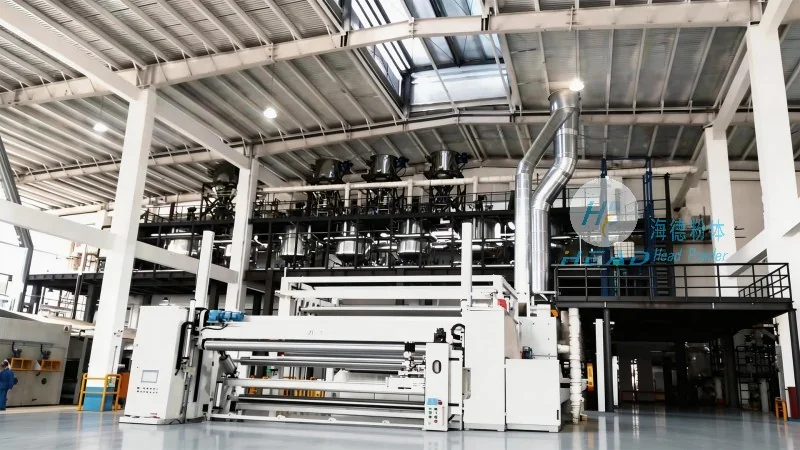
The design of a pneumatic conveying system for grain silos involves several critical principles to ensure optimal performance and reliability. First, the system must be designed to handle the specific properties of the grain, including its density, moisture content, and flowability. This requires careful selection of components such as the hopper, feeder, and pipeline materials to prevent clogging or material degradation. Second, the system must be capable of maintaining consistent air pressure and flow rates to ensure smooth material transport. This is achieved through the use of high-quality air compressors, filters, and control systems that regulate the air flow and pressure. Third, the system must be designed for easy maintenance and cleaning to minimize downtime and ensure long-term operation. This includes features such as easy-to-access components, self-cleaning mechanisms, and durable materials that resist corrosion and wear.
Components and Their Roles in Pneumatic Conveying Systems
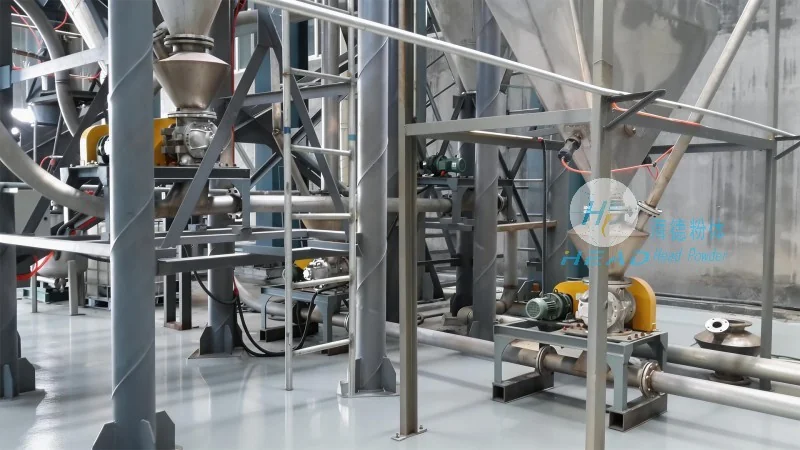
A typical pneumatic conveying system for grain silos consists of several key components, each playing a crucial role in the overall operation. The hopper is the primary container where the grain is stored before being conveyed. It is designed to provide a consistent flow of material to the feeder, which then meters the material into the pipeline. The feeder is responsible for controlling the flow rate of the grain, ensuring that the system operates at an optimal level. The pipeline is the main conduit through which the grain is transported, and it is typically made of durable materials such as stainless steel or plastic to withstand the abrasive nature of the grain. The air compressor is the heart of the system, providing the necessary pressure or vacuum to move the material. It is equipped with filters to remove any contaminants from the air, ensuring that the grain remains clean and free from dust or debris. The control system monitors and regulates the operation of the entire system, ensuring that it operates within safe and efficient parameters.
Advantages of Pneumatic Conveying in Grain Storage
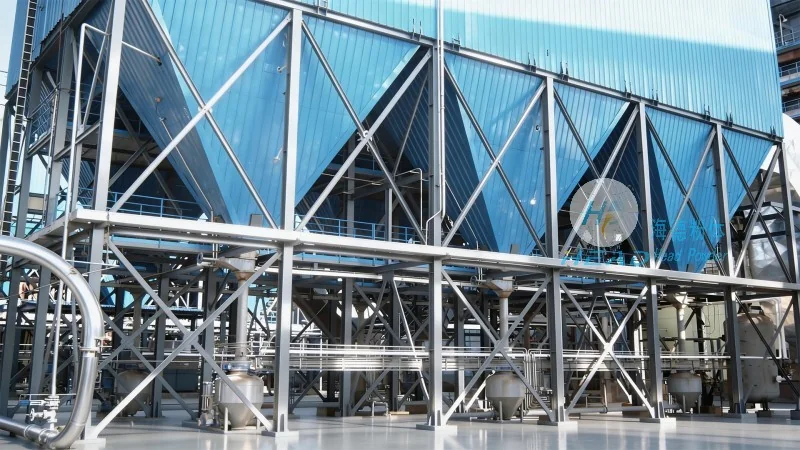
Implementing pneumatic conveying systems in grain silos offers numerous advantages over traditional mechanical conveying methods. One of the most significant benefits is the reduction in labor costs, as the system can operate automatically with minimal human intervention. This not only increases operational efficiency but also reduces the risk of human error. Another advantage is the improved product quality, as the materials are handled gently and kept in a controlled environment, minimizing breakage and contamination. Additionally, pneumatic conveying systems are more flexible and adaptable to changes in production requirements, allowing for easy expansion or modification of the system as needed. The technology also reduces the need for large storage areas, as the grain can be moved quickly and efficiently between different storage locations.
Applications and Industries Using Pneumatic Conveying
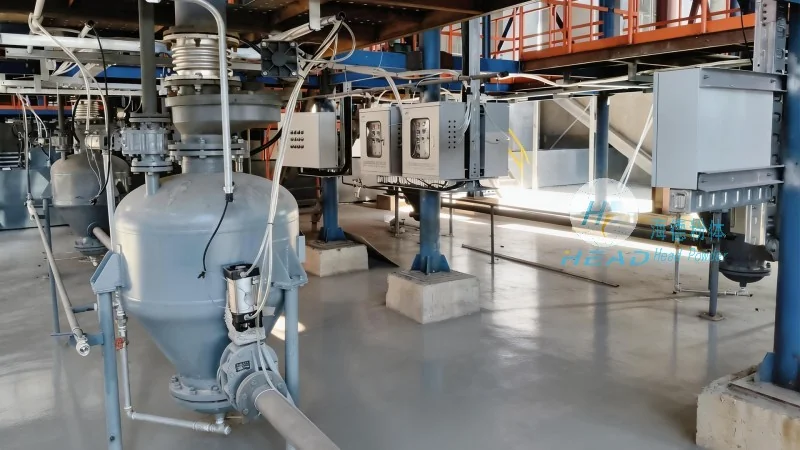
Pneumatic conveying systems are widely used in various industries that handle bulk materials, with grain storage being a primary application. In addition to agricultural operations, these systems are also used in food processing plants, where they are used to transport ingredients such as flour, sugar, and spices. They are also used in pharmaceutical and chemical industries, where the need for clean and contamination-free materials is critical. The versatility of pneumatic conveying systems makes them suitable for a wide range of applications, from small-scale operations to large industrial facilities.
Conclusion: The Importance of Reliable Pneumatic Conveying Solutions
In conclusion, grain silo pneumatic conveying is a vital technology that enhances the efficiency and safety of grain storage and handling operations. The design principles and components of these systems are carefully engineered to ensure optimal performance, reliability, and product quality. Companies like HeadPowder, with their expertise and commitment to quality, play a crucial role in providing these essential solutions to the industry. By investing in reliable pneumatic conveying systems, grain storage facilities can improve their operational efficiency, reduce costs, and ensure the quality of their products, ultimately contributing to the success of their business.




